For all those who’ve been struggling to make heads or tails of the Czech character, this might come in handy.
The “Czechs 2026” study by the Solvo Institute, a Prague-based think tank, sought to identify the most widespread personality traits among Czechs, along with their fears, values, and role models.
“We feel it’s important to say who we are, what we want, and what we can expect from one another,” said Slovo Institute founder Ivana Tykač.
Like most attempts to define a national character, the findings offer a broad snapshot rather than a definitive picture. Here’s what the study found.
Introverted, loyal, practical
According to the results of the study, the average Czech is more of an introvert who does not typically stand out and remains traditionally guarded and protective of their privacy.
They tend to be more of a practical person who relies on common sense and doesn’t necessarily enjoy discussing abstract issues and values.
They usually prioritize comfort over elegance and are quite work-oriented.
They love humor and irony to cope with situations and their environment, have an ingrained distrust for authority but can be loyal to a fault and able to rally together when the going gets tough.
Pride and prejudice
National pride is ambivalent: it is neither ostentatious nor permanent; it comes and goes depending on the situation, and most often relates to Czechs’ pride in their culture and history, sports achievements, and the celebrated “golden Czech hands.”
It also cohabits with skepticism about others and difficult interpersonal relationships based on frequent criticism of other people’s behavior, their arrogance, or their sense of indifference.
But they're also self-critical about themselves and admit that while they would like to live as well as possible, they wouldn’t go above and beyond to reach that goal.
They also admit that they complain, criticize and belittle each other too often and that they could overall have nicer words for one another.
Family first
For most Czechs, family is the cardinal value, a pillar of stability and basic unit of trust and relationships, significantly more important than the state for example.
The state’s interference in family matters is, in that view, categorically rejected and frowned upon.
They define themselves, first and foremost, as Czech but do not reject their European identity either.
Opinions about immigrants are strongly polarized and tend to be more positive among more educated people. They mostly resent immigrants who do not follow the rules but on the other hand have a great appreciation for those who learn to speak Czech.
Losing my religion
The average Czech is not religious and does not participate in an organized church.
They are not, strictly speaking, hard-core atheists either, but hold spiritual beliefs of their own outside of the religious institution.
Faith is seen as a personal and intimate matter, and institutionalized churches are perceived as greedy, aggressive and meddling.
What else?
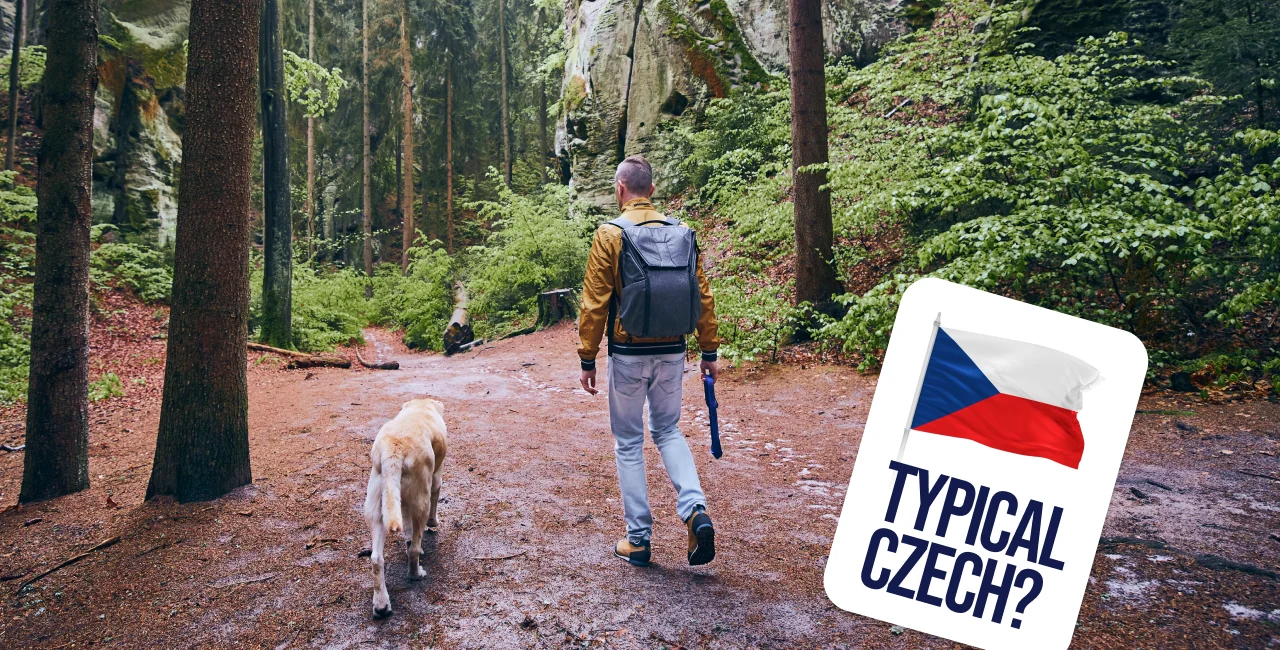
They’re passionate dog and cat lovers, enjoy gardening, like to travel but, at the end of the day, are adamant that “there’s no place like home.”