
 Reading time: 3 minutes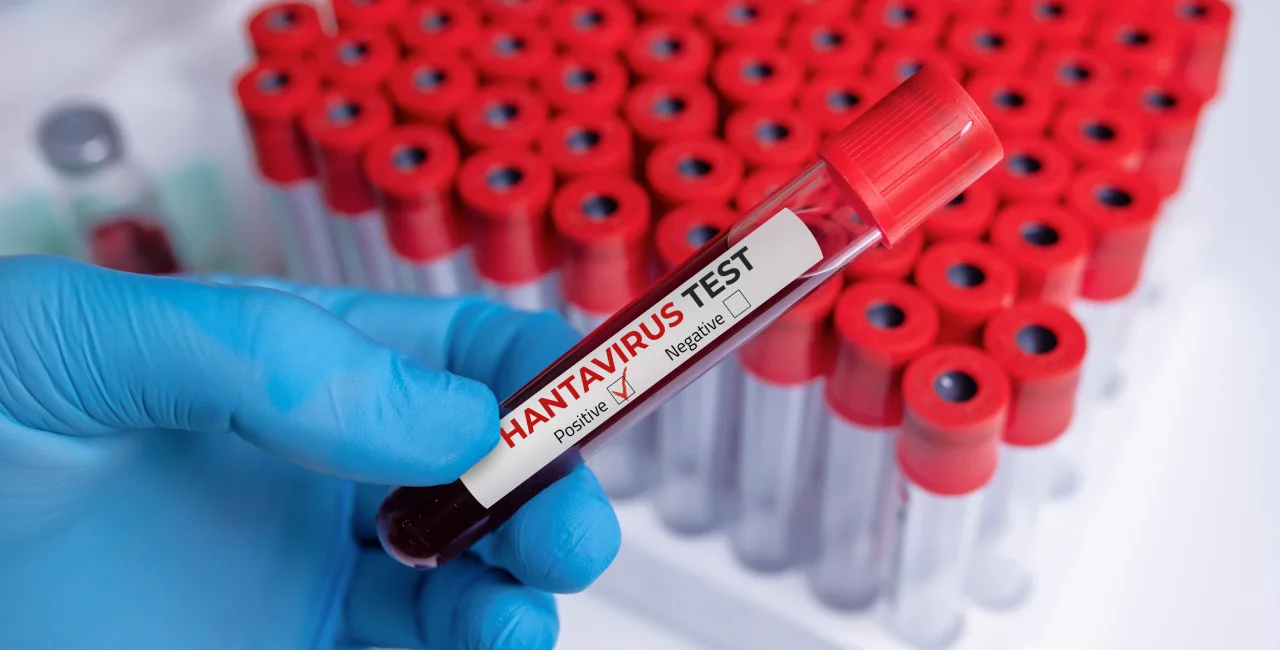

 Summary for: Hantavirus in Czechia: The strains, the risks, and what you need to know
A Dutch cruise ship, the MV Hondius, docked in Tenerife Sunday after a hantavirus outbreak killed three passengers and infected at least a dozen others. Passengers of 23 nationalities were evacuated.
WHO chief Tedros Adhanom Ghebreyesus reassured the public that "this is not another Covid-19" with other public health authorities saying that general public risk remains low. At press time, additional cases were confirmed.

While the Hondius outbreak involves a South American strain with no established presence in Europe, hantavirus is not a foreign concept in Czechia. Two European strains circulate here, and Czech patients are diagnosed every year.
What is hantavirus?
- Hantavirus is a family of ~40 viruses
- About half can cause serious human disease
- Carried mainly by mice and voles
- Spread via urine, faeces, or saliva
- Infection can occur by inhaling contaminated dust
Virologist Hana Zelená, head of the National Reference Laboratory for Arboviruses at the Institute of Health in Ostrava, told iDnes.cz that 11 people were treated for hantavirus in the Czech Republic last year, and 73 cases have been recorded between 2018 and early May 2026.
The two strains present in Czechia are distributed geographically. The Puumala virus is found in the South Bohemian and South Moravian regions. The Dobrava-Belgrade virus circulates in northern Moravia, the Olomouc region, and Zlín region.

Both cause haemorrhagic fever with kidney damage. The more dangerous of the two Czech strains is Dobrava, which in severe cases causes blood clotting disorders, kidney failure, and occasionally lung damage. Deaths occur, though they are rare.
The Andes virus that infected passengers of the MV Hondius is of greater concern because it is the only hantavirus species with confirmed human-to-human transmission.
Data from the Infectious Diseases Information System in the Czech Republic, confirms that no patient with hantavirus has died since 2018.
When to see a doctor
- Sudden high fever with chills
- Severe muscle, back, or stomach pain
- Blurred vision (key warning sign)
- Nausea, vomiting, diarrhea
The iDnes report described the case of a forester from Kladno who died in 2016 of an unidentified infection. The forester was treated first for flu, then bladder inflammation; hantavirus was only identified at autopsy.
Epidemiologists say it's critical to tell your doctor if symptoms follow outdoor activity in rural areas as it may not be on their radar otherwise.
Use precaution when cleaning
Czech health authorities warn that infection most commonly occurs through inhalation of dust or aerosols contaminated with rodent excrement, particularly from voles and mice, and less often rats.

Officials therefore advise preventive measures, including blocking rodent access to homes and exercising caution during cleaning. Affected areas should be ventilated and dampened beforehand to reduce dust, with gloves and respiratory protection used during cleanup.
Virologist Zelená stresses that rapid diagnosis of hantavirus infection is critical, noting that “there are no targeted drugs.” She says that early intensive care support for vital organ function can be life-saving, and that in the most severe cases, the antiviral medication ribavirin may help.
Czech health officials respond
The Czech Public Health Service has confirmed there were no Czech citizens aboard the MV Hondius.
Czech authorities will continue monitoring the situation with Czech Health Minister Adam Vojtech writing writing Monday on X, "According to the assessment by the European Centre for Disease Prevention and Control, the risk to residents of the Czech Republic remains very low."