 Reading time: 3 minutes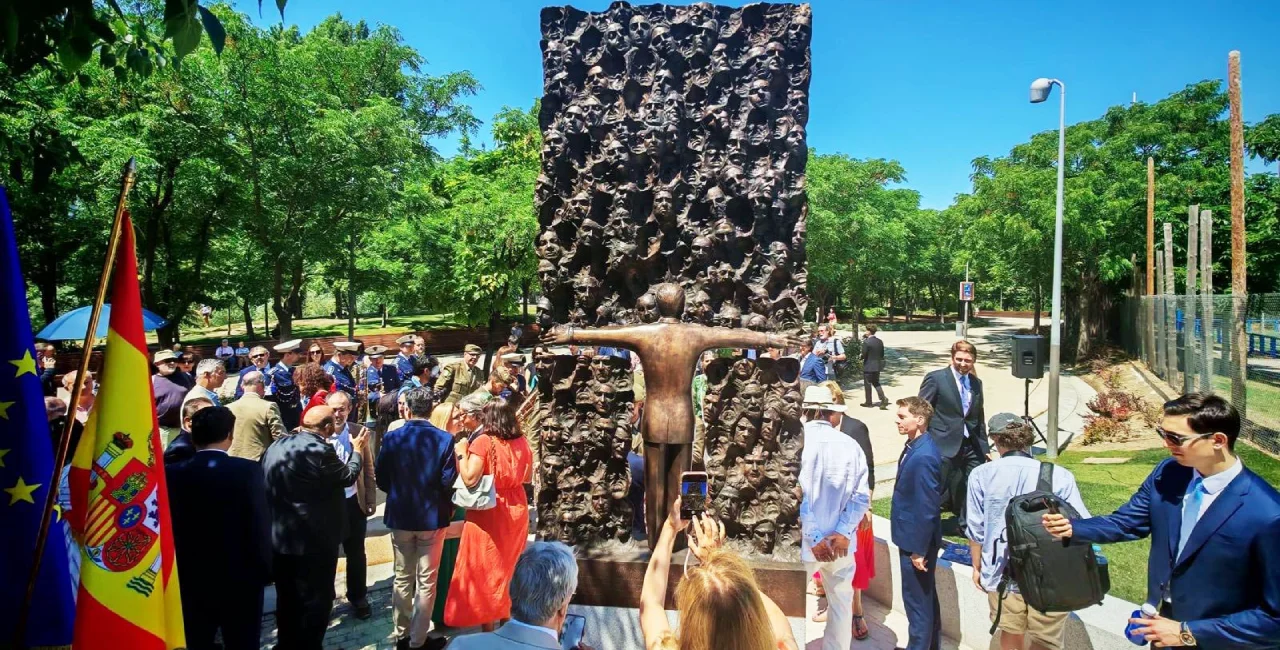

 Summary for: Monument to Czech resistance figure unveiled in Spain: Who was František Suchý?
A new monument honoring Czech resistance figure František Suchý has been unveiled in Madrid, spotlighting a lesser-known wartime story that links Czechia and Spain through the victims of Nazi persecution.
The sculpture was installed in Madrid Río park near Puente de Praga (Prague Bridge), in an area intended to create a symbolic connection between the two countries. The memorial commemorates Suchý, the wartime director of the Strašnice crematorium in Prague, who secretly preserved the ashes of thousands of Nazi victims instead of allowing them to be destroyed or discarded.
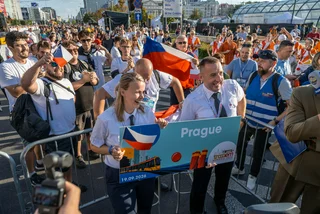
The unveiling took place on Friday, with representatives from both Czechia and Spain attending. Czech officials say the monument aims to preserve a story that remains relatively unknown in both countries, despite its scale and moral significance.
A hidden act of defiance in WWII
František Suchý, born in 1899, became director of Prague’s Strašnice crematorium in 1932. During World War II, Nazi forces sent the bodies of people executed or killed in the Hradištko concentration camp near Prague to the facility for cremation.
According to historical accounts, Suchý was ordered to cremate the bodies and ensure the ashes were disposed of without records, either dumped on compost or used as rock salt. Instead, he and his son, František Suchý Jr., secretly preserved the remains in urns, defying Nazi instructions.
In total, they are believed to have safeguarded the ashes of roughly 2,200 victims. Among them were Czech resistance members and several Spanish nationals who died in Hradištko and were later buried in a common grave in Prague’s Strašnice cemetery after the war.
The story remained largely unknown for decades. Czech officials say it was only later revealed publicly through testimony from Suchý’s son and historical research connected to the Memory of Nations project. Suchý’s story is told in the movie Ashes, a Czech-Spanish-French co-production that premiered at last year's San Sebastián film festival.

Following WWII, Suchý and his son would preserve the remains of victims of the communist regime, and they were persecuted for their actions. The elder Suchý spent four years in prison, and his son 12 for alleged espionage and treason, before both were later rehabilitated.
Memory, politics, and a Czech-Spanish link
The monument was initiated by the Czech Embassy in Madrid in cooperation with the city authorities. It is located in Madrid Río park near Puente de Praga, a symbolic placement intended to highlight the connection between Prague and Madrid.
Czech Ambassador Libor Sečka said the location was chosen deliberately to create what he described as “a small Czech space in Spain,” adding that the site helps connect Czech and Spanish historical memory.
Sculptor Jakub Vlček, who created the three-meter-high statue in Prague, said the design reflects Suchý’s role as both caretaker and witness. The figure is depicted with outstretched arms, accompanied by reliefs of resistance members whose remains passed through the crematorium.
According to Czech officials, bringing the monument to Madrid took more than two years of preparation and required persuading local authorities, where dozens of public art proposals typically compete for limited space.

The Czech Embassy says the project is also meant to raise awareness of shared wartime experiences between Czechia and Spain, including the fate of Spanish victims who died in Nazi camps on Czech territory.
Today, the monument stands not only as a tribute to one man’s actions during the war, but also as a reminder of how individual acts of defiance can shape historical memory across borders and generations.