



 Reading time: 5 minutes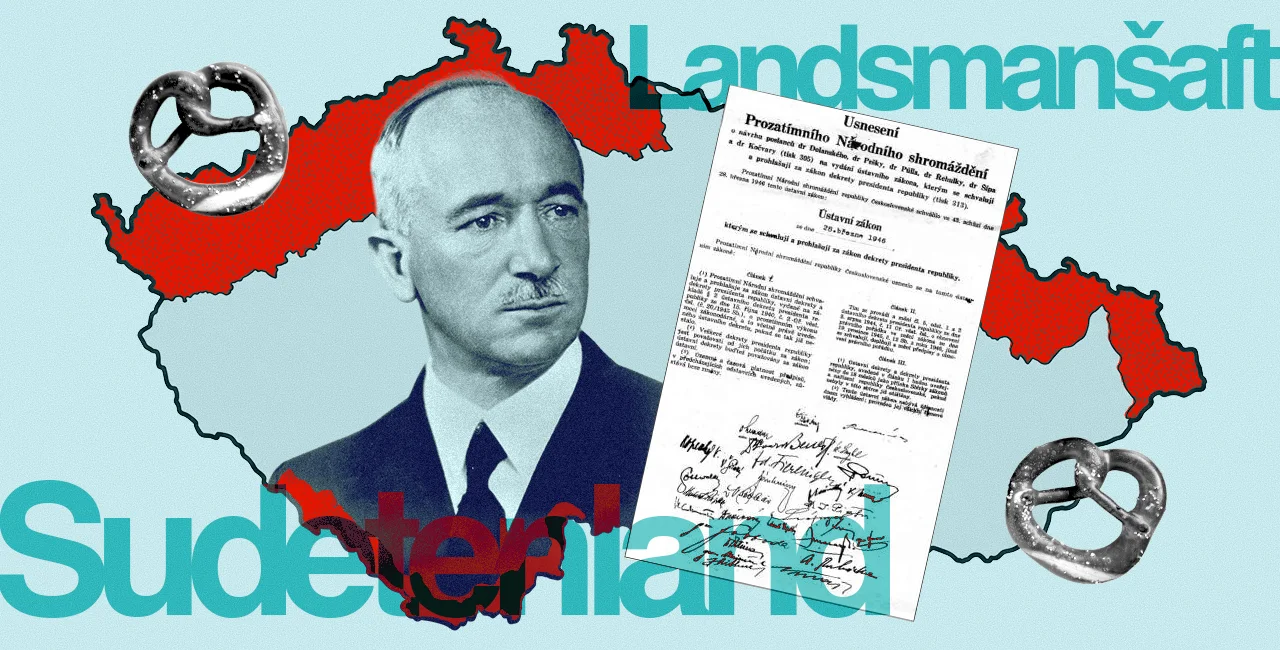

 Summary for: EXPLAINED: What was the Sudetenland and why can’t Czechia escape its legacy?
Want to continue reading the rest of this article?
Unlock full access, or continue for free
Become a Member
- Read all member articles on Expats.cz
- Enjoy an ad-free reading experience
- Attend member-only community events
- Receive exclusive newsletters and offers
Interact with article
- Listen to audio versions of stories
- Customize alerts and save articles
- Catch up fast with quick summaries
Create a free account
- Read up to 3 member articles / month
Interact with article
- Customize alerts and save articles
- Catch up fast with quick summaries