



 Reading time: 4 minutes

 Summary for: Not just a phase: When to consider physio or occupational therapy for your child in Czechia
A baby who struggles with tummy time. A toddler who’s not quite keeping up with milestones. A first grader who has a hard time holding a pencil correctly, or a teenager who can’t seem to concentrate or keeps dealing with the same nagging injuries. Most parents notice these moments, but the hard part is figuring out whether they’re just normal childhood phases or if they need extra attention.
Challenges with movement, coordination, or attention can show up at any age and don’t always resolve on their own. This is where pediatric physiotherapy and occupational therapy come in. Finding the right support in Prague, however, can feel like an ordeal, especially if you are dealing with a new healthcare system or raising a child far from home.
Private providers like MY CLINIC aim to offer a more accessible entry point for expat families. With an international team that can provide consultations in English, and a multidisciplinary approach, care is designed to feel accessible and easy to navigate, allowing parents to focus on what’s best for their child.
Pediatric physiotherapy vs. occupational therapy
Although the two are closely connected, physiotherapy and occupational therapy (OT) address different aspects of development.
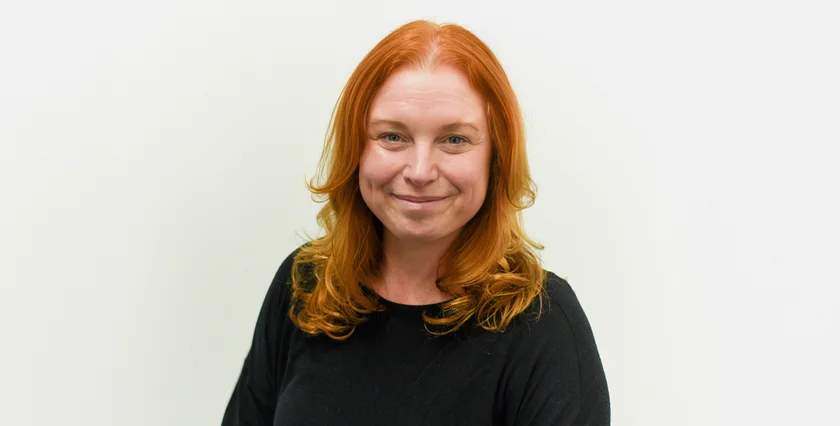
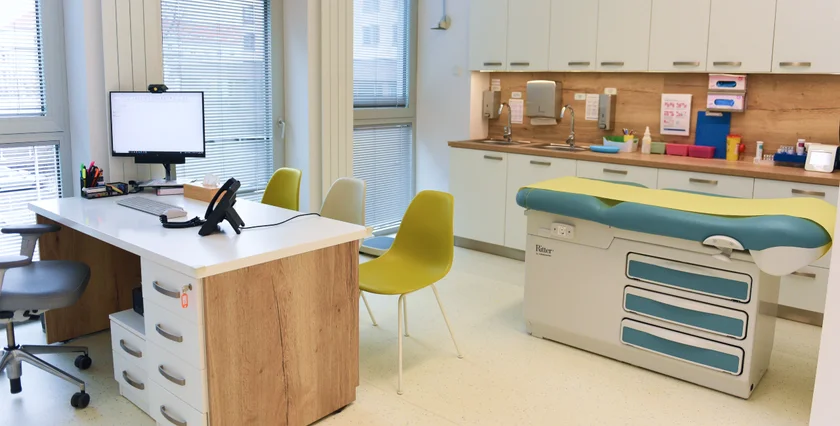
“Physiotherapy focuses on motor development, body movement, and physical function,” explains Ingrid Svačinková, head of physiotherapy and occupational therapy at MY CLINIC. “Occupational therapy focuses on function in daily life and how we perform everyday activities.”
For children, physiotherapists might focus more on movement, gross motor skills, and coordination, while occupational therapists could help patients apply these skills during everyday activities.

When parents in Czechia should consider early intervention
Many developmental concerns are easier to address when they are noticed early. If something feels off with your child, trust your gut. You do not have to wait for a clear delay or diagnosis before consulting a specialist.
Signs can be subtle. In infants, parents might notice a strong preference for one side of the body, uneven posture, or movements that look different from one side to the other. Other signals can include unusual reactions to touch or sound, or muscle tone that seems unusually high or low.
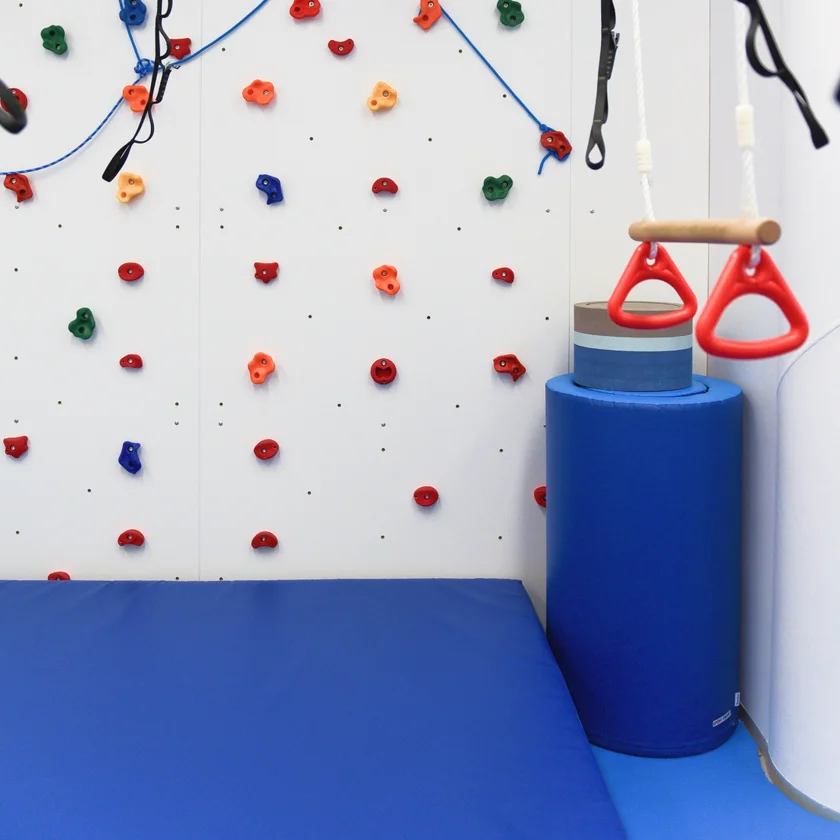
Feeding difficulties or persistent discomfort can also be reasons to seek advice. These are not always signs of a serious problem, but they are worth paying attention to.
“In general, if a parent is unsure about anything, it is better to consult a specialist rather than rely on advice from the Internet, AI, or people around them,” Svačinková says. “With children, earlier intervention is always better.”
At MY CLINIC, this kind of early intervention is built around the whole family. Pediatric physiotherapists and occupational therapists work closely together, looking not just at movement or milestones, but at how a child functions in everyday life, from play to feeding to simple routines.

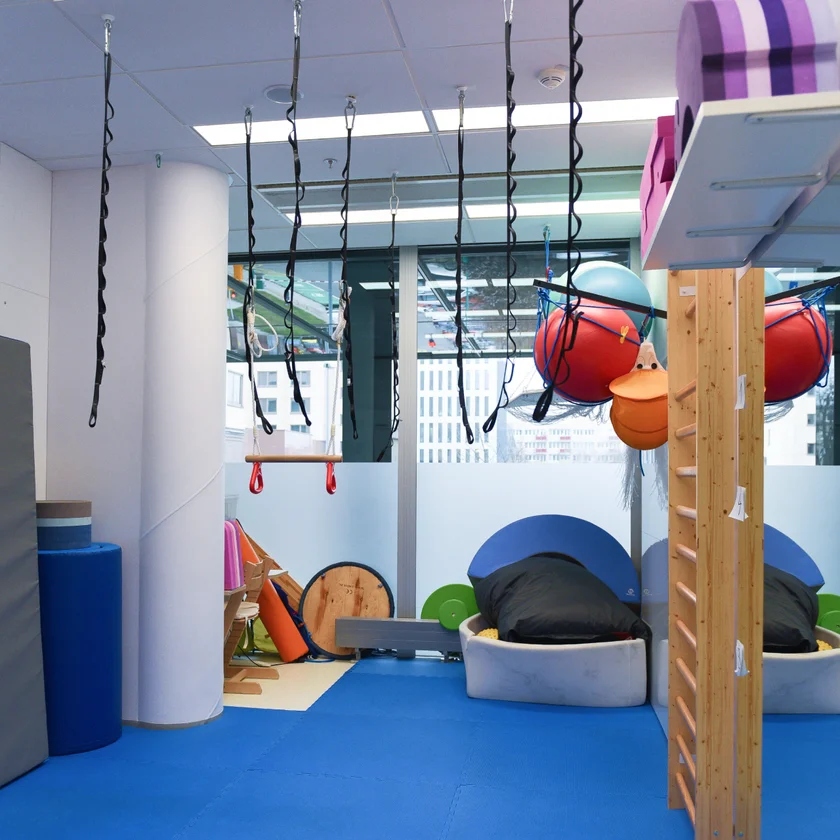
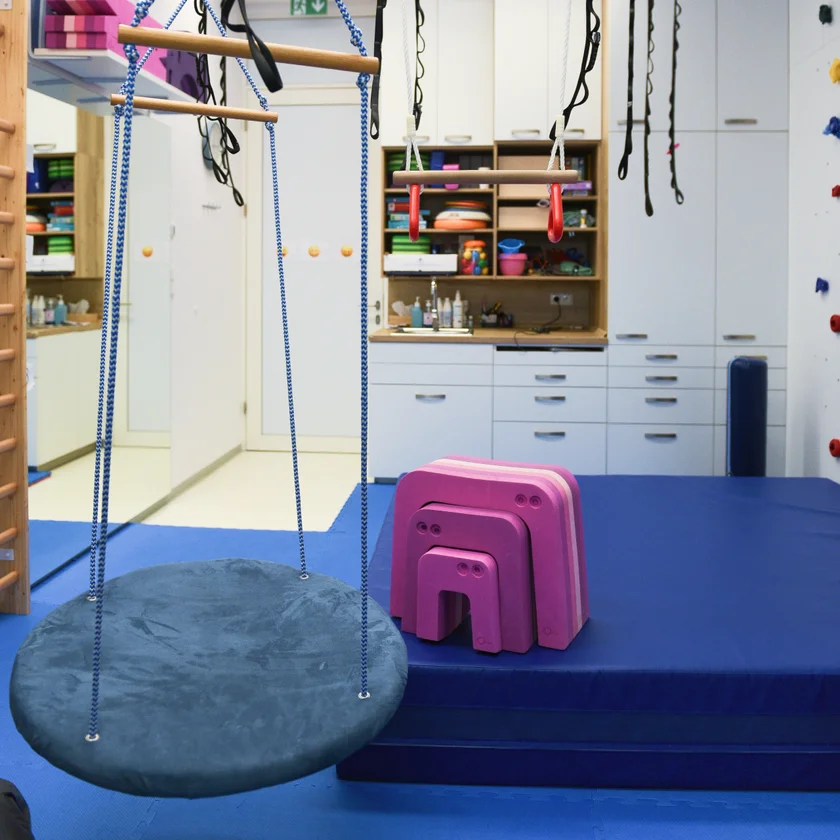

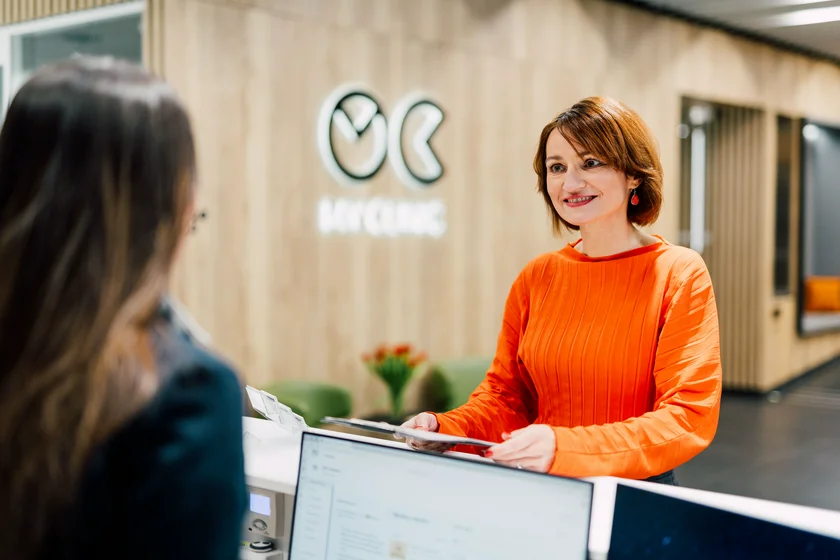

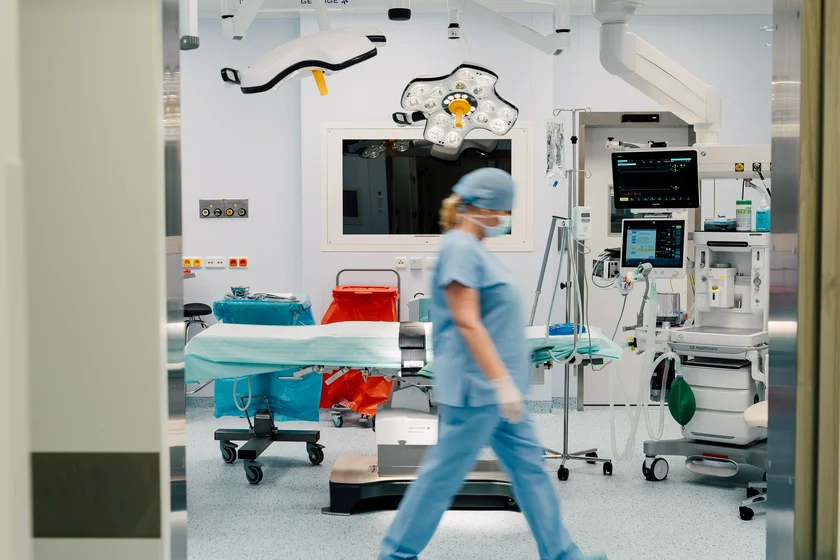

In many cases, a consultation simply reassures parents and offers guidance on how to support development at home. That can be especially valuable for expat families who may not have a strong local network.
What therapy looks like for young children
Pediatric therapy sessions are usually play-based and built around activities that children naturally enjoy. Physiotherapy may include guided positioning, movement exercises, and activities that assist coordination and balance.
Occupational therapy, meanwhile, often focuses on sensory integration, fine motor skills, and daily activities such as grasping, feeding, or early self-care.
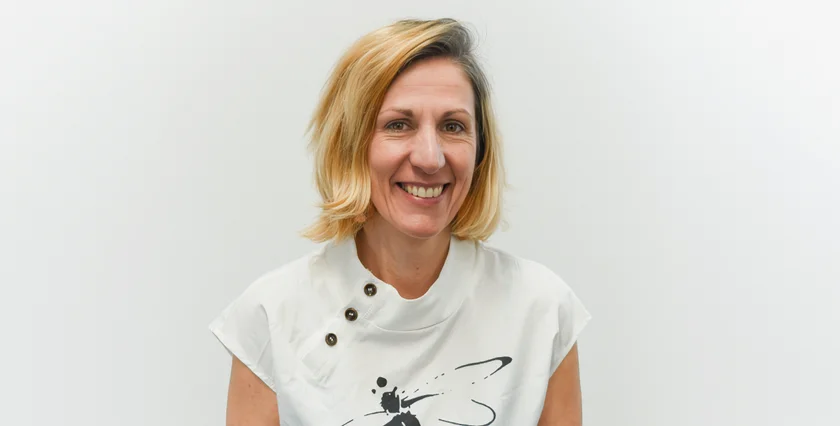
“This collaboration is essential,” explains physiotherapist Mgr. Kateřina Šimečková. “Both specialties work toward a shared goal. They support the child’s overall development, aim to take advantage of brain plasticity, and involve parents in the therapy process.”
Helping parents navigate care at home
For many expat families in Prague, navigating healthcare without extended family nearby can be challenging. Pediatric therapists often play an important role in helping parents feel like they have the information and assistance they need outside the therapy room.
“We provide education in areas such as handling, positioning, and play, to give families reassurance, confidence, and the knowledge that their approach benefits their child,” Svačinková says.
Physiotherapy and OT are often used to support children with neurological, genetic, and metabolic conditions, among others. Coordinated care within clinics like MY CLINIC allows information to be shared more easily between specialists like Šimečková and Svačinková, who can work with colleagues across disciplines to address a child’s needs more cohesively.

“Thanks to the wide range of specializations under one roof, which are not always common in outpatient facilities [in Czechia], our care is comprehensive and tailored to each client,” Šimečková adds.
When questions about development arise, a clear assessment can help parents understand what is typical, what may need attention, and what steps to take next. For many families, that first consultation brings clarity and practical guidance that can shape how they respond at home and in daily routines.