
 Reading time: 18 minutes

 Summary for: A total legal reset: Every new law and change coming to Czechia in 2026
Correction: An earlier version of this article incorrectly stated that Czechia would reduce the EU Blue Card salary threshold for IT professionals to 1.2 times the national average wage. While EU legislation allows member states to apply lower salary thresholds for certain professions, Czechia has not implemented such a change. The EU Blue Card salary threshold in Czechia remains set at 1.5 times the national average wage. -Ed.
The year 2026 marks a historic turning point for Czechia. This isn’t just a year of minor administrative updates; it is a total legal reset that will fundamentally change how we live, work, and interact with the state.
From the digital transformation of the healthcare system and the arrival of an EU-mandated AI Bill of Rights to the most significant welfare overhaul in decades, the reforms arriving this year are both personal and profound.
Whether you are navigating the new “super-benefit” system, preparing for the winter school enrollment shift, or exploring the first legal paths for magic-mushroom therapy, the 2026 landscape requires a new roadmap. We’ve compiled the definitive guide to the laws and regulations that will reshape your life in Czechia this year.
JUSTICE & Human RIGHTS
New protections against digital abuse, redefined domestic violence laws, the arrival of EU-mandated pay transparency, full recognition of foreign same-sex marriages, easier divorce, and a historic ban on physical punishment of children.
Women’s rights & safety
- Domestic violence redefined: For the first time, the Civil Code explicitly recognizes psychological and economic abuse as forms of domestic violence, moving beyond physical injury.
- Deepfake protection: Distributing non-consensual, AI-generated likenesses (deepfake pornography) is now a criminal offense in Czechia. Those found guilty of creating or sharing such content face up to two years in prison, with higher penalties if the victim is a minor.
- Closing the gender pay gap: 2026 is the mandatory "data collection" year for large employers. Companies with 150 or more employees must begin tracking their internal pay gaps now to file their first official public reports by June 2027.
- Period poverty: Primary and secondary schools are now legally required to provide free menstrual supplies to students.

Family & maternity
- Obstetric dignity & birth rights: New health guidelines mandate that hospitals respect a woman’s birth plan (including positions and the uninterrupted presence of a partner/doula) without hospital-imposed fees.
- No-fault unified divorce: To reduce trauma, custody and divorce are now merged into a single court process. If parents agree on a plan, the court will no longer investigate the "causes" of the marriage breakdown.
- More divorce reform: Courts will no longer investigate the causes of marriage breakdown in divorce cases. A new court fee structure sets CZK 2,000 for an agreed divorce and CZK 5,000 for a contested divorce, with partial reimbursement for agreements reached during proceedings.
- The slap ban: A formal amendment to the Civil Code now defines corporal punishment as unacceptable, establishing that children have a legal right to an upbringing without violence.
- Child protection certificate: A new sex-offender registry bans individuals convicted of violent or sexual crimes from working with children for up to 100 years.
LGBTQ+ protections
- Recognition of foreign marriages: Following a landmark ruling in late 2025, Czechia must now fully recognize same-sex marriages performed in other EU countries. While domestic same-sex marriage remains unavailable, authorities must grant these couples full marital rights regarding residency, taxation, and social security, and can no longer "downgrade" their status to a partnership.
- The “Partnership” era: As of 2026, the old “Registered Partnership” has been replaced by a new legal institution simply called “Partnership.” Crucially, 2026 is the first full year where "step-child adoption" (adopting a partner’s biological child) is fully operational.
- Gender identity rights: In line with 2025 rulings from the Constitutional Court and the ECHR, 2026 is the first full calendar year individuals can legally change their gender marker on national IDs without mandatory surgery or sterilization. The process now requires only a medical diagnosis from a sexologist rather than a physical transition.

IMMIGRATION & TRAVEL
The full implementation of the landmark Asylum and Migration Act means streamlined 90-day permit processing, new long-term residency paths for Ukrainian refugees, and tighter enforcement of mandatory integration requirements.
Foreigners in Czechia
- Long-term path for Ukrainians: Eligible refugees can begin transitioning from "Temporary Protection" to a stable five-year residency permit, provided they demonstrate financial independence and integration.
- The three-strike rule: Authorities may now revoke residency permits for any foreigner who incurs three finalized administrative offenses (public order breaches or property damage) within a single year.
- EU registration: A voluntary registration window opens for EU citizens living in Czechia for over 90 days, a precursor to mandatory registration in 2027.
- Mandatory integration courses: Enforcement is tightening for the Adaptation and Integration Course for foreign nationals. If you haven’t taken the course by your extension date, the system will flag you immediately. Read more here.
- 90-day rule: By May 2026, the Czech Republic must fully adopt new EU rules that make work permits more flexible and easier to process. The Interior Ministry will be legally required to process "Single Permit" (Employee Card) applications within a maximum of 90 days.
- Dresden zero quota: Effective Jan. 1, 2026, the Czech Consulate in Dresden has implemented a zero quota for standard Employee Cards and Business Visas, forcing most third-country applicants to apply in their home countries; exemptions remain for “preferred” nationalities (U.S., UK, Canada, etc.) and those in government-approved talent programs.
- Digital Nomad Program expansion: For 2026, the Czech government is considering increasing the annual quota for the Digital Nomad Program from 2,000 to 5,000 applications.
Travel requirements
- ETIAS implementation: Starting in late 2026, visa-exempt travelers from over 60 countries, including the U.S., Canada, and Australia, will be required to obtain a EUR 20 (approximately CZK 486) digital ETIAS (European Travel Information and Authorization System) to visit Schengen countries.
Work & employment
Significant updates to the Labour Code and the finalization of EU transparency rules: a record increase in the minimum wage, new rights to salary information for all workers, and stricter registration requirements for both local and foreign employees.
Wages
- Minimum wage increase: As part of the new 2024–2028 indexation mechanism, Czechia’s minimum wage will increase to CZK 22,400 gross monthly (from CZK 20,800).
- Unemployment benefits: These will start at 80 percent of a person’s average net earnings, but will decrease more quickly over time.
Income tax & benefits
- Salary-loophole closes: Benefits (such as gym cards or vouchers) are tax-free only if provided as a non-monetary gift. You can no longer legally trade a portion of your existing salary or bonus for benefit points to lower your tax bill.
- Tax-free caps rise: You can receive up to CZK 48,967 for health-related goods (such as pharmacies and glasses) and CZK 24,484 for leisure activities (including travel, sports, and culture). Any value exceeding these separate caps will be taxed as regular income.
- Higher tax bracket: The threshold for the higher 23 percent personal income tax rate rises in 2026. You will only pay the increased rate on gross annual income exceeding CZK 1,762,812 (approx. CZK 146,901 monthly). Any income below this amount remains taxed at the standard 15 percent.
- DPP insurance limit: The monthly income threshold for mandatory social and health insurance contributions under a DPP (dohoda o provedení práce) agreement rises to CZK 12,000 (up from CZK 11,500). If you earn CZK 11,999 or less with a single employer, no insurance is deducted.
- Home office allowance: For employees working remotely, the tax-free "flat-rate" reimbursement for utilities (electricity, heat, water) is adjusted to CZK 4.70 per hour for 2026 (down from CZK 4.80). This payment is optional for employers unless explicitly agreed upon in a written remote-work agreement.
- Tax-free meal allowance: The maximum tax-exempt employer contribution for a "meal voucher" (stravenkový paušál) rises to CZK 128.80 per shift for 2026 (up from CZK 116.20).
Freelancers & entrepreneurs
- Monthly payments for self-employed: Starting January 2026, the minimum monthly social insurance for primary self-employment is set to rise to CZK 5,720 (up from CZK 4,759). Health insurance increases to CZK 3,306. For "new starters" in their first three years of business, a discounted social insurance rate of CZK 3,575 applies.
- The social insurance "refund" proposal: The new government has pledged to cap the social insurance increase at CZK 5,005. Because the law may not take effect by Jan. 1, freelancers are advised to pay the higher legal amount (CZK 5,720) in January; any overpayment will be automatically credited or refunded once the amendment is finalized.
- Flat-rate tax (Paušální daň) increase: For those in the first income band (up to CZK 1 million), the all-in monthly payment rises to CZK 9,984 in January. This covers tax, health, and social insurance in one transfer. The deadline to join or leave this regime for the 2026 tax year is Jan. 12, 2026.
- Mandatory electronic filing: As of Jan. 1, 2026, paper forms for health insurance are abolished. All self-employed individuals (OSVČ) must submit their annual reports (Přehledy) and other communications exclusively in a digital format (XML) via Data Box or the insurer’s online portal.
- The 40 million tax-free exit: Starting Jan. 1, 2026, the CZK 40 million cap on tax-exempt income from the sale of company shares and securities is abolished. If you meet the "time test" (holding a company for 5 years or shares for 3 years), the entire profit from a sale is now 100 percent tax-free, regardless of the amount.

Pensions
- The new minimum: Starting January 2026, the minimum old-age pension (for those with 35 years of insurance) is set at 20 percent of the average wage. For 2026, this officially rises to CZK 9,800 per month.
- The 45-year rule: From 2026, individuals who have worked (or had "physical” insurance periods, such as childcare) for 45 years or more will receive a loyalty break. If they choose to retire early, their pension penalty is reduced to 0.75 percent per 90 days (down from 1.5 percent).
- Risk category contributions: A new 2026 rule requires employers of people in "hazardous" jobs (Category 3) to make extra contributions to their employees’ retirement funds, allowing these workers to retire earlier without incurring the usual financial loss.

Mental health
- Healthy Workplaces campaign launches: Under the updated Health and Safety rules, employers must now identify “psychosocial risks,” including stress and burnout, as part of their workplace assessments.
- Whistleblower protections expanded: The whistleblower laws are being extended to protect employees who report workplace bullying, harassment, or “bossing.” These reports now carry the same legal weight and protection from retaliation as those related to reporting financial fraud.

HR changes
- EU Pay Transparency (June 2026): By June 7, 2026, new laws will eliminate salary secrecy in Czechia. Employers must disclose pay ranges in job ads or before interviews, and are strictly banned from asking about your salary history. Additionally, all employees gain the “right to information,” allowing them to request a report on average pay levels for their role, broken down by gender, to ensure equal pay for equal work.
- Pre-work registration required (July 2026): Employers must now register their employees in the national system before their start date, eliminating first-day paperwork.
- Unified reporting: All data from a worker’s salary to their highest degree is now shared instantly between the Tax Office, Social Security, and the Ministry of the Interior via a jednotné měsíční hlášení zaměstnavatele (JMHZ).
- Retroactive filings: Although the system begins in January, the first mandatory reports are due on May 20, 2026. Failure to follow the protocols could result in fines for both employee and employer.
- Expanding definition of “employer”: Anyone who employs at least one person (including those on a DPP/DPČ agreement) is considered an employer and must file the JMHZ.

healthcare
The total digital transformation of patient records, a major overhaul of dental coverage, including free white fillings, and a shift toward mandatory preventive care to unlock insurance bonuses.
Digitization
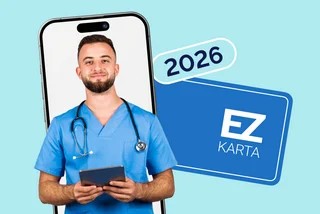
- e-Žádanky (digital referrals): As of Jan. 1, 2026, doctors can issue referrals for X-rays, MRIs, or physical therapy using a digital code (SMS or EZKarta app). While paper is not yet banned, specialists are now legally required to accept these digital versions.
- EZKarta & Patient Portal: Accessible via BankID, this app becomes your health wallet. In 2026, it adds a map of doctors and personalized notifications for free preventive screenings for which you are eligible.
- Digital discharge reports: Hospitals are transitioning to standardized digital records. Starting in 2026, your hospital discharge reports will be uploaded to the Patient Portal, allowing your GP or other specialists to view your results without you needing to carry physical papers.
Health insurance
- Mandatory electronic filing: As of January 1, 2026, all communication between employers, self-employed individuals (OSVČ), and health insurance companies must be conducted entirely digitally.
- Paper forms abolished: The annual "Income and Expense Report" (Přehled) for freelancers and monthly employer reports can no longer be submitted on paper. They must be sent via Data Box or the insurer's online portal (e.g., VZP Point).
- Cashless payments: Insurance companies will no longer accept cash at their branches. All payments must be made via bank transfer or online. However, you can still pay at a branch using a card via QR code.
- Simplified portability: The process of switching health insurance companies is being streamlined. From January 2026, your old insurer is legally required to transfer all your history (including proof of advance payments for freelancers and "state-payer" status for students/parents) to your new insurer within one month.
- Care gap rights: New rules explicitly allow patients to request a transfer or specialized coverage if their current insurer cannot provide a "reasonable" network of contracted doctors in their region. Insurance companies must now better justify why a patient cannot access a contracted provider.
Dental
- White fillings: Due to the EU-wide ban on amalgam (gray) fillings effective July 2025, a basic white filling is now the free standard for everyone. If you choose a premium, aesthetic version, your insurance acts as a CZK 900+ discount, and you pay only the difference.
- Root canals: For the first time, insurance will contribute approximately CZK 1,300 toward standard root canal treatments for front teeth and premolars. Molars and high-end microscopic endodontics remain fully paid by the patient.
- Surgery & sedation: A new 2026 pilot program fully covers outpatient dental treatment under general anesthesia for children and patients with disabilities to reduce hospital wait times.
- The 2026 dental bonus: Most major insurers (including VZP and OZP) have increased their 2026 dental hygiene credits. Adults can typically claim a refund of CZK 500 to CZK 1,000 per year for professional cleaning. For children, this bonus is often significantly higher, reaching up to CZK 2,000 at VZP.

Prevention
- Colorectal screening: The starting age for free colorectal cancer screenings (stool tests or colonoscopies) officially lowers from 50 to 45 years. GPs and gynecologists are now required to offer this screening to all patients aged 45–74 during regular preventive check-ups.
- Early heart checks (EKG): Patients with risk factors, such as obesity, high blood pressure, or diabetes, are now eligible for EKG monitoring starting at age 30 (previously 40).
- Mandatory GP check-up rule: Starting in 2026, many “Prevention Fund” bonuses (like those for gym memberships or dental hygiene) are strictly conditional. To unlock these funds, you must have visited your General Practitioner (GP) for a standard preventive check-up within the last 24 months.
- Vaccination credits rise: Reimbursements for non-mandatory vaccines are increasing for 2026. For example, VZP has raised its contribution for the flu vaccine to CZK 300 and continues to offer up to CZK 700–1,500 for tick-borne encephalitis. These are claimed almost via the insurer’s mobile app (Moje VZP, Vitakarta, etc.) by uploading a photo of your receipt.
Drug & therapeutic reform
- Cannabis home-cultivation: Starting January 1, 2026, adults (aged 21+) may legally grow up to three cannabis plants at their residence. The law permits the possession of up to 100 grams of dried cannabis at home and 25 grams in public.
- Medical psilocybin therapy: In a first for Europe, psilocybin (the active ingredient in magic mushrooms) will be legalized for strictly controlled medical use in 2026. This therapy is specifically designated for patients with treatment-resistant depression or end-of-life psychological distress.

HOUSING
Tighter borrowing limits for property investors, the full rollout of the Housing Support Act, and adjusted financial responsibilities for tenants regarding utilities and minor repairs.
- The Housing Support Act (January 2026): This landmark law establishes 115 new "Housing Contact Points" across Czechia to provide free legal advice and mediation for residents. It also introduces "guaranteed housing" where the state provides financial guarantees to private landlords, making it easier for vulnerable groups—including young families and single parents—to secure rental contracts.
- Expanded mortgage interest deduction: In a major win for those in cooperative housing (družstvo), you can now deduct interest on these loans from your income tax base, just like a standard mortgage. To qualify, the apartment must be your primary residence, and the deduction is capped at CZK 150,000 per year.
- Tighter mortgage rules: Starting April 1, 2026, if you are buying an investment property (a third home or a unit solely for rental), the Czech National Bank now limits your borrowing to 70 percent of the value. Primary residences remain at 80–90 percent.
- Tenant repair costs: The threshold for "minor repairs" that tenants must pay for out-of-pocket has risen to CZK 1,500 per incident. The annual total you can be charged for all such repairs is now capped at CZK 150 per square meter of your flat's area.
- Utility adjustments: Prague water and sewage rates rise to CZK 140.37 per cubic meter (roughly CZK 19 more monthly for average households), while regulated energy components increase by approximately 4.5 percent for gas and 1.1 percent for electricity.
- Property tax indexation: 2026 is the first year property taxes will be automatically indexed to inflation. Expats owning property will likely see a slight but automatic increase in their annual tax bill without a new law being passed.

Social welfare
The largest overhaul of the Czech welfare state in decades: the merger of four major benefits into a single "super-benefit," doubled support for parents of multiples, and a new financial stipend for student-parents.
Welfare and benefits
- Super-benefit rollout: Starting in January 2026, the new "Super-Benefit" (superdávka) replaces four separate state benefits: Child Allowance, Housing Contribution, Living Minimum Allowance, and Housing Supplement. Current recipients must have reapplied by Dec. 31, 2025, to ensure continuity. The first payments under this unified system will be issued starting in May 2026, with a transition period covering the gap between January and April.
- Parental allowance for multiples: For children born on or after Jan. 1, 2026, the total parental allowance for twins or triplets has been increased to double the standard rate. The total "pot" for multiples rises from CZK 525,000 to CZK 700,000. The monthly limit you can draw also increases to double the standard cap, allowing parents to exhaust the funds more quickly if they choose.
- Student-parent stipend: Launching in September 2026, a new financial support tier will be available for parents who are full-time students at Czech universities. To prevent students from dropping out due to childcare costs, eligible parents can receive a monthly stipend equal to one-third of the minimum wage for the duration of the academic year (10 months).

Schools & Education
Earlier enrollment deadlines for the 2026/27 school year, a new legal guarantee for three-year-old preschool spots, and stricter rules for school deferrals.
- Enrollment reset: In a major reversal, enrollment dates are moving back to winter to allow schools more time to manage capacity. Elementary schools (1st grade) enrollment for the 2026/27 year moves from April to Jan. 15–Feb. 15, 2026. Kindergarten enrollment moves from May to Mar. 15–Apr. 15, 2026.
- The preschool guarantee: Starting Jan. 1, 2026, municipalities are legally mandated to guarantee a spot for every 3-year-old. If the local kindergarten is full, the town must secure a spot in a children’s group (dětská skupina) or provide a financial subsidy to the parents to cover private care.
- Curriculum modernization: As of September 2026, all kindergartens must transition to a new national curriculum (RVP PV) that emphasizes digital literacy and "reading readiness" through play-based learning.
- Modernization "soft launch" in primary school: Schools can voluntarily start teaching the new 1st and 6th-grade standards (focused on problem-solving and AI literacy) in 2026 before it becomes mandatory in 2027.
- Healthy lunch update: The Ministry of Health has finalized the "Consumer Basket" (spotřební koš) reform. From 2026, school canteens are officially exempt from rigid minimums for flour/sugar/fat minimums and must prioritize plant-based proteins (such as legumes) and fresh, seasonal vegetables.
- Deferrals (Odklady): If you are planning to delay your child's entry into school (a common Czech practice), the rules are tightening in 2026. Parents of children born before March 31, 2020, must now provide a recommendation from a specialist doctor (e.g., a neurologist or psychologist), as simple recommendations from a pediatrician will no longer suffice for a deferral.

DRIVING & TRANSPORT
Driving becomes more digital in 2026: licenses now offer home delivery, seniors gain five extra years before their first mandatory check, and highway prices see a small inflationary increase.
Payments and fines
- Highway costs: Czech highway vignette prices will rise to CZK 2,570 for the annual pass (+CZK 130), CZK 480 for 30 days (+CZK 20), CZK 300 for 10 days (+CZK 10), and CZK 230 for a single day (+CZK 20).
- Penalities for "ghost cars": Simultaneously, penalties for uninsured vehicles will increase by approximately 30 percent, with automated systems now enabling the Czech Insurers’ Bureau to detect and fine “ghost vehicles” almost instantly.
Licenses and exams
- Online registered, delivered to you: When renewing via the Portál dopravy (Transport Portal), you can now choose to have your vehicle registration renewed at a collection point or delivery box, rather than a municipal office.
- Medical exam age rises: The age for obligatory driver medical exams increases from 65 to 70, and records entered in the electronic database from January 2026 onward will no longer need to be carried physically.
Regulation and legal
- EU digital license: 2026 marks the rollout of the EU Digital Identity Wallet, which will allow a driver’s license issued in Czechia via Portál dopravy or eDoklady to be legally recognized by police in neighboring countries such as Germany and Austria.
- Unified disqualification: Alongside this technical shift, new rules mean that serious offenses (such as DUI or excessive speeding) resulting in a license ban in one EU country will now be enforced across the entire Union.
- Level 3 autonomous driving: Czechia becomes one of the first in Europe (following Germany) to legally permit Level 3 Automation on selected highway sections. This allows the car to handle all driving tasks in certain conditions, though the driver must be able to take control within 10 seconds of a prompt.
- Scooter ban takes effect: Citing public-safety concerns, Prague will ban shared e-scooters, allowing only bikes and e-bikes in designated areas under a new city transport regulation.

Consumer protections
Standardized insurance summaries to eliminate hidden exclusions, new "name-check" verification for bank transfers to block fraud, and stricter bans on manipulative "greenwashing" and deceptive online sales tactics.
- The Clear Insurance Act: Following EU directives, insurance companies must now provide a standardized two-page summary for all non-life policies (home, pet, travel). It must clearly list what is not covered in plain language, ending the era of hidden small-print exclusions.
- The anti-scam name check: Starting in 2026, Czech banks will begin rolling out Verification of Payee (VoP). Before you confirm a transfer, your banking app will automatically check if the name you typed matches the name on the account. If there is a mismatch (a common sign of “spoofing” or invoice fraud), you will receive a warning before the money leaves your account.
- The "Greenwashing" Ban (September 2026): Under the Empowering Consumers Directive, companies in Czechia will be strictly prohibited from using generic environmental claims, such as "eco-friendly," "green," or "carbon neutral," unless they can prove it with an official certification.
data privacy and AI
The staggered rollout of the EU AI Act hits a significant milestone in 2026. This isn’t just for tech companies; it’s about protecting private citizens from “high-risk” technology.
- The AI Bill of Rights (2026): As the EU AI Act enters full enforcement, the law now strictly prohibits real-time facial recognition in public (except for rare threats like terrorism), bans social scoring to prevent behavior-based ranking, and prohibits emotion recognition in workplaces and schools.
- The AI label: If you are interacting with an AI (like a chatbot) or viewing “Deepfake” content, it must be clearly labeled by the provider.
- Right to explanation: If a “high-risk” AI (used in hiring, bank loans, or insurance) makes a decision about you, you now have the legal right to ask for a clear explanation of how that decision was reached and what data was used.
- GDPR 2.0 (The Data Act): Starting Sept. 12, 2026, new connected products must be designed for data portability. You can now force manufacturers (of smart cars, fridges, or watches) to share the data they collect with a repair shop or third-party app of your choice.
- Cookie-less browsing: 2026 marks the final transition toward “Privacy Sandbox” technologies. As major browsers phase out third-party tracking cookies, advertisers must use new, anonymized methods to reach you, making it significantly harder to track your personal identity across the web.