



 Reading time: 5 minutes

 Summary for: Buying property in Czechia in 2026: What expats need to know
Czechia’s housing market is hot, and with prices on an ever-increasing trend across the country’s major cities, locking in a property soon is a worthy, if not lucrative, investment.
For foreigners unfamiliar with the Czech housing market or language, buying property can be a maze, from ensuring your deposit is secure and undertaking due diligence to knowing which types of tax you need to pay.
Here are the most important things prospective homeowners need to know, and why it pays to get specialist help.
Prices are sky-high, mortgage rates are low
Property prices in Czechia are sharply rising. In Prague, a new 70 square meter apartment now hovers around the CZK 12 million mark, roughly 9 percent higher than last year. Apartments in Pilsen, Brno, and Ústí nad Labem often cost less than half the price of Prague, and a Central Bohemian home can be around 40 percent cheaper.
With analysts forecasting 5-6 percent annual property price growth in 2026 and beyond, and mortgage rates at a three-year low, now could be a good time for prospective buyers to act.
You don’t need to be Czech to buy property
Almost all foreigners (EU and third country) can buy property in Czechia, from apartments to houses and even commercial assets. It’s not a golden ticket visa replacement however; property ownership does not grant any residency rights, as noted by specialist real estate law firm Realitní advokáti. You’ll still need to navigate the proper channels and processes in order to live in your property long-term. This matters especially for newcomers, since many assume ownership creates an immigration shortcut.
Financing as a foreign buyer is available
Foreigners can obtain mortgages in Czechia, but knowing the rules surrounding borrowing is key. Loan-to-value ratios (LTVs) typically top out at 80 percent: this means that buyers need to cover at least 20 percent of the down payment from their own funds.
However, higher LTVs may be offered to first-time or younger buyers, according to Realitní advokáti. Banks also require strong proof of income and sometimes additional equity, the law firm says.

For foreign applicants, banks often want to see multi-year tax returns or employment contracts translated into Czech. Income paid in a foreign currency typically requires additional verification.
Debt-service to income and debt-to-income caps, which base borrowing amounts on a mortgage applicant’s income, were suspended in 2024. However, as Realitní advokáti notes, these can return at any time; checking this while applying for a mortgage is imperative.
Ensure you fulfil all legal and language requirements
All filings with the Cadastral Office must be in provided Czech or accompanied by certified translations. If a buyer does not speak Czech during a notarial act, a sworn interpreter is also legally required to be present.
Contracts, powers of attorney, and authorizations must also all follow Czech legal formats, and even small inconsistencies can delay registration. Planning ahead for translation and interpretation costs helps keep the timeline under control, says Realitní advokáti.
A frequent issue occurs when a power of attorney is missing mandatory Czech phrasing, which forces the Cadastral Office to reject the submission and restart the waiting period.
You’re liable to pay several taxes and fees
Annual property tax increased significantly from 2024, and local multipliers still determine how much owners pay. Non-residents must file their property tax return by Jan. 31, with payments due around May 31.
Rental income earned in Czechia is taxable locally, but double-tax treaties are likely to benefit non-residents. Capital gains on Czech property are tax-free if it’s a primary residence or if the property has been owned for at least 10 years.
New developments will heavily shift demand, prices
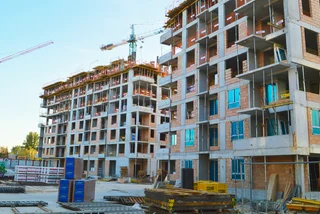
Czechia’s property values are heavily shaped by planning rules and long-term infrastructure projects. Prague, in particular, has serious issues with housing supply due to delays in obtaining construction permits, which contribute to increasing prices. However, the new government coalition has pledged to increase the stock of available housing.
Large infrastructure projects also influence price trends. Prague’s upcoming metro D line, new sections of the Prague Ring Road, and planned high-speed rail corridors are among the upgrades expected to shift demand in the coming years.
Massive new projects like Smíchov City and the redevelopment of Žižkov Freight Station will also help spur demand, increasing investment opportunities.
Doing due diligence is key
Many issues can arise even before signing a purchase contract. Buyers often rely on reservation agreements without fully verifying a property’s legal status. A thorough Land Register check is essential, as liens or pending disputes can restrict future use.

It’s also important to confirm that the seller is not facing insolvency or enforcement proceedings, which could complicate the transfer, Realitní advokáti states. Additionally, every property must also have a valid Energy Performance Certificate; without it, registration may be delayed or denied.
Escrow (a secure third party that holds funds until contractual conditions are met) is another common pitfall. Realitní advokáti describes how standard agency client accounts are less secure than an attorney-held escrow, where release conditions are clearly defined.
If the property is in an older building, review documentation on roof repairs, plumbing, electrical upgrades, and shared areas to avoid unexpected special assessments. Specialized legal firms often provide secure escrow services for added peace of mind.
The bottom line
Buying property in Czechia in 2026 can be a great opportunity for foreigners, but it helps to know the legal process inside out. With the right documents, realistic timelines, and secure escrow, the process becomes far more manageable. Having a legal expert on your side can make all the difference in securing your home.
Always remember
- Verify that the building and apartment are fully compliant and have all necessary approvals.
- Consider actual monthly heating and service costs, not just the energy label.
- When you submit an ownership change, the Cadastral Office puts a 20-day hold on the property, finalizing registration in 30 days, and charging CZK 2,000.
- If applicable, obtain confirmation from a homeowners’ association (HOA/SVJ) to verify if the seller owes any money and the monthly payment amount for owners.
- Mortgage rules can change, so always check the current limits set by the Czech National Bank.
- Confirm which fixtures, appliances, storage units, and parking spaces are included in the sale, since these are not always standard.