



 Reading time: 4 minutes

 Summary for: Unsure how AI fits into education? One Prague school offers a practical, progressive model
Think back to the technology you used at school, the simpler times when typing lessons and Microsoft Paint dominated screens in a shared computer room. These tools had clear limits, but as artificial intelligence enters daily life hard and fast, schools are being pushed to rethink what children need to learn to stay relevant.
By the time today’s students enter the workforce, the digital landscape will look radically different, giving an edge to programs that prioritize hands-on experimentation, maker-based learning, ethical frameworks, and meaningful use of classroom technology, over basic tech instruction.
That shift is already visible at Riverside International School, whose resources and teaching expertise offer a practical perspective on what thoughtful tech education can look like. Here, the focus is not on mastering the latest device, but on developing habits to build confidence, curiosity, and resilience rather than resistance.
Setting clear, shared rules for responsible AI use
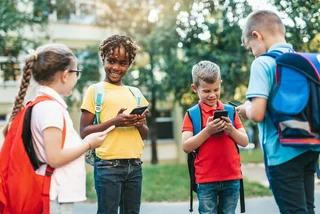
The question is no longer whether AI will shape education, but how children are taught to live with it and use it responsibly. Across Czechia and elsewhere, similar concerns have already led schools to restrict or ban certain technologies, such as mobile phones during the school day, as parents and teachers debate how much digital access is too much. That broader conversation shapes how schools are now approaching AI in the classroom.
For parents, one of the biggest fears surrounding this technology is its deliberate misuse, a concern amplified for expat families who are already navigating new countries, school systems, and cultural expectations. Without clear boundaries, psychologists and education researchers warn that students may struggle to understand where AI helps learning, and where it undermines it.
At Riverside, we see AI as a learning partner that enhances creativity, inquiry, and critical thinking, while keeping the human relationship between teachers and students at the centre,” says Al Falk, Co-Director of Riverside.
It’s important to get the entire school community, including students, teachers, and parents, on the same page regarding AI boundaries and accountability. To ensure this, Riverside's AI For Learning team developed an approach “guided by innovation, integrity, and responsibility, ensuring students engage critically, act ethically, and thrive in an AI-integrated world.”
“The team provides ongoing updates to maintain alignment and confidence in its responsible use,” Falk adds.
This vision is communicated openly. Staff and students were provided with a week-long AI learning experience led by a consultant from AI for Learning, which focused on classroom applications and ethical considerations. Parents were included through a dedicated presentation, creating transparency and shared understanding.
Using AI to support creativity and deeper learning
Recognizing the rapidly evolving AI landscape and adapting to this, not shying away or fearing it, is part of the process. Rather than training children on specific tools that may quickly become obsolete, educators are focusing on adaptability and critical thinking.
AI is not replacing teaching and learning but questioning it, and we are eager to challenge students,” says Leyla Yunis, an education technology and innovation specialist at Riverside. “If we can replace a task or assignment, especially in the field of creativity and fabrication, it just allows for more time to construct a methodology and hone a craft.”
But there needs to be a balance, because choosing the right tools and knowing how to use them works both in the digital and the physical spaces. The goal, she adds, is to foster human-machine collaboration.
Introducing technology through hands-on making
Preparing children for a technology-led future isn’t about mastering platforms. It’s about helping them adapt, ask questions, and feel capable as tools continue evolving at a lightning pace.
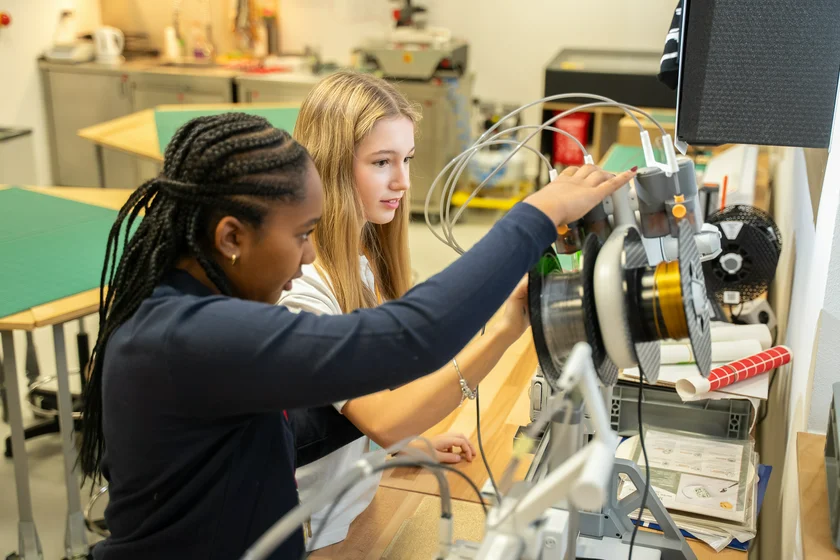
That’s why many schools are moving toward maker-based learning, where hands-on construction and problem solving come first, and digital tools are introduced later.
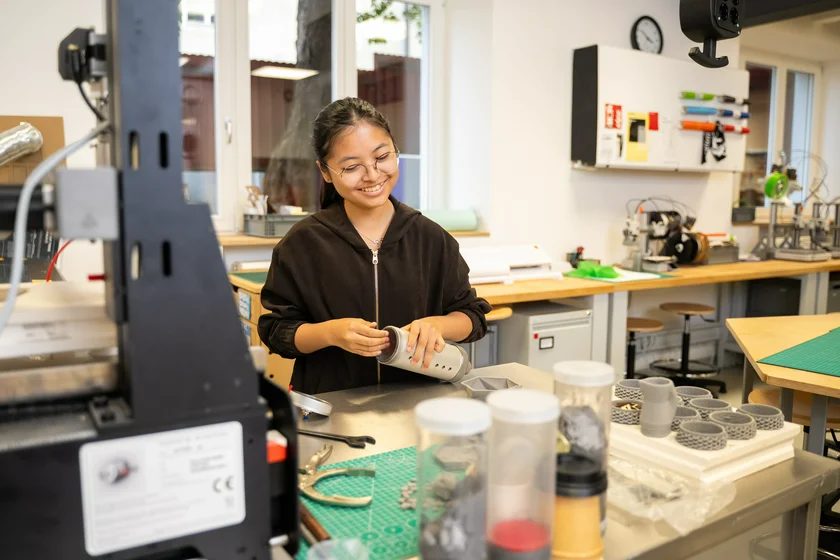
At Riverside, this tiered approach has shaped how technology is introduced across the school. A lot of experimentation unfolds at the school’s Innovation Centre, where students are encouraged to interact with the physical world.
According to Yunis, the Centre is a hub in a larger ecosystem, presenting technology as a fluid part of everyday life, not just what the future holds.
From theater props to arts projects, wind-tunnel prototypes to knitting emotional support animals, this space becomes filled with students cultivating their skills and creativity,” says Yunis.
Through a learn-by-doing philosophy, these innovations help students repair, reuse, and invent their own learning path. It allows technology to feel relevant and accessible, which provides a better understanding of the subject overall.
Learning through failure, iteration, and real tools
Some parents worry that technology will make classroom learning too “easy.” However, research consistently shows that students develop stronger problem-solving skills and resilience when they are allowed to experiment, make mistakes, and improve over time.
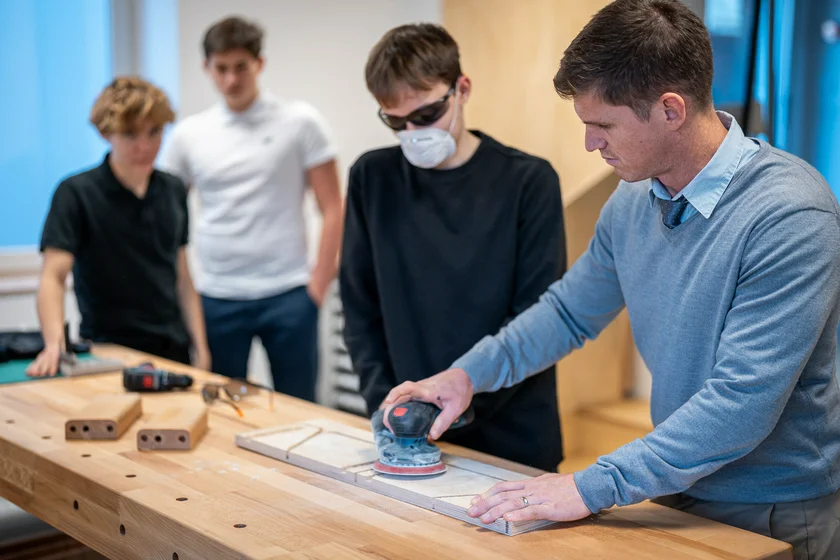
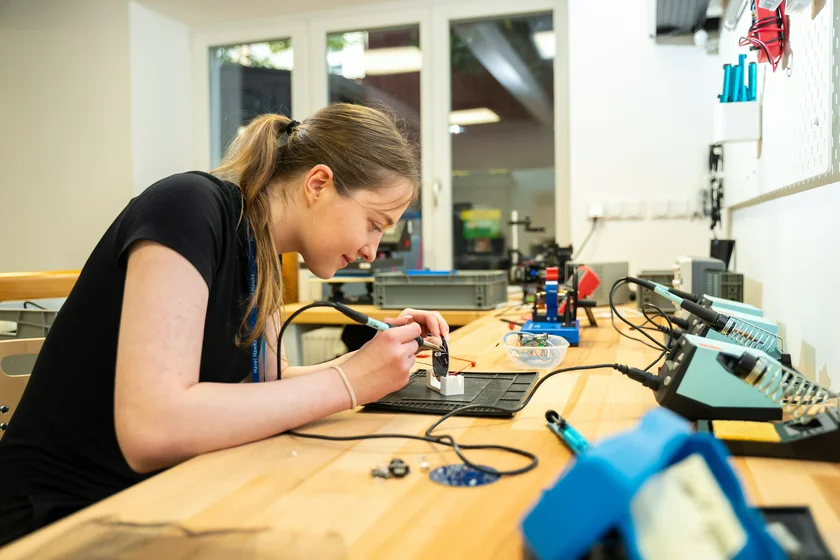
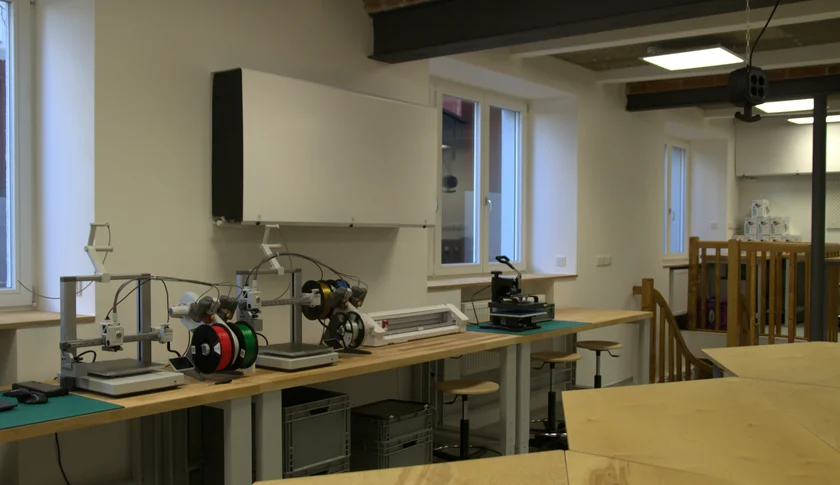
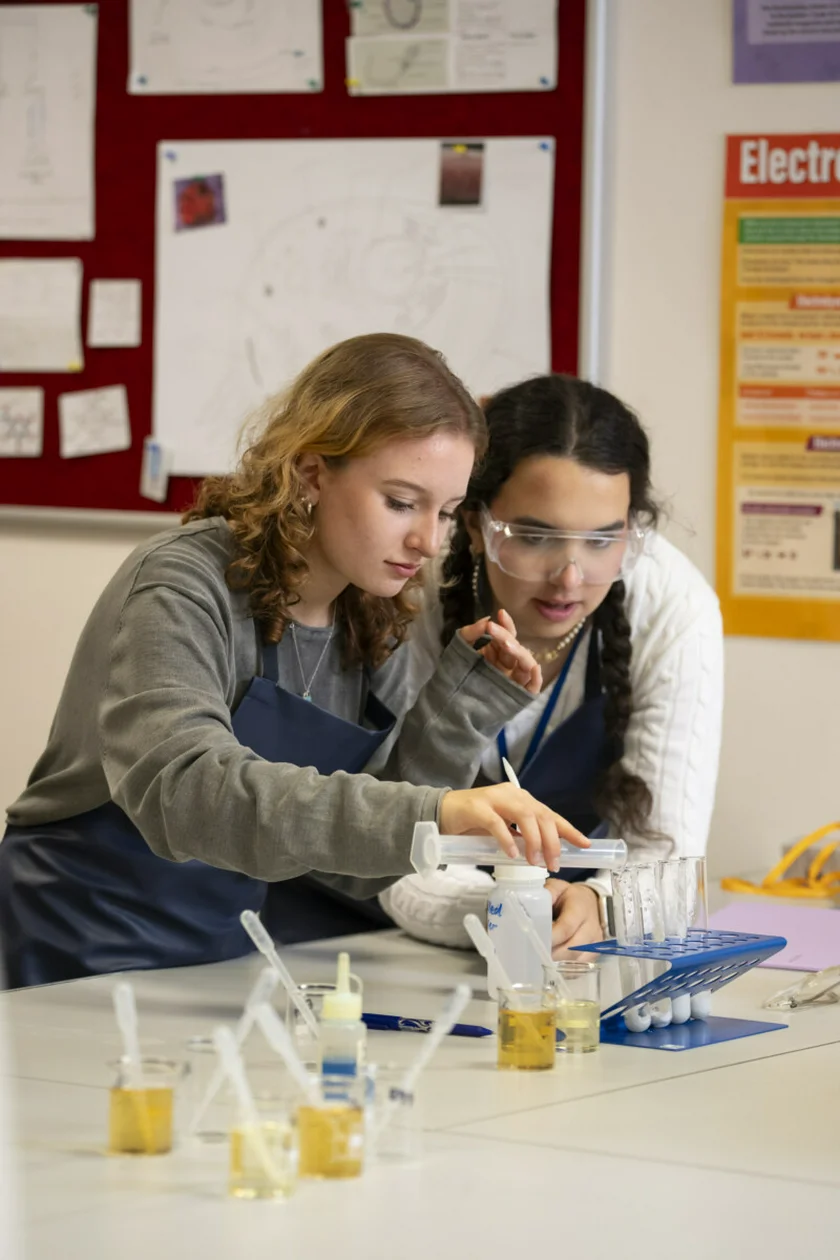
A significant focus is placed on the methodology and finding an adequate mix of tools, both analog and digital. In doing so, Yunis states that students can “tackle these things and the ability to iterate when circumstances change, focusing on not just problem solving, but patience, passion, and purpose.”

The emphasis on iteration reflects how innovation works beyond the classroom, where progress is rarely linear. For expat children, who are already navigating change and uncertainty, learning that setbacks are part of the process can be a powerful confidence booster.