




 Reading time: 3 minutes

 Summary for: Seasonal allergies in Czechia can be intense. An expert shares how you can cope
Spring in Czechia offers one breathtaking Instagram-worthy backdrop after another, with its parks, riverbanks, and surrounding forests bursting into bloom seemingly overnight.
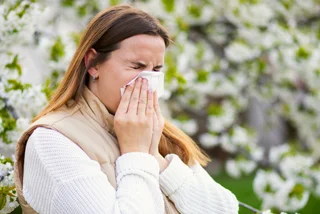
But not everyone can celebrate the country's famous aesthetics. For an estimated 25 percent of Prague’s residents, this time of year also comes with heavy baggage: merciless seasonal allergies.
Finding relief from this sneezing, coughing, itchy-eyed annual nuisance is usually quite manageable. However, when symptoms seem resistant to standard treatment measures and over-the-counter remedies, it may be time for a medical evaluation.
If symptoms last more than a few weeks, disrupt sleep, or affect breathing, medical care is recommended. Expats.cz spoke with MUDr. Tomas Slisz, an allergist at Concierge Medicine in Prague, about how allergies are treated locally, and when to seek support.
What Prague’s pollen data shows each spring
In Prague and across Czechia, allergy season follows a relatively predictable arc. Tree pollen dominates early spring, starting in late winter with hazel and alder and peaking with birch in April. According to Dr. Slisz, by late spring, grass pollen becomes the main trigger, often prolonging symptoms into summer.
Weather conditions play a key role. Dry, windy days tend to push pollen concentrations higher, while steady rainfall temporarily lowers counts by washing pollen from the air.

In a place like Prague, where dense urban green spaces meet wooded hills and river corridors, exposure can be significant even for those who spend most of their time in the city center. Understanding these patterns can help you anticipate symptoms, but persistent reactions still require medical evaluation.
When symptoms go beyond “just allergies”
For many people, seasonal allergies mean nasal congestion, sneezing, itchy or watery eyes, and throat irritation. The intensity of these symptoms varies widely, according to Dr. Slisz. Many expats delay care because symptoms seem manageable. Guidelines, however, emphasize early evaluation when symptoms persist or worsen.
However, respiratory allergies are not always limited to the upper airways. There is a well-established link between allergic rhinitis and asthma, often referred to as the “united airway disease” concept. Persistent cough, wheezing, chest tightness, or shortness of breath may indicate lower airway involvement.
Allergic inflammation can contribute to the development of asthma or worsen pre-existing disease. According to current clinical evidence, a substantial proportion of patients with allergic rhinitis also have asthma, even if it remains undiagnosed.

Symptoms that disrupt sleep, reduce exercise tolerance, or progressively worsen should not be dismissed as “just hay fever.”
To clear up any concerns, schedule an appointment with your general practitioner. In Czechia, GPs typically coordinate referrals, so you may need a recommendation before seeing a specialist such as an allergist or pulmonologist if needed.
Urgent care is appropriate for acute but non-life-threatening breathing difficulties outside regular office hours. In cases of severe respiratory distress or suspected anaphylaxis, call 155 immediately.
Testing, treatment plans, and prevention in Prague
If allergies significantly affect your daily life, targeted examination can help identify triggers more precisely and guide effective management. In Czechia, diagnostic work-up typically includes specific IgE blood tests or skin prick testing. If asthma is suspected, spirometry and other lung function tests are used to assess airway involvement.
These evaluations form the basis for an individualized treatment plan. Depending on the findings, management may include environmental modifications, pharmacotherapy (including inhalers), or allergen immunotherapy, which in selected cases can modify the course of the disease rather than just control symptoms.

On a practical level, regimen measures remain essential. Dr. Slisz suggests checking daily pollen forecasts (e.g., via pylovasluzba.cz) to help you plan outdoor activities. Additional measures such as using correct ventilation, including air conditioning and HEPA filters, can reduce allergen load.
A tailored approach can make a noticeable difference, and pharmacies can also provide useful guidance on symptom control and correct use of medications. With the right support, managing allergy season in Prague becomes more predictable and easier to navigate.