 Reading time: 4 minutes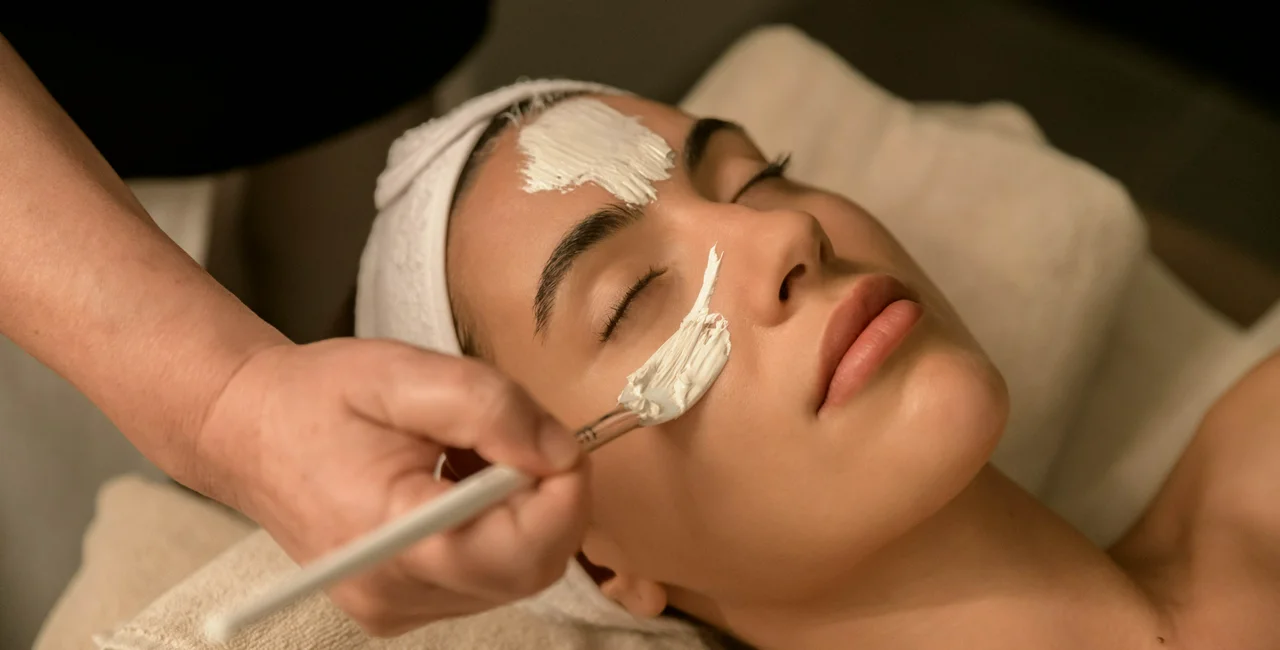

 Summary for: Ease your skin problem at the spa: These natural therapies can help
You’ve followed the skincare rules: the cleansers, active ingredients, and prescriptions your friends (and social media) all swear by. And still, the breakouts linger, the redness never fully fades, and the usual fixes only go so far. For some people, the issue isn’t just about products, but how inflammation is being managed in broader terms.
If pimples and acne issues are still a source of concern, a trip to the spa may provide relief. But facials only go so far; across Central Europe, medical spas take a more comprehensive approach to these treatments, pairing dermatological insight with natural therapies in a structured, physician-led setting.
For expats in Czechia, where spa culture is deeply rooted and cross-border wellness travel is common, medical spa treatments are an accessible option within a few hours of Prague.
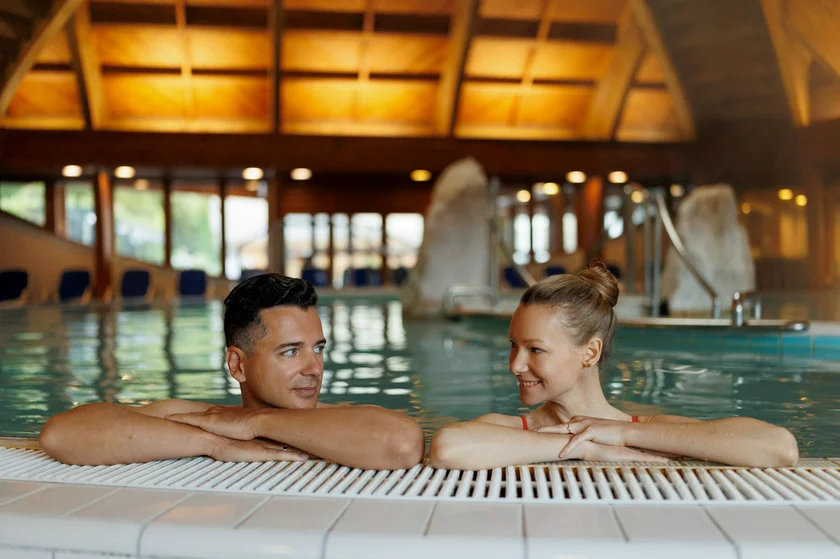
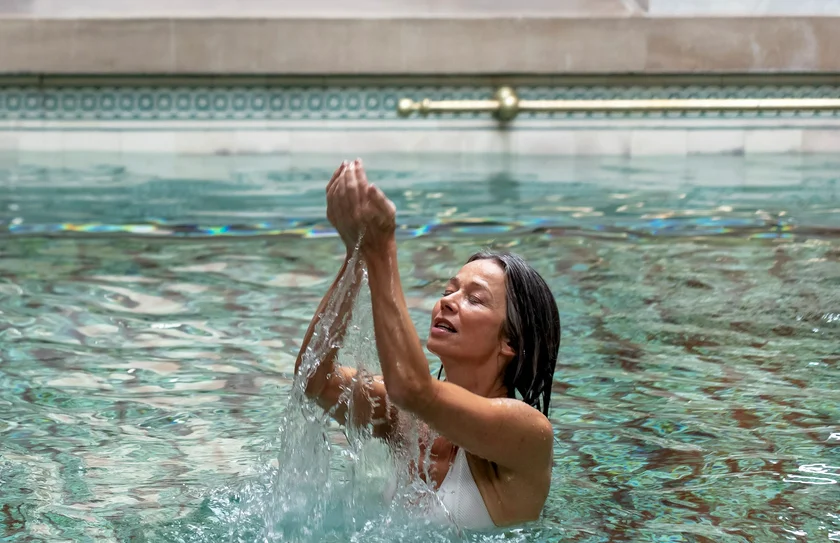
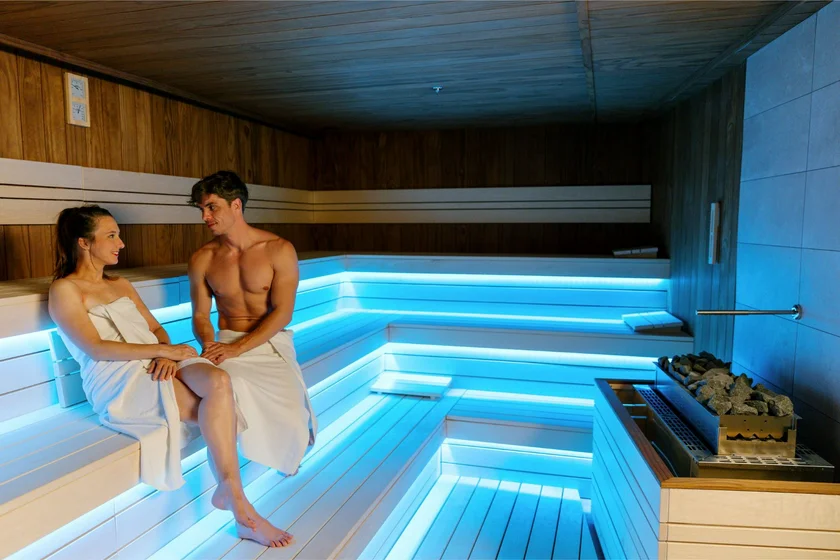
These programs often combine mineral-rich waters, therapeutic mud, and clinical care to tackle the underlying drivers of common skin conditions. We spoke with medical professionals at Ensana to learn how targeted spa programs are used to support clearer, healthier skin.
How medical spa doctors treat inflammatory skin conditions
Interest in non-pharmaceutical and holistic acne treatments has grown across Europe in recent years, particularly in regions with established spa traditions.
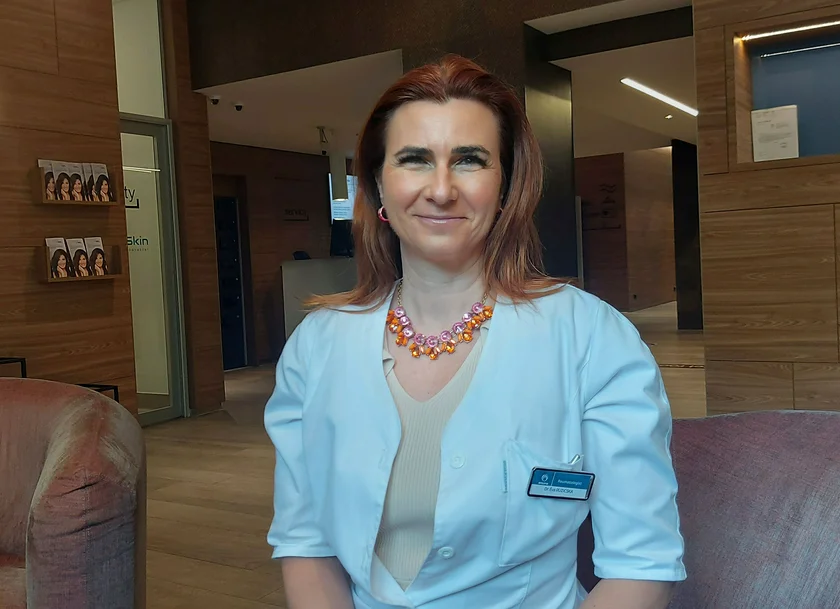
Dr. Éva Ruzicska, medical director for Ensana Hungary, explains that “wellness environments, particularly through balneotherapy and climatotherapy, can effectively treat chronic inflammatory skin conditions, such as psoriasis, eczema, acne vulgaris."
Backed by scientific research, medical spas can "leverage chemical, thermal, and immunological pathways," Ruzicska adds.
Sulfur-based treatments “act as keratolytic and antibacterial agents, reducing sebum production and suppressing Cutibacterium acnes activity," she adds.
Specialists at Ensana Aquahouse, situated along Bulgaria’s Black Sea coast, also address related concerns such as juvenile acne and chronic oily skin, which is often a contributing factor. Treatments are tailored based on the severity of inflammation, skin sensitivity, and how the condition responds to environmental factors like heat.
Natural spa therapies that ease skin conditions
In Hungary, the mineral-rich waters of Lake Hévíz, situated 200 km from Budapest along the northern slopes of Mount Keszthely, play a key role in Ensana's treatments for a range of skin conditions. The lake’s unique combination of sulfur compounds, radon, and humic substances is described by spa physicians as highly suitable for treating inflammatory skin conditions.
Hydrogen sulfide (H₂S), the primary bioactive form of sulfur in the water, is often considered in balneology as the “gold standard” in skin therapy, according to Ruzicska. It is absorbed through the skin and acts as both an antibacterial and a keratolytic agent, helping to smooth the skin and reduce breakouts.
Additional elements enhance these therapeutic effects. Humic acids found in the lake’s medicinal mud have antiseptic and immunomodulating properties, which help calm overactive immune responses in the skin.
Mild radon content may also stimulate cellular repair and improve circulation, supporting the healing of acne scars. Due to the water’s warmth, however, it should be used cautiously by those with active rosacea, warns Ruzicska.
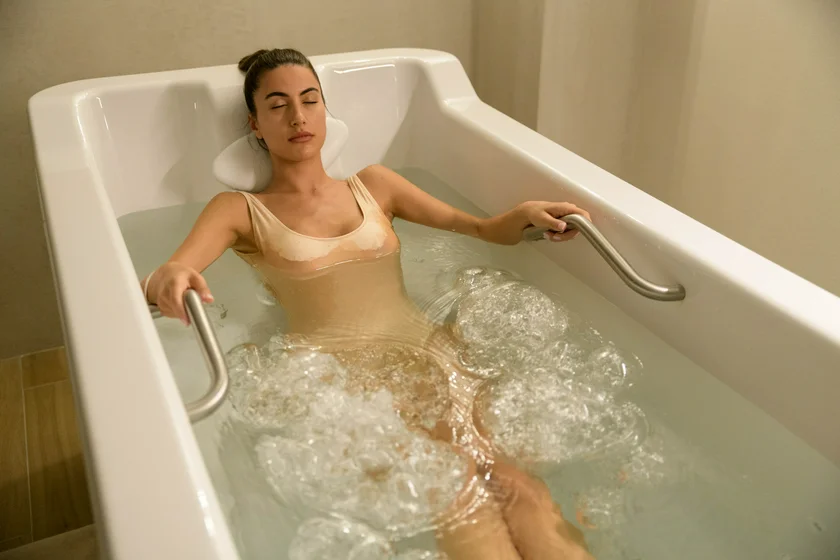
Treatments at Ensana Aquahouse draw on mineral water rich in anions such as sulfates and hydrocarbonates, which help soothe irritated skin. Hristiyana Kesarovska, the hotel’s senior physiotherapist and cosmetologist, says that Black Sea lye therapies and mud wraps add another layer of care, offering anti-inflammatory and antiseptic effects while deeply cleansing the skin.
Results can appear relatively quickly. Doctors at Ensana note that even after initial treatments, visible calming of the skin and reduction in symptoms can occur.
How to maintain skin health after a medical spa stay
The benefits of a spa stay don’t end when guests go home, but maintaining results requires consistency. Ruzicska emphasizes the importance of protecting the skin barrier and supporting its natural balance.
At home, she recommends using pH-balanced cleansers instead of traditional soap and applying moisturizers rich in ceramides and fatty acids to help lock in the benefits of mineral treatments.
Nutritional support also matters. Omega-3 supplements and probiotics can help sustain anti-inflammatory effects by supporting the gut-skin axis. Sun protection is another key step.
Strict sun protection (SPF 30+) is essential, as sulfur and thermal treatments can temporarily increase photosensitivity,” says Ruzicska.
Guests at Aquahouse, meanwhile, can continue care with medical-grade products like Black Sea lye-based cleansers and topical treatments, allowing them to extend the effects of their spa program at home.
Program lengths depend on the severity of the condition and are often used by people who have not seen results from standard topical or pharmaceutical treatments. Costs and treatment intensity vary by location and program type.
While Ensana is one provider operating across the region, similar approaches can be found in other Central European spa destinations. For those navigating stubborn acne or recurring skin irritation, a medical spa stay offers a structured, science-informed approach that blends dermatology with natural therapies, aiming not just for clearer skin, but for longer-term balance.