



 Reading time: 2 minutes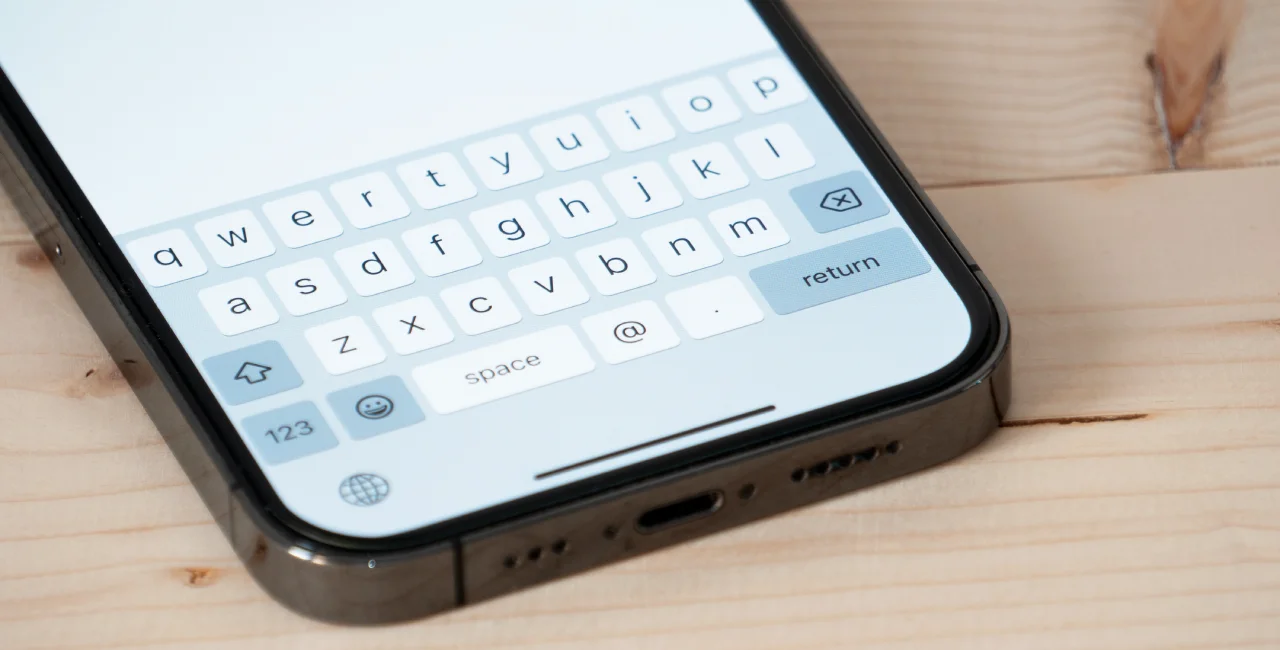

 Summary for: Czech diacritics and iPhone passwords: Don't get locked out in new update
A Czech keyboard character has unexpectedly become the center of an iPhone lockout case after an Apple software update reportedly removed the ability to input the standalone háček (ˇ) in certain lock-screen settings, leaving at least one user unable to access his device.
The issue, first reported by The Register, involves a change in Apple’s iOS software that appears to affect how special diacritic characters are handled on the lock-screen keyboard when entering alphanumeric passcodes.

Czech character could no longer be entered
The problem came to light after a 21-year-old university student in the United States updated his iPhone 13 from iOS 18 to iOS 26.4 earlier this month.
According to The Register, the student uses a longer alphanumeric passcode rather than a standard numeric PIN for added security. His passcode included a special character, the Czech háček (ˇ).
However, after the update, he found that the lock-screen keyboard no longer allowed him to input the character in the same way. While similar accent marks appeared, the háček itself could no longer be entered as part of the passcode. As a result, the phone would not accept the correct password, effectively locking him out of the device.
The situation is made worse by Apple’s security design. After a major system update, iPhones enter a state that requires the passcode before Face ID or external keyboards can be used. This means the user cannot bypass the lock screen using biometric authentication or alternative input devices.
Apple support staff reportedly advised that the only way to regain access would be to restore the device, which would erase all data stored on it. In this case, the user had not backed up his phone to iCloud, meaning personal photos and files would likely be lost if a reset were carried out.


Wider concerns and unanswered questions
The Register also reported that testing on newer iOS versions suggests the issue is not limited to a single device. While the Czech keyboard still displays the háček in general typing, it appears to be unusable specifically in lock-screen passcode entry fields.
Apple has not publicly commented on the issue, and it remains unclear whether the behavior is intentional or a software bug introduced in the update.
Experts note that other diacritic marks may be unaffected, but the removal of even a single character from password input systems can create unexpected lockouts for users relying on precise inputs.
For users in Czechia, where diacritics and háček-modified characters are part of everyday language, the case raises practical concerns about using complex characters in device passwords.
While incidents like this appear rare, they highlight the potential risks of relying on non-standard characters in system-critical authentication methods, particularly when software updates change input behavior without warning.