 Reading time: 4 minutes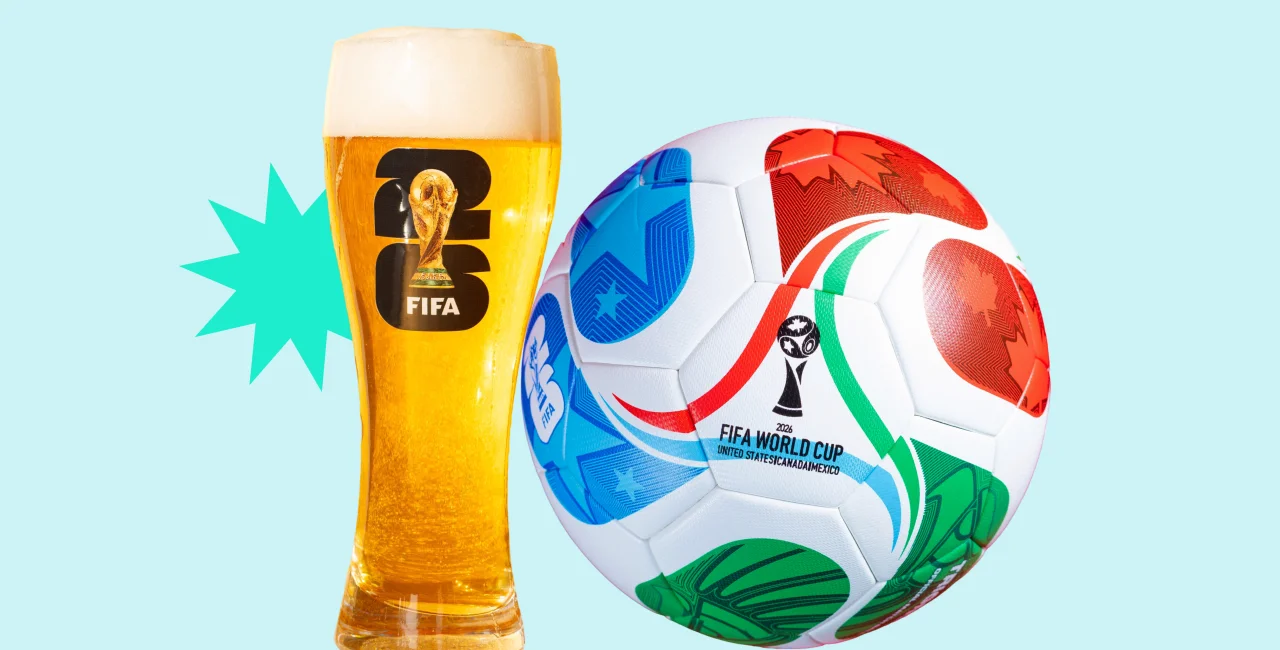

 Summary for: Czech officials blow the whistle on beer rules across US, Canada, and Mexico ahead of World Cup
At a press briefing today, the Czech Foreign Ministry issued guidance for Czech-based fans heading to the 2026 FIFA World Cup, which takes place from June 11 to July 19 across the United States, Canada and Mexico. The Czech national team will play group-stage matches in all three host countries.
The Foreign Ministry expects high interest from fans, however, said it does not yet have a reliable estimate of the number of travelers.

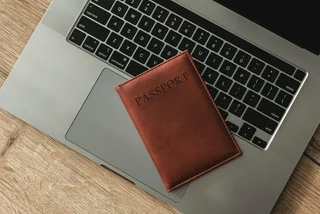
Foreign Minister Petr Macinka reminded fans to ensure they have valid travel documents and the appropriate entry authorizations, including ESTA for the United States, eTA for Canada, and the relevant transit visa requirements for the United Kingdom.
And in a written guide released before the briefing, the ministry also offered a playbook to World Cup fanzones across North America, presumably for people used to celebrating goals with beer, pyrotechnics, and occasionally questionable judgment.
All 48 qualified @FIFAWorldCup teams have finalised their Team Base Camp Training Sites ðŸ•ï¸
— FIFA (@FIFAcom) May 30, 2026
Spanning Canada, Mexico and the United States, these venues will play a vital role for the participating nations as they prepare for the biggest FIFA World Cupâ„¢ ever.
US: Beer but only where we say so
In the States, matches will be held in 11 cities across the country: Atlanta, Boston, Dallas, Houston, Kansas City, Los Angeles, Miami, New York/New Jersey, Philadelphia, Seattle and San Francisco. The World Cup final will be played at MetLife Stadium in East Rutherford, NJ.
For the US, the ministry’s guidance focuses largely on boundaries related to alcohol with the very first line of its guide reading: "The legal age for purchasing and consuming alcohol in the USA is 21 years. "
The US has a more regulated, venue-based drinking culture than much of Europe, so instead of parks/street drinking being normal (as it is in Czechia), the ministry's guide also emphasizes that If you’re holding a beer, not only should you be old enough to do it (and ready to prove it) but you should be somewhere that sells it.

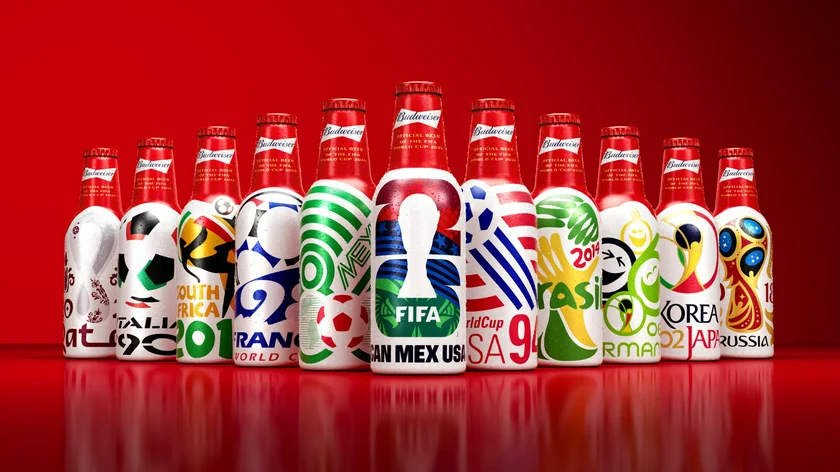
The same pattern repeats across other areas of fan-based fun. Drugs, including cannabis, follow a complex legal framework that varies by state but remains restricted at the federal level. Fireworks rules also vary city by city. Drones are restricted near stadiums as well, completing a picture of the US as a place where freedom comes with a lot of instructions.
Unwritten rules of being Czech in the US: In Czechia, the line between “public space” and “beer-friendly space” can feel flexible. In the US, it isn’t.
Canada: Rule sticklers and wallet snatchers
Thirteen matches will be played in Canada. The host cities in Canada are Vancouver (British Columbia) and Toronto (Ontario).
Advice for Canada comes as a bit of a surprise. Not only is the country a stickler for rules (the first line of the ministry guidance notes that “Canadian police forces take a strict stance on violating applicable regulations”) but it is also flagged for more practical risks during the tournament.
The guidance warns that theft may be more common in public spaces during major events.
“Theft on the street/in shops/transport may be a common occurrence during the championship. In transport, it is necessary to put your luggage in front of you, in restaurants, do not hang it on the back of a chair. It is advisable to divide your documents/finances/cards into several places.”
Visitors are also advised to prepare for high demand during the tournament, including the "risk" of significantly increased accommodation prices, particularly in cities such as Vancouver and Toronto. British Columbia is additionally flagged as a hotbed of natural hazards such as heatwaves and summer fires.
The good news? The guide notes that drinking rules are comparatively relaxed by North American standards, with the legal age set at 19 in most provinces, and 18 in Alberta, Manitoba and Quebec.
Unwritten rules of being Czech in Canada: Watch your wallet (in more ways than one) and remember that consular assistance does not cover “resolving a long-term lack of financial resources.”
The Czech Football Association also released its own handbook containing information and important contacts while issuing additional foreboding warnings about drink spiking followed by theft (Mexico) and the astronomnical cost of out-of-pocket healthcare (US) meriting the need for travel insurance.
Mexico: Small missteps, big consequences
Mexico will host 13 matches in the host cities of Mexico City, Guadalajara and Monterrey. Mexico will also host the opening match of the World Cup on June 11, 2026, at the Estadio Azteca in Mexico City.

Aside from warning of altitude sickness, the majority of the ministry's guidance is once again related to booze and public smoking. Officials makes clear that in places such as the state of Jalisco, public alcohol consumption is treated as an administrative offence, carrying penalties ranging from fines of 2,460–3,520 MXN (≈ 3,300–4,750 CZK) to detention for 25–36 hours or community service.
In Guadalajara specifically, “drinking alcohol and disturbing the peace” can also lead to fines of 1,760–3,520 MXN (2,400–4,750 CZK) and short detention.

For Mexico City, the advice is even more cautious: it is “not recommended to visibly consume alcohol in public,” with similar penalties of fines or detention for up to 36 hours.
Unwritten rules of being Czech in Mexico: The Mexican wave: yes. The Mexican wave with a beer in public space: where the problems usually start.
Just in case football enthusiasts abroad run afoul of the law, Foreign Minister Petr Macinka confirmed that Czechia is preparing enhanced diplomatic and consular support across North America during the tournament.
He also recommended registering in the DROZD travel system, the Czech Foreign Ministry’s emergency registration service.