



 Reading time: 4 minutes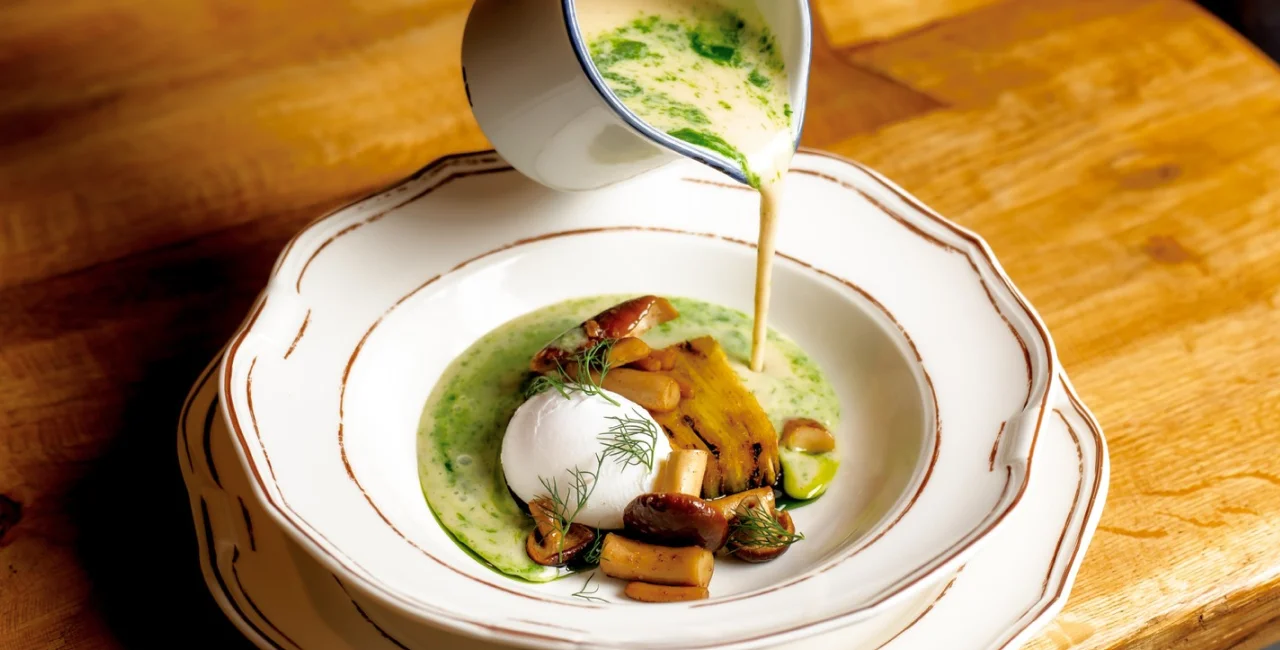

 Summary for: What makes Czech food taste Czech? Start with these 8 ingredients
Reading menus in Prague means learning the ingredients that give Czech food its depth, comfort, and sense of place. Harvested from fields, forests, gardens, cellars, and mills, the national cuisine relies on practical staples that have shaped home kitchens, pub menus, and modern restaurants for generations.
Many of these ingredients appear in kitchens across Europe and beyond, but in Czech cooking they take on a distinct identity, sprinkled, stirred, and spooned into endless dishes. We asked Marek Fichtner, executive chef at Červený Jelen, to share his knowledge of ingredients that are distinctly Czech.
Poppy seeds
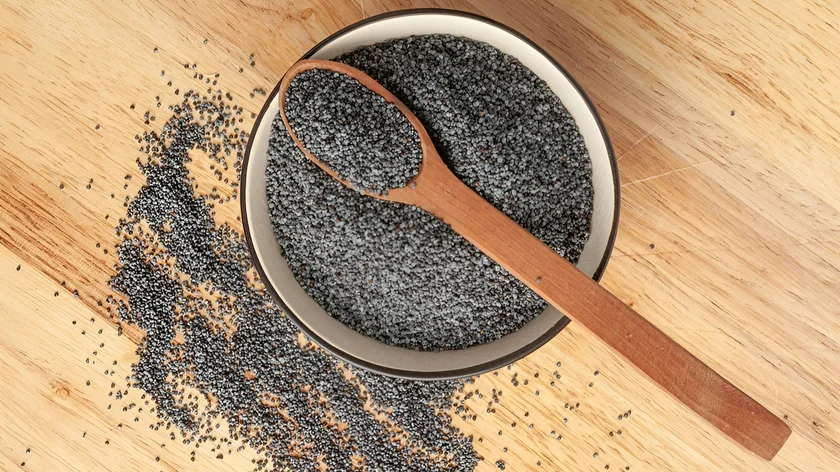
Poppy is not just a pastry filling here. Czechia has long been one of Europe’s major poppy-growing countries, with fields stretching from Central Bohemia and Vysočina to eastern Bohemia and Moravia. That local abundance helped make mák a fixture in home baking. Bite into many Czech cakes, rolls, and pastries and feel the pop of the seed undertooth.
“Most people think it is only for sweet dishes, but it has bitterness, too,” explains Fichtner. “When it is done well, it is the main part of the dish.” You’ll find it sprinkled on loupáčky (crescent rolls) and (maková kaiserka) kaiser rolls, and stealing the show in sweet dishes like nudle s mákem (noodles with poppy seeds) and makové koláče (poppy seed kolach).
Mushrooms
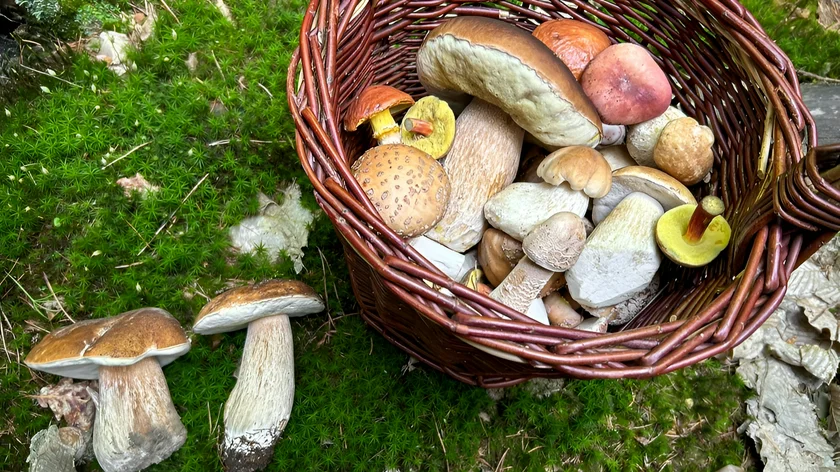
Czechia’s dense forests and damp weather make houba hunting a national sport. In a country where mushrooms are free to gather, plentiful, and practical, varieties like porcini, boletes, parasol, chanterelle and champignon appear fresh in dozens of dishes.
Dried mushrooms, however, have provided households with a way to carry the forest through the colder seasons. These have “a very strong flavor and give a lot of depth to soups and sauces,” notes Fichtner. Taste them in Czech dishes like kulajda (creamy mushroom soup), smaženice (mushroom and onion scrambled eggs), and hubník (mushroom bread pudding).
Caraway seeds
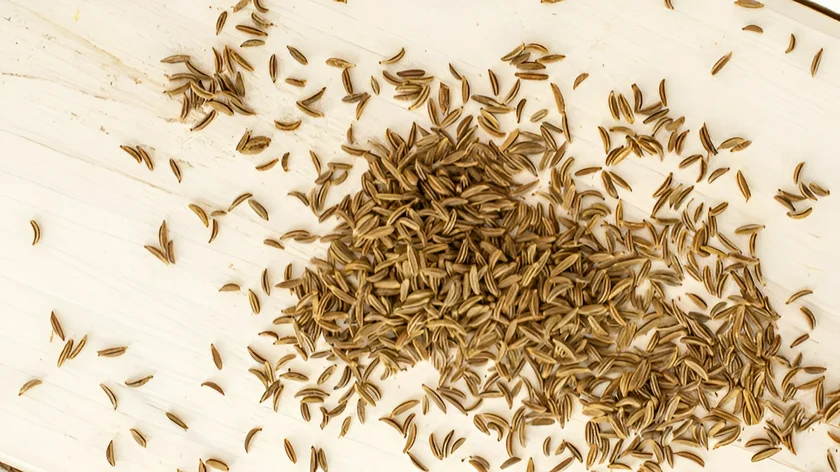
“Caraway is one of the most important spices for us,” emphasizes Fichtner. “We use it almost everywhere.” Kmín brings its characteristic pungent and licoricey flavor to many local favorites, and tastes Czech because it sits at the crossroads of the country’s staple foods: bread, pork, potatoes, and soups.
It also suits heavier cooking, adding a sharp, aromatic lift to roast meat, potato pancakes, and rye-style breads, and, according to Fichtner, “helps with digestion.” Examples include kmínová polévka (caraway soup), vepřová pečeně (roast pork), and bramboráky (fried potato pancakes).
Marjoram
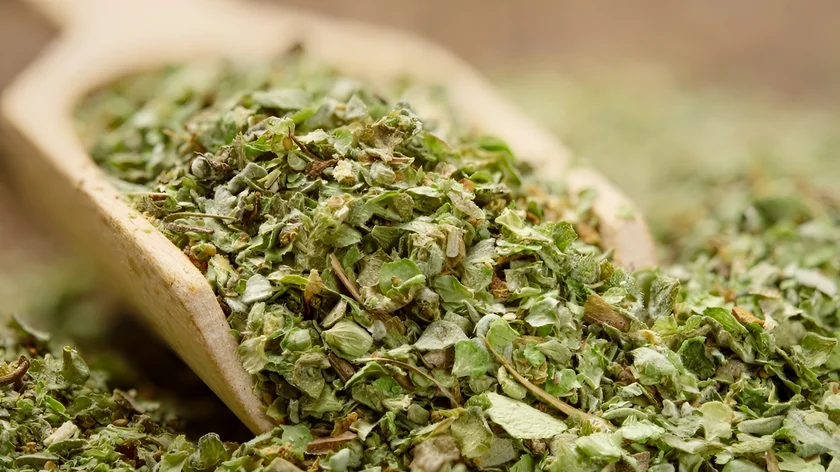
This aromatic, perennial herb fills gardens, greenhouses, and windowsills throughout Czechia. Majoránka’s slightly bitter taste pairs well with pork, garlic, potatoes, and legumes, and is especially prominent during pig slaughtering season.
“It gives a nice herbal flavor and makes the dish rounder,” Fichtner explains. The herb features in dishes like česnečka (garlic soup) sekaná pečeně (meatloaf) and houbový kuba (mushrooms and barley).
Horseradish
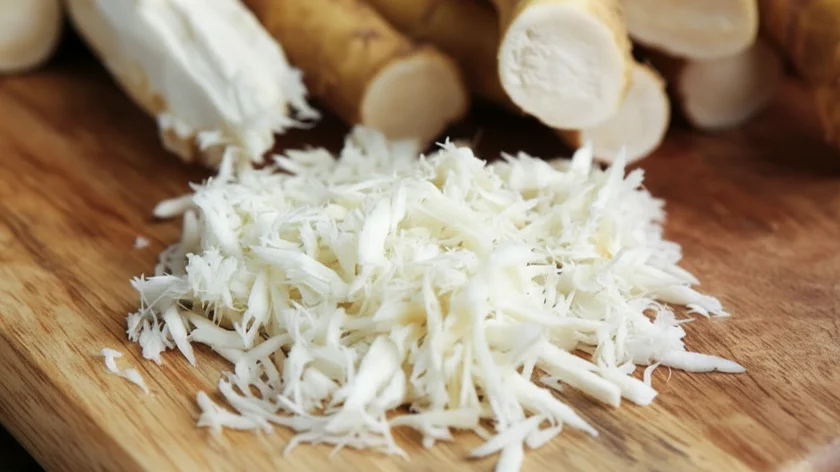
Horseradish has a local Czech story, too. Malín near Kutná Hora was once famous for Malínský křen, prized for sharpness followed by sweetness. For Fichtner, “Horseradish is strong and spicy, but in a clean way. It is very good with fatty meat because it makes the dish fresher.”
Its nose-clearing punch is typically used as a complement condiment. Křenová omáčka (creamy horseradish sauce) accompanies meat and dumplings, vepřové koleno (pork knuckle) takes it finely grated, while Pražská šunka (Prague ham) is often served with whipped křenová pěna.

Coarse flour
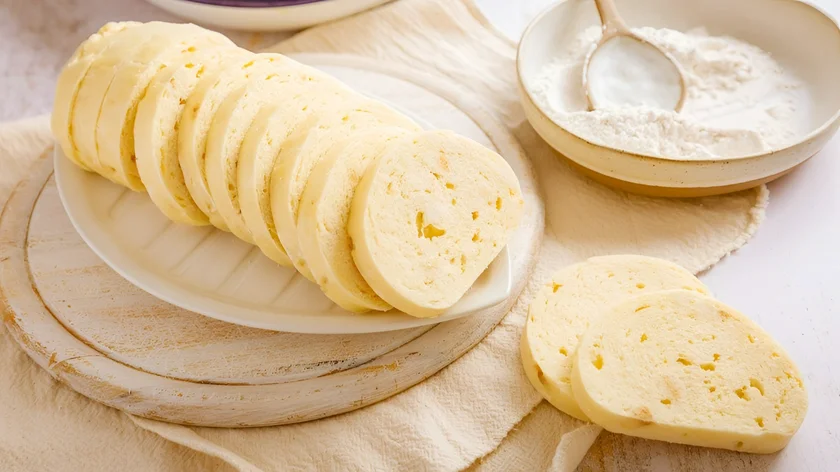
Foreigners searching for all-purpose flour are usually floored when standing in the baking aisle of a Czech grocery store. The dozens of flour types found here make it tough to recreate baked goods from home, but ask any Czech and they’ll tell you exactly how and why each one is used.
For Fichtner, hrubá mouka has no equal. “I have not found such flour anywhere in the world,” he enthuses. The large grains boil well, especially in the houskové knedlíky (bread dumplings) and ovocné knedlíky (fruit dumplings) that sponge up those final smears of goulash. It also adds body to poppy seed noodles and Šunkofleky (ham and noodle casserole).
Tvaroh
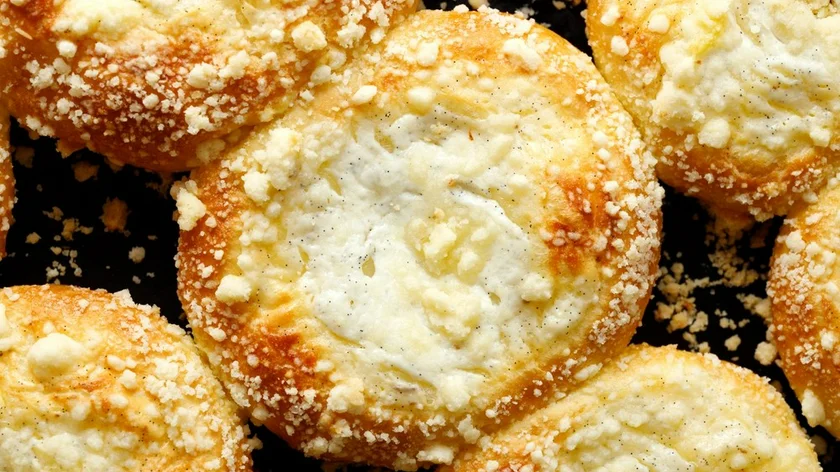
Fresh, mild, affordable, and flexible, tvaroh might translate as “cottage cheese,” but it’s closer to quark. It’s easy to use without needing to age, and comes in tvrdý (hard), jemný (creamy) and měkký (soft) versions.
“It is simple but flexible,” Fichtner highlights. “You can use it in sweet or savory dishes.” Find the soft in kolach, creamy in tvarohové placky (farmer’s cheese pancakes), and hard in nudle s tvarohem (farmer’s cheese pasta).
Sauerkraut
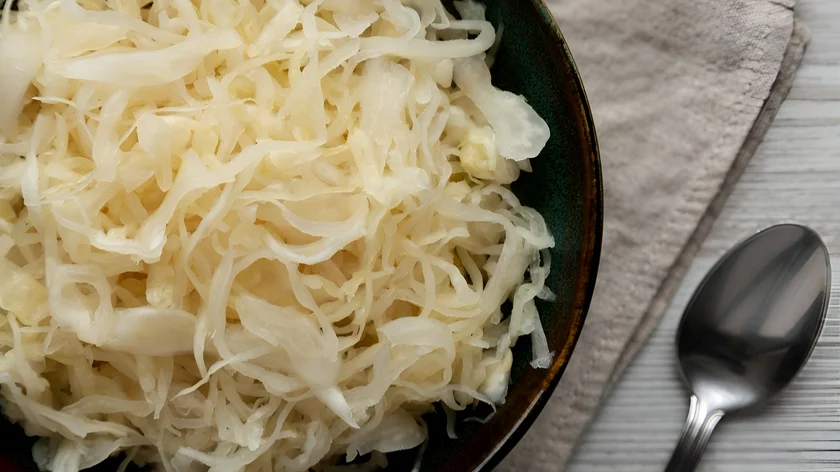
Sauerkraut has long solved a winter problem in Czech kitchens. Fermenting cabbage turned a common crop into something that could be stored, cooked, and served with fatty meats. Regional versions, including Bolehošťské kysané zelí and Nošovické kysané zelí, also show that fermented cabbage is tied to specific Czech growing areas, not just generic Central European cooking.
“I grew up on sauerkraut,” Fichtner recalls. The Czech version, kysané zelí, comes creamy, stewed, and spiced with caraway. Braising with onion and bacon is also common. “It works very well with meat,” he adds, and is a regular companion of vepřo knedlo zelo (roast pork and dumplings), zelňačka (hearty sauerkraut soup), and segedínský guláš (pork stew with cream).

Simple ingredients, strong cuisine
Whether it is scattered over koláče, dried from a forest haul, stirred into soup, or served beside roast pork, Czech food often starts with ingredients that made sense long before they became menu staples. “Czech cuisine is simple but strong,” says Fichtner. “It is about good ingredients and knowing how to use them. When you do it right, you don’t need to make it complicated.”