


 Reading time: 5 minutes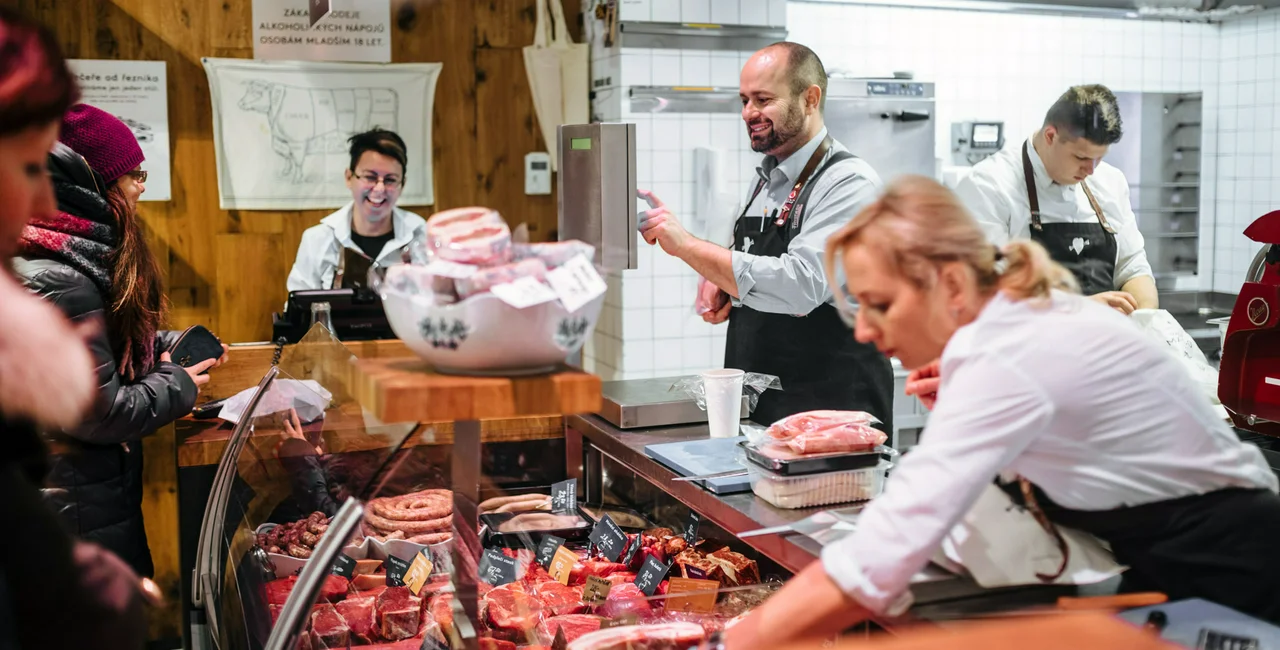

 Summary for: This 'meat map' is your Czech butcher cheat sheet
I always feel like I’m entering a small, serious theater of meat whenever I walk into a Czech butcher shop, with so many deliciously distracting sights, sounds, and smells. But the amount of protein on display here is overwhelming for someone who is very used to buying pre-prepared products directly from the supermarket meat aisle (shoutout to the Brooklyn Navy Yard Wegmans).
Someday I’ll be able to order with the confidence of someone who has been making svíčková since birth. Until then, I’ve got Atlas mas.
The online guide is what its name promises: a map of meat. Or, more specifically, cuts of Czech beef, where they sit on the animal, what they are good for, and how to cook them. The map has recently been translated into English, and for expats who haven’t quite mastered the food vocabulary chapter of their Czech language course, it can be a useful tool for upping their kitchen skills.
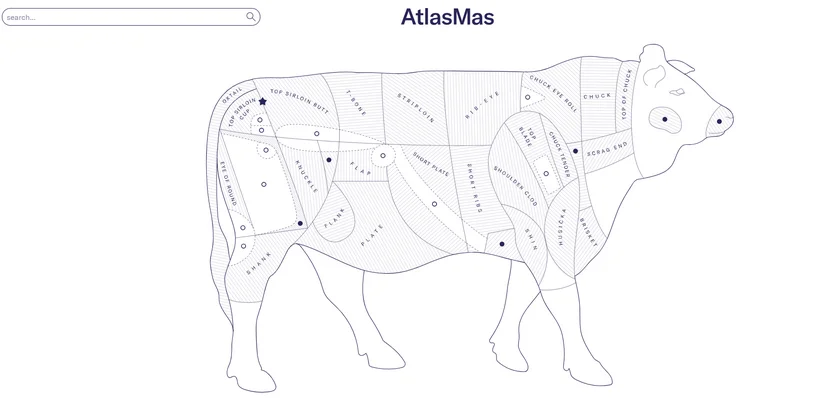
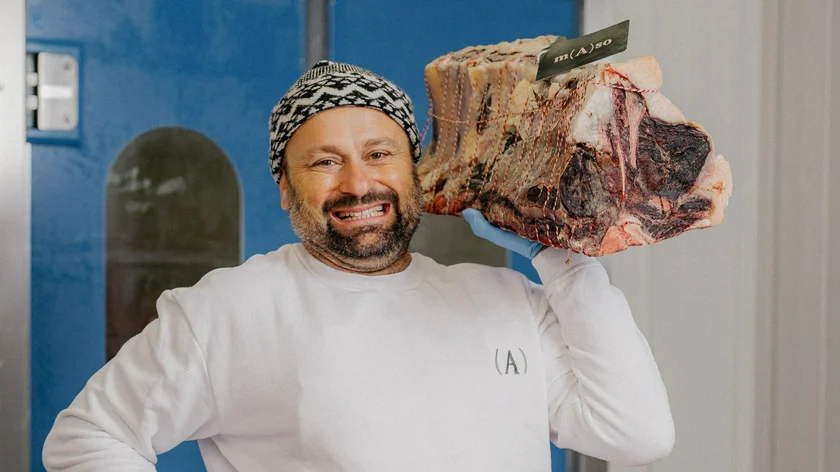
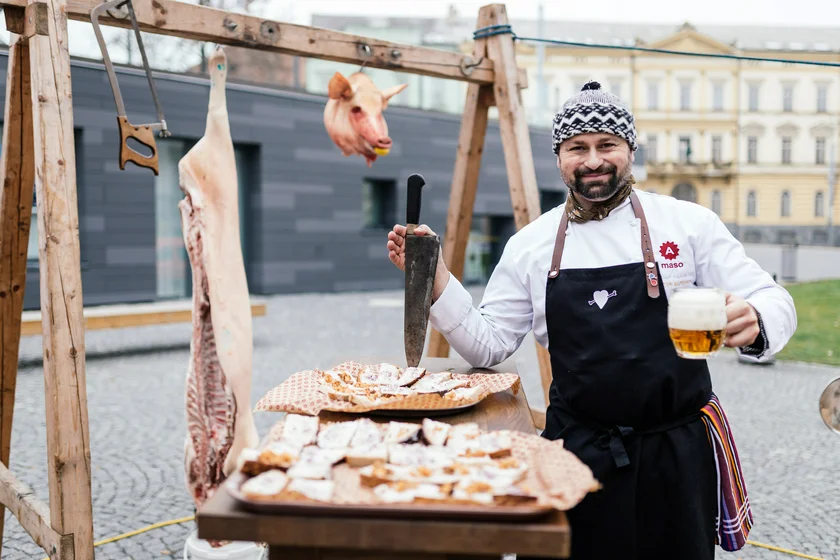
“We created Atlas mas for restaurant guests, butcher shop customers and anyone who wants to learn more about meat,” explains František Kšána, the master butcher at Amaso, who helped create the guide. “We want to inspire them and show them how meat can also be processed and used.”
Along with helping me learn my way around a fine piece of Czech beef, Kšána gladly shared more insights on the culture of Czech butchery. Here’s how you can find your own pathway from burger flipper to master griller, one cut at a time.
Czech butchery “carving out” its place in the world
Old-school butchers are a rarity in the U.S. Livestock farms might be located in one state, meat might be processed in another, and then it all gets driven across the country to your local supermarket shelf. It was never really clear when my items were cut, packaged, or realistically put on display, because there usually wasn’t a butcher to speak to.
Even in countries like Argentina or France, beef is often cut with steaks and quick-cooking in mind. In Czechia, Kšána proudly shared that people still tend to cook from scratch, which means local butcher shops mostly sell fresh, plain meat without much prior processing. They often work with portions suited to long, slow dishes such as goulash, svíčková, or španělští ptáčci.
Customers also don’t always ask for a specific cut by name. More often, they explain what they want to cook and ask the butcher what to buy, Kšána explains. Atlas mas provides a little more support for culinary newbies by describing individual beef cuts in detail and giving practical advice on how to prepare them.
The online guide makes purchasing meat in Prague easy, but foreign residents can still get caught up in the pageantry of a carnivorous display. Kšána says looks are secondary, and that your nose will know.
“It has to smell amazing in a butcher shop,” he explains. “Ideally, your mouth should immediately start watering and you should get an instant craving for meat.”
It’s perfectly fine to ask the butcher for their professional take, such as how much meat to buy for the number of people you’re cooking for. “In a high-quality butcher shop, such as Naše maso, they will gladly advise you on the ideal cut of meat for your recipe,” Kšána assures.
Ask questions, get recommendations, and let the pros take the lead.
Cuts that feel distinctly Czech
A fun culinary challenge for me is using parts of an animal that feel less familiar. I’ve eaten sheep’s head in Iceland and bull testicles in Serbia. Which parts of a cow are exceptionally popular in Czechia, but rarely consumed elsewhere in the world?
Atlas mas pointed me to the “scrag end,” the muscle in the front lower part of a cow’s neck, ideal for slow cooking, braising, making strong broths or ground-meat blends. Apparently it’s not so well-known because “butchers keep it for themselves!”
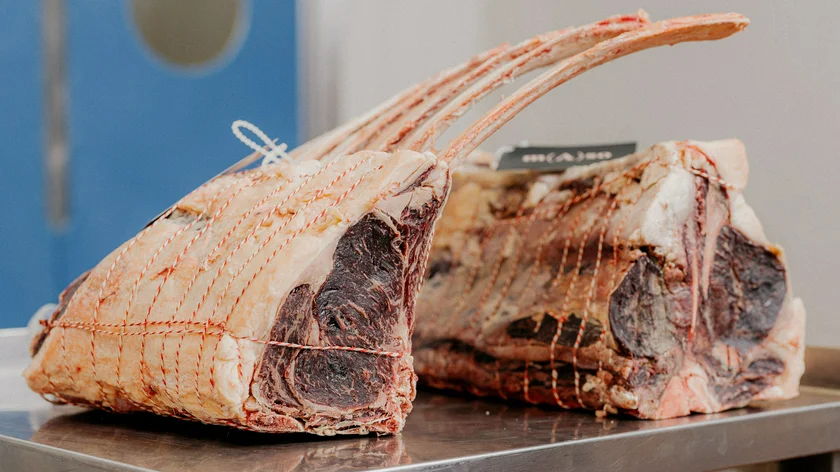
The ox muzzle is used in a “slightly sour ox muzzle salad,” and beef heel is great for pulled beef dishes. Husička (“small goose”) is a specialized Czech butchery term for the front part of the beef shoulder, often divided into smaller parts for different uses.
“Our preferences are historically shaped by our love for sauces and roasting meat,” Kšána explains. "This is how we prepare, for example, top blade beef steak, through the center of which runs a thick, flat tendon. It is this collagen-rich tendon, which softens during long cooking, that gives the sauces their richness and more distinct flavor.”
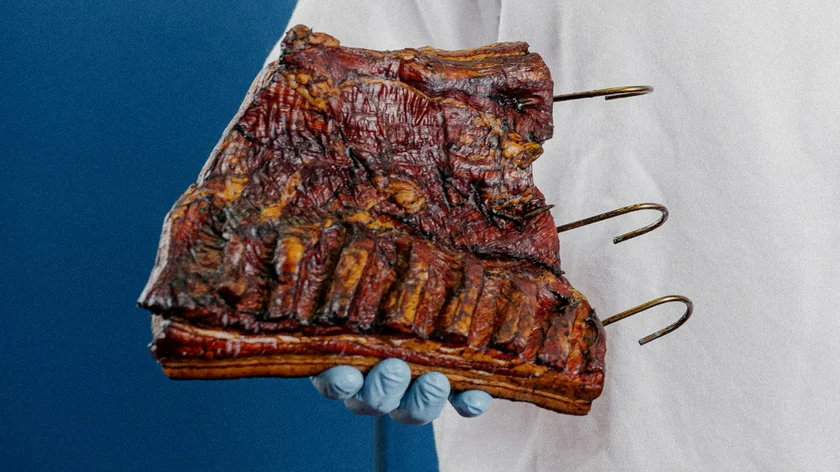
Czech cooks also swear by roasted pork belly with the skin on. The skin crisps, the fat renders, and the meat stays juicy underneath. “The same logic applies to roasted pork knuckle, which becomes tender enough to pull apart after long cooking,” Kšána adds.
“We know how to utilize other parts of the animal, such as oxtail, pig's trotters, or ears,” he elaborates. “You usually won't find these in butcher shops abroad.”
Kšána named additional parts that may be less familiar to international residents but are deeply at home in Czech butcher shops: lard, pork cracklings called škvarky, liver, heart, kidneys.
What to bring to the Czech BBQ to impress your hosts
Now that you are a Czech maso pro, it is time to put your skills to the test. You have been invited to a friend’s chata for the weekend. What are you bringing to show gratitude without showing up with the wrong sausage?
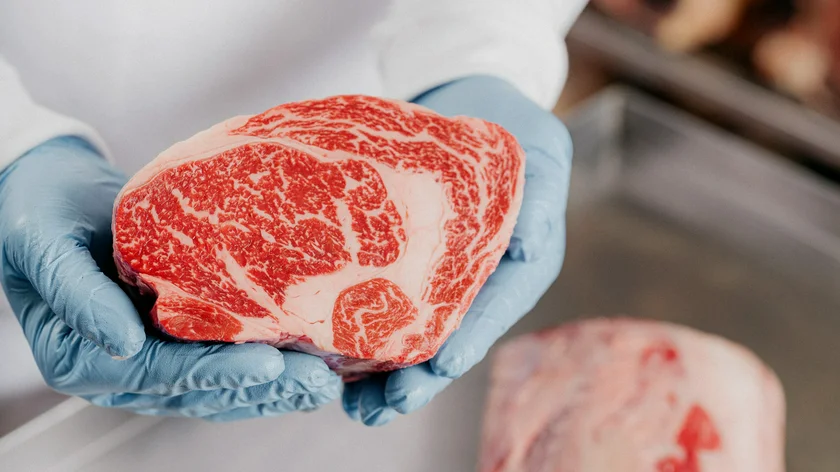
“Definitely the pork from Přeštice black-pied pigs,” Kšána says. “This breed is completely unique because the fat is stored directly within the muscles, creating fine marbling. During grilling, this marbling acts as an internal heat distributor. The veins of fat melt, lubricating the meat and ‘confiting’ it from the inside.”
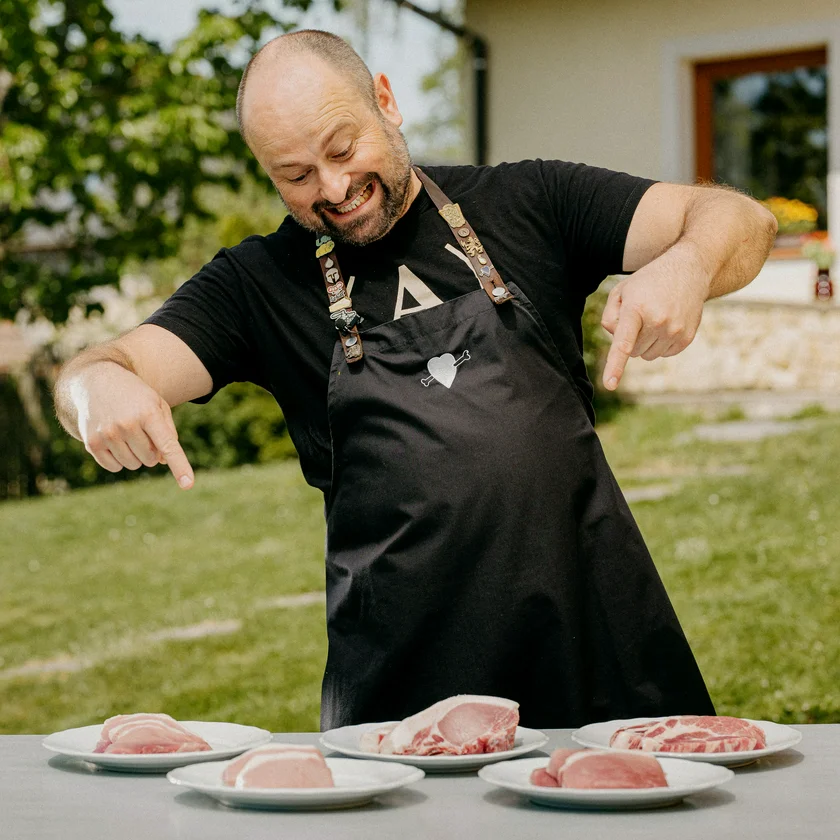
Pork neck, or krkovice, is another smart call. It is forgiving on the grill, full of flavor, and instantly recognizable to Czech hosts as someone who understood the assignment.
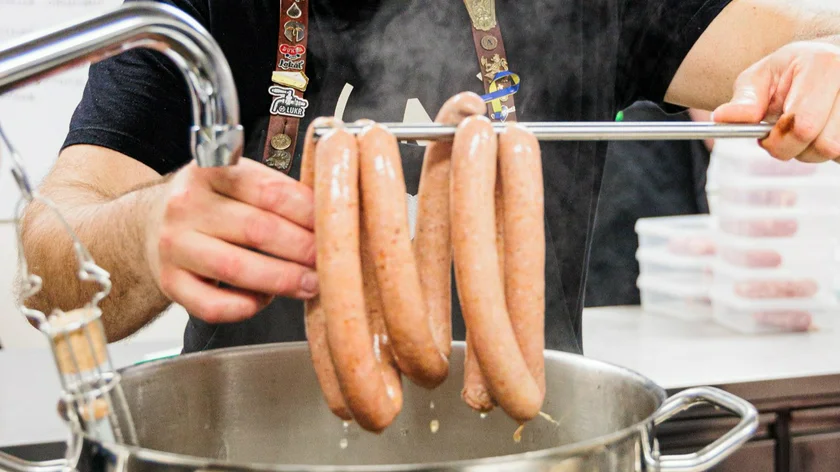
Kšána adds that “no proper Czech barbecue can do without traditional sausages called špekáčky.”
For something more elevated, go for a steak from dry-aged Czech beef. At Amaso, beef matures for a minimum of 50 days and comes from heifers and steers raised on Czech farms, “which also boasts higher marbling” according to the master butcher.
In Czechia, meat has its own language. Atlas mas is one of the easiest ways to start speaking it, helping you understand what to buy, why it matters, and how to turn a mystery cut into dinner.