



 Reading time: 5 minutes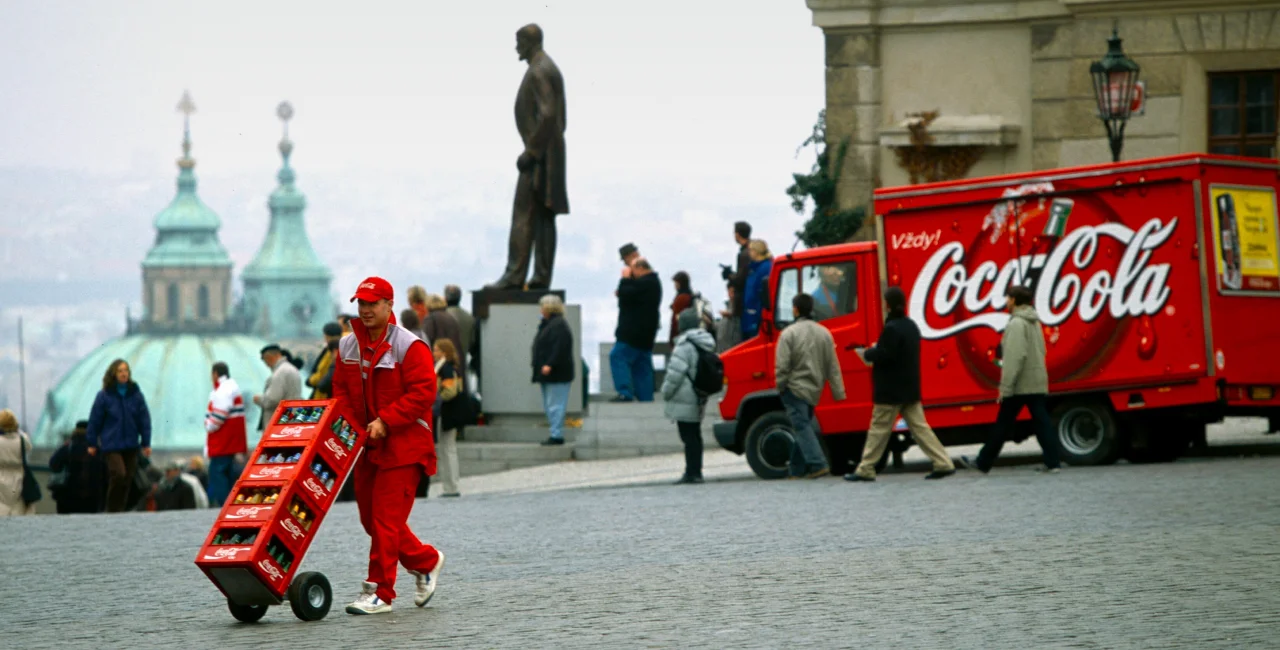

 Summary for: How a forbidden American drink became an everyday staple in Czechia
If there is one drink that springs to mind when you think of Czechia, it’s beer. If there’s a second, it’s probably absinthe. But Czech drinking culture has never been only about alcohol. For generations, a well-known soft drink with American origins has also been part of potraviny shelves, restaurant tables, family gatherings, road trips, and small moments.
These days, Coca-Cola is everywhere. But it wasn’t always so easy to find.
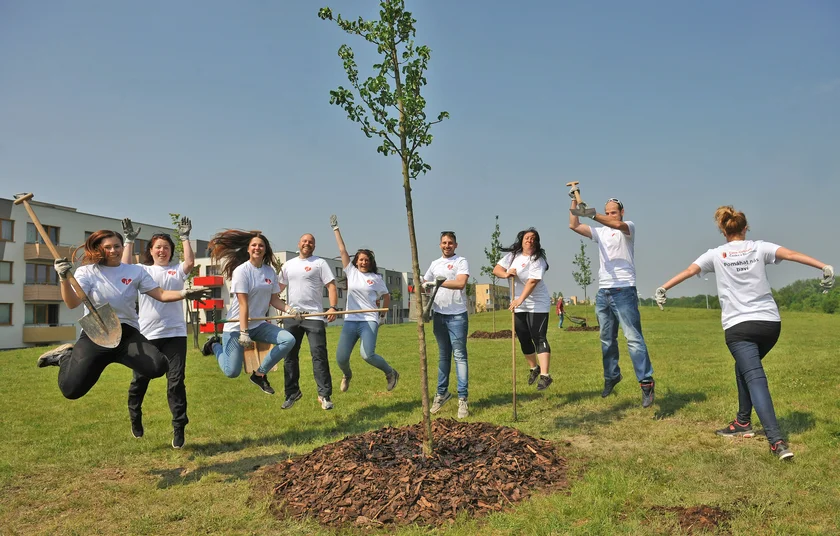
For the last 55 years, locals, foreigners, and everyone in between have been able to enjoy a crispy Coke across the country. The local impact goes beyond the glass, however; Coca-Cola HBC Czechia and Slovakia employs 976 people from 15 nationalities, and more than 11.6 percent of employees have worked at the company for over 25 years.
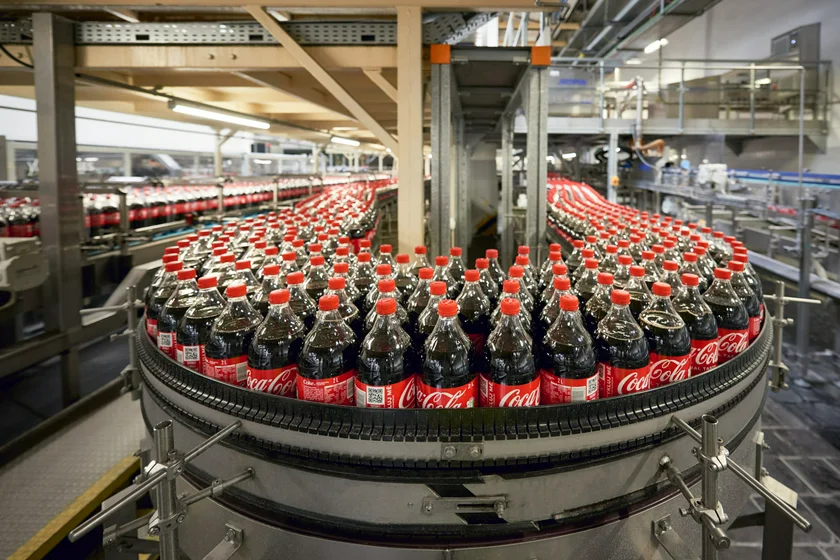
It’s a reminder that the brand’s local story is also a workplace story. To celebrate, Coca-Cola has launched its “Made By” campaign, highlighting its employees while also looking back at the soda’s deep roots in modern Czech history and industry.
War, revolution, political maneuvering, and changing consumer habits all played a part in this global drink slowly becoming a cultural standard, according to information the company shared with Expats.cz. So crack open a cold one of whatever you prefer, and enjoy a brief look at how the Czechia you love today was, in part, shaped by a soda company.
War, communism, and how Coca-Cola came to Czechia
The U.S. might not have liberated all of Czechoslovakia in World War II, but it certainly introduced some new tastes. Like everywhere American soldiers went, they brought goods such as candy, chocolate, and Coca-Cola. The drink quickly became associated with America, freedom, and a different way of life.
The feelings of hope were fleeting. Czechoslovakia may have been free of Nazi rule, but unfortunately, “democracy” wasn’t really en vogue politically at the time.
–Antonín Novotný, elected first secretary of the Communist Party of Czechoslovakia in In 1953.“Volkswagen and Coca-Cola must not enter the republic.”
Novotný made good his declarations with strict restrictions on the import of Western goods. In some parts of the country, Coca-Cola was even informally exchanged for Pilsner beer, a small detail that says a lot about how unusual, desirable, and politically loaded the drink once seemed.
According to historian Martin Franc of the Masaryk Institute and Archives of the Czech Academy of Sciences, there was still one way people could get their fix: “Only its import into Tuzex was allowed, a network of shops where people paid with so-called bony or Western hard currency.”
By the 1960s, Coca-Cola was also appearing at Prague’s Dům potravin on Wenceslas Square, where it was sold poured from cans into glasses. Two deciliters cost CZK 3.90 at the time, which made it a fairly expensive drink, positioned as a premium product rather than an everyday refreshment.

The restrictions did little to diminish its reputation. If anything, Coca-Cola’s desirability only increased. It attracted attention at the Ex-Plzeň food exhibition, and received celebrity endorsements from people like famous singer Eva Pilarová, who said Coca-Cola with a shot of lemon was one of her favorite treats.
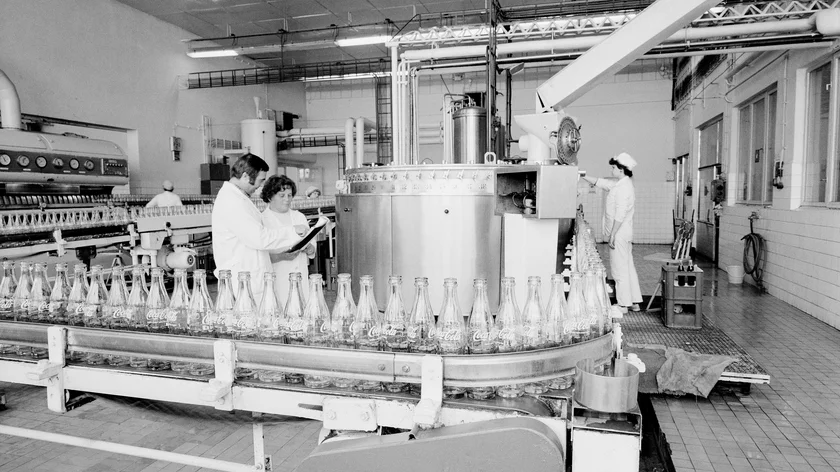
By the second half of the 1960s, even the most hard-line socialist couldn’t resist the flavor any longer. The turning point came in 1971, when licensed production of Coca-Cola began at the Fruta Brno plant in Modřice near Brno, using the original imported concentrate. One of the best-known Western products was now officially being produced in socialist Czechoslovakia.
That year, the Brno plant produced 18,439,140 liters of beverages. Period campaigns targeted mainly young people, with slogans such as “Coca-Cola, that’s it!” and “Koka kola refreshes best!” becoming widely known.
Coca-Cola remained a premium product for many years, sold mainly in Interhotels and better restaurants. The glass bottle became an icon, just like the taste itself.
From scarcity to everyday life in the 1990s and 2000s
After the Velvet Revolution, Coca-Cola transformed within a few years from a rare treat into a commonly available one. What had once symbolized the distant West became part of the new era of an open market, changing shops, and shifting consumer habits.
Larger PET bottles arrived in stores. The product range expanded. New flavors and sugar-free options followed, reflecting changing lifestyles and growing demand for drinks that offered more choice.
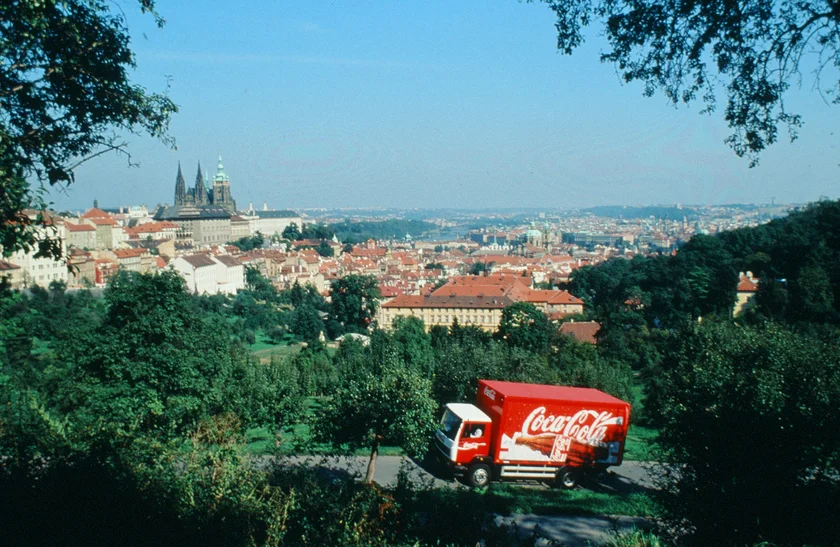
In 1993, Coca-Cola further cemented its place in the region by opening a production plant in Prague-Kyje. From there, the company’s local story moved into a new phase, one focused on scale, modernization, and a growing beverage portfolio.
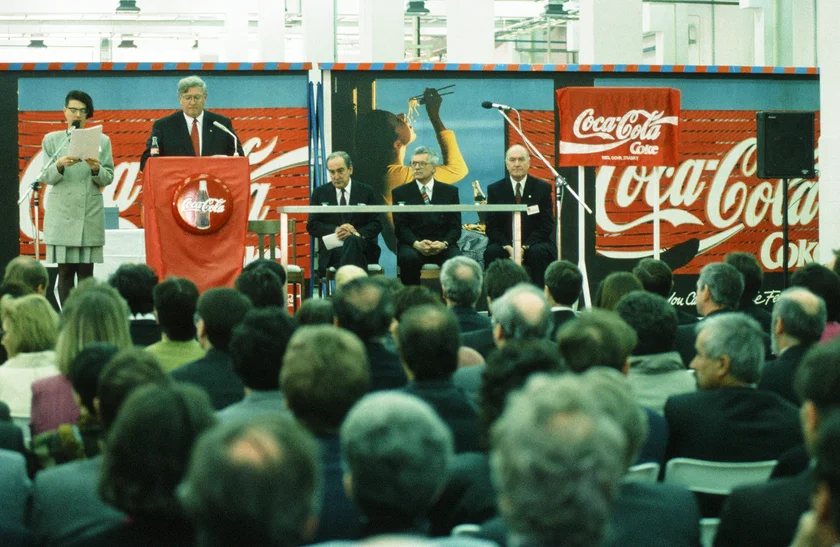
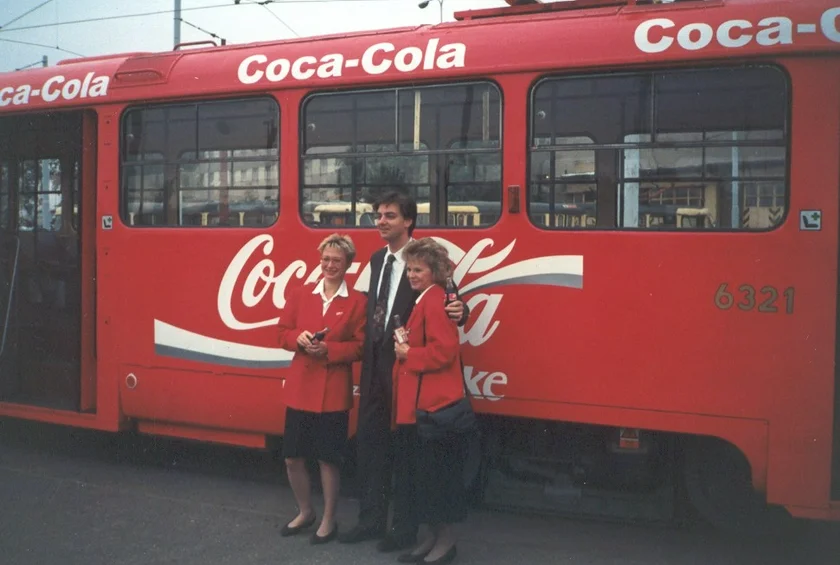
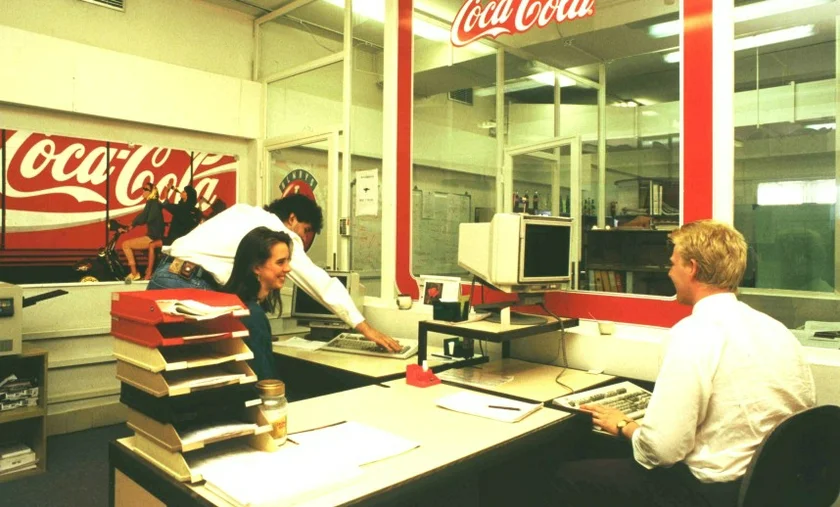
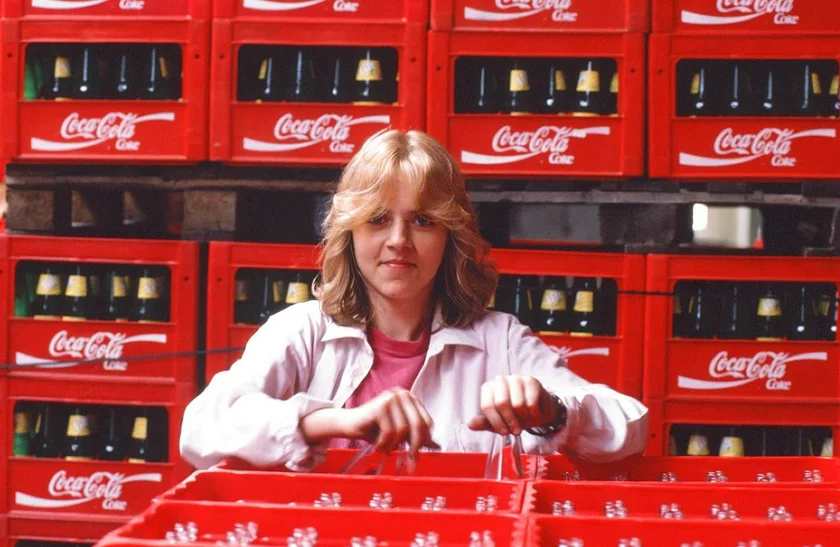
In 2025, production at the Prague plant reached 415,997,728 liters, while total beverage sales in Czechia and Slovakia reached 470 million liters.
The company has also continued to expand across categories. In 2025, sales of Costa Coffee and Caffè Vergnano coffee exceeded 41.6 million cups, while sales of premium alcoholic beverages reached 3.4 million liters.

Today, Coca-Coal is a global brand with local roots
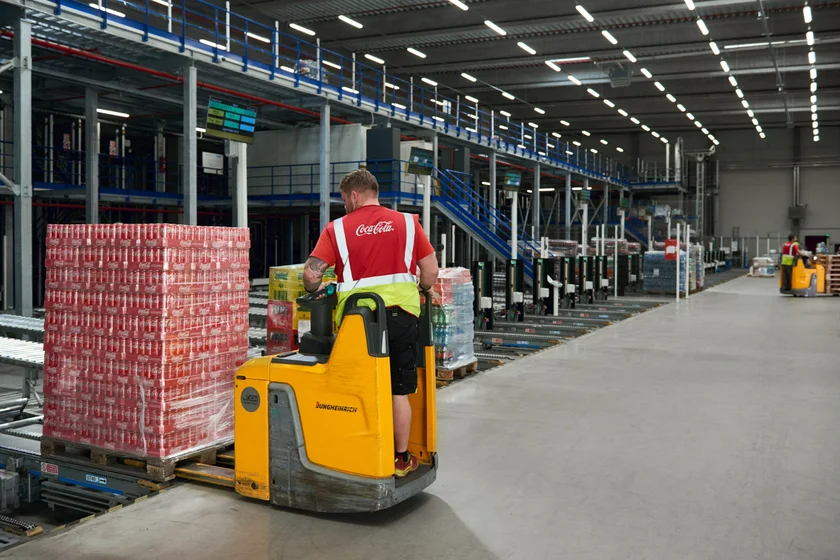
In recent years, Coca-Cola in Czechia has built not only on tradition, but also on modern technology and sustainability. In 2021, Coca-Cola HBC Czechia and Slovakia invested half a billion crowns in a fully automated warehouse in Prague-Kyje, designed to improve logistics and support the further development of the production plant.
Two years later, a wetland was created directly at the Prague-Kyje production site. The project retains rainwater from industrial roofs and returns it to nature, supporting biodiversity and sustainable water management.


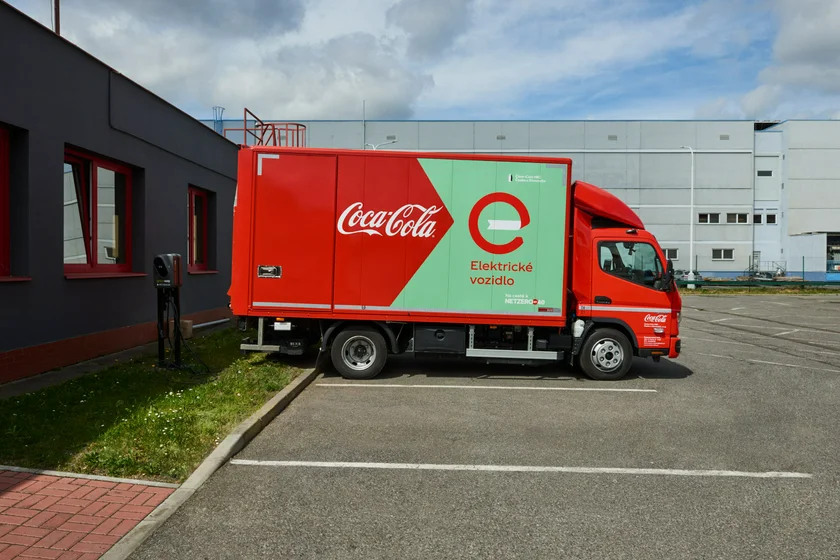
The company says its two production plants used an average of 1.50 liters of water per liter of beverage produced, its best result to date.
That local production base has become central to how Coca-Cola talks about its role in Czechia. “We are not just a distributor, but also a producer with a long-term connection to the region,” states Pawel Ozierski, commercial director of Coca-Cola for the Czech Republic and Slovakia. “Over that time, Coca-Cola has become part of the lives of several generations, and we want to continue building on this tradition in the future.”
“For us, the anniversary celebration is not just a look back at history,” he continues, “but above all an impulse to look ahead, seek new innovations and ways to remain a natural part of everyday life, and not only for our consumers.”