




 Reading time: 4 minutes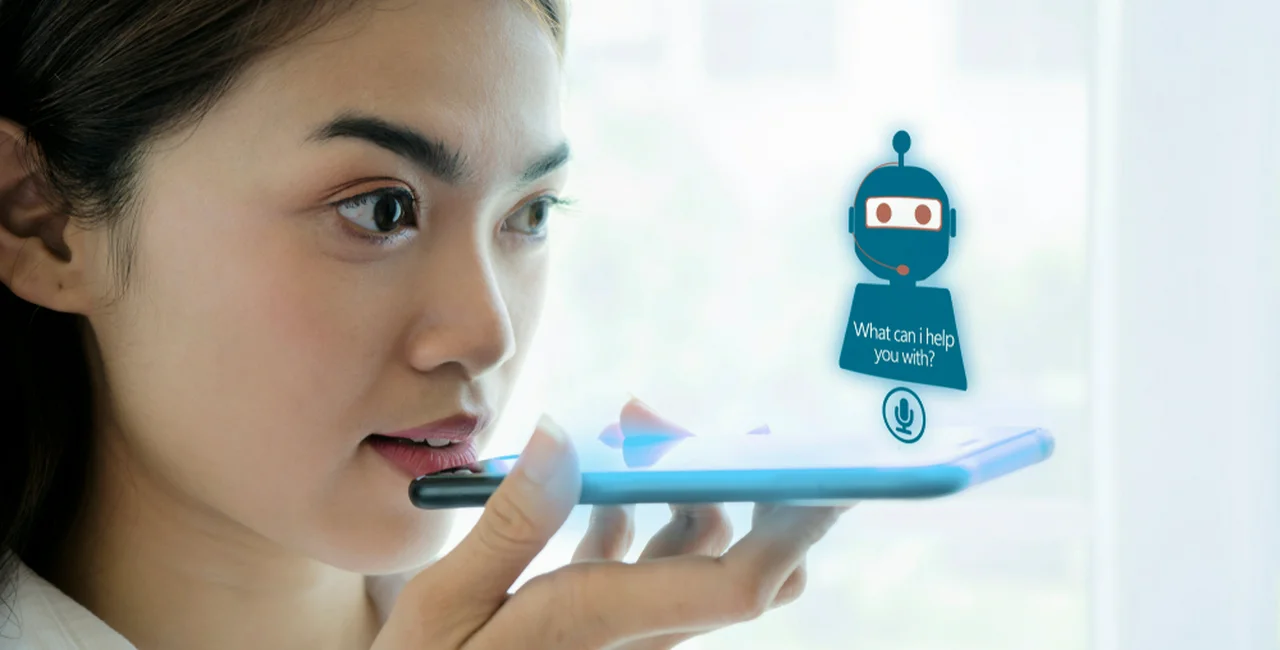

 Summary for: Rage against the machine? How voice bots are transforming customer service in Czechia
How do you feel when you call a customer service helpline and, instead of being answered by a person, you find yourself in conversation with a robotic, automated voice? For many of us, a sigh and a roll of the eyes is the typical response.
Automation means the days of incomprehensible phone calls and futile attempts at understanding across language barriers may finally be over, but that doesn’t mean the technology is perfect. As AI voice bots become an unavoidable feature of customer service in Czechia, it’s clear they’re having a unique impact on expats as well.
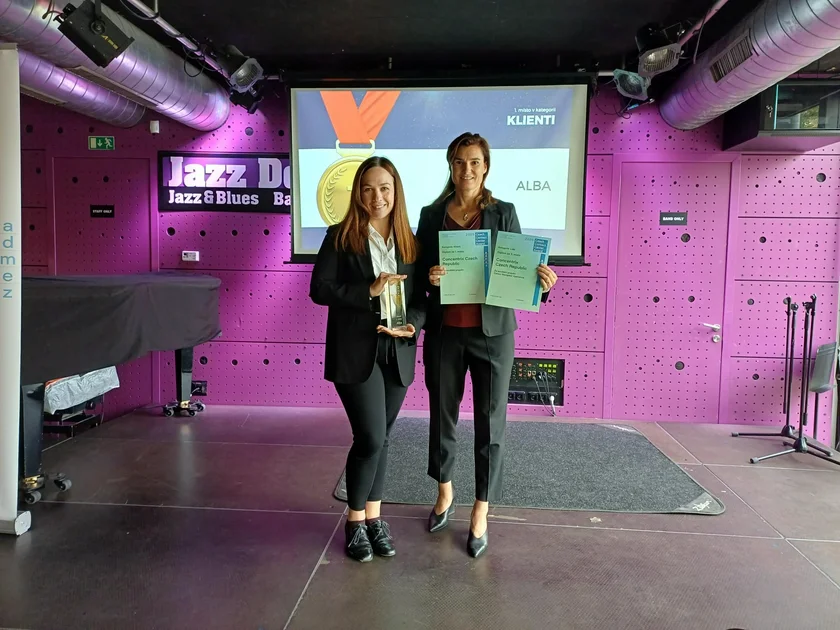
We sat down with Lenka Tichá, Site Leader for the Czech Republic and Slovakia at customer experience provider Concentrix, to learn more.
Czechs rage against the machine
“Based on research which we have conducted with clients, almost 80 percent of Czechs entering a queue for customer service become very negative if they hear a bot answer the phone,” Tichá says. “They want to be immediately transferred to a real person, and if they hear a bot repeating information that they can find on the internet, it can destroy the company’s reputation.”
Understandably given this context, many companies are hesitant about switching to voice bots too quickly. Tichá points to the example of one Czech online retailer which, despite programming its voice bot for six years, still only allows it to handle 20 percent of customer requests.
“In Czechia, customers tend to have very high expectations when it comes to customer service, and low tolerance for poor automation," she adds. “If a bot does not add clear value quickly, people naturally prefer to speak with a human agent.”
Lenka Tichá Site Leader for the Czech Republic and Slovakia, Concentrix“In some of the research and client environments we have seen, customers rate the same information differently depending on whether it comes from a bot or from a human agent. That shows how important trust, tone and escalation are when designing AI-powered support.”
The impact ripples across generations. Tichá says that even younger customers, who often adapt to new technology quicker and with more tolerance, “get frustrated when bots repeat publicly available information.”
Bots break down barriers for expats
While Czechs remain skeptical about interacting with voice bots, expats, who are typically acquainted with the peculiar perils of awkward Czech phone conversations, usually feel different.
Tichá says that the technology is capable of solving a very real problem: language barriers. “Plugging in any language is no problem for bots, although further prompting may be needed to teach international bots the intricacies of the Czech language,” Tichá points out. “We provide bots in Czech and English, as people who don’t speak Czech will typically speak English.”
By combining the multi-lingual capabilities of bots with skilled human agents, companies can provide more accessible support than ever for expat customers.
“Looking ahead, human agents will need different skills,” Tichá adds. “They will continue to play a critical role, but their work will evolve. AI can help capture intent, surface relevant insights and reduce repetitive steps, while agents focus on empathy, judgment and solving more complex customer needs.”






Striking the right balance
Concentrix helps companies implement tailored customer service solutions incorporating AI, such as its own iX Hello technology. For many companies, the right balance involves voice bots gathering basic information at the start of a call in order to facilitate quicker support once a human agent comes on the line.
Recent tests of such a solution conducted by Concentrix for a Czech automotive brand were positive. “70 percent of customers said it worked,” Tichá emphasizes. “We’re slowly getting there. But in Czechia, the bots need to be very, very good.”
“Combining AI and human support is the right model for now,” she continues. “The strongest model is not bots only, and it is not humans working without the right technology either."
"The right approach is human-plus-AI. Automation supports speed, consistency and scale, while human agents remain essential for complex, sensitive or high-trust interactions.”
Tichá is transparent: “AI can help manage high-volume, repetitive interactions more consistently, but it needs to be designed with the right data, controls and escalation paths.” According to her, the average human call handling time is five to ten minutes, and while “a bot can do a thousand calls in an hour,” human expertise remains essential, especially where empathy, context and judgment are needed.
Especially in Czechia, companies face challenges in weighing up these potential cost savings and the benefits for international customer demographics against pervasive negative attitudes and the risks of AI “hallucinations”.
“You often only get one shot with customers, and you can’t miscommunicate,” Tichá warns. “If an agent who is new to the job makes a mistake, people forgive them. If a bot makes a mistake, they don’t. We all share this bias, and it’s something that companies now have to face.”