
 Reading time: 2 minutes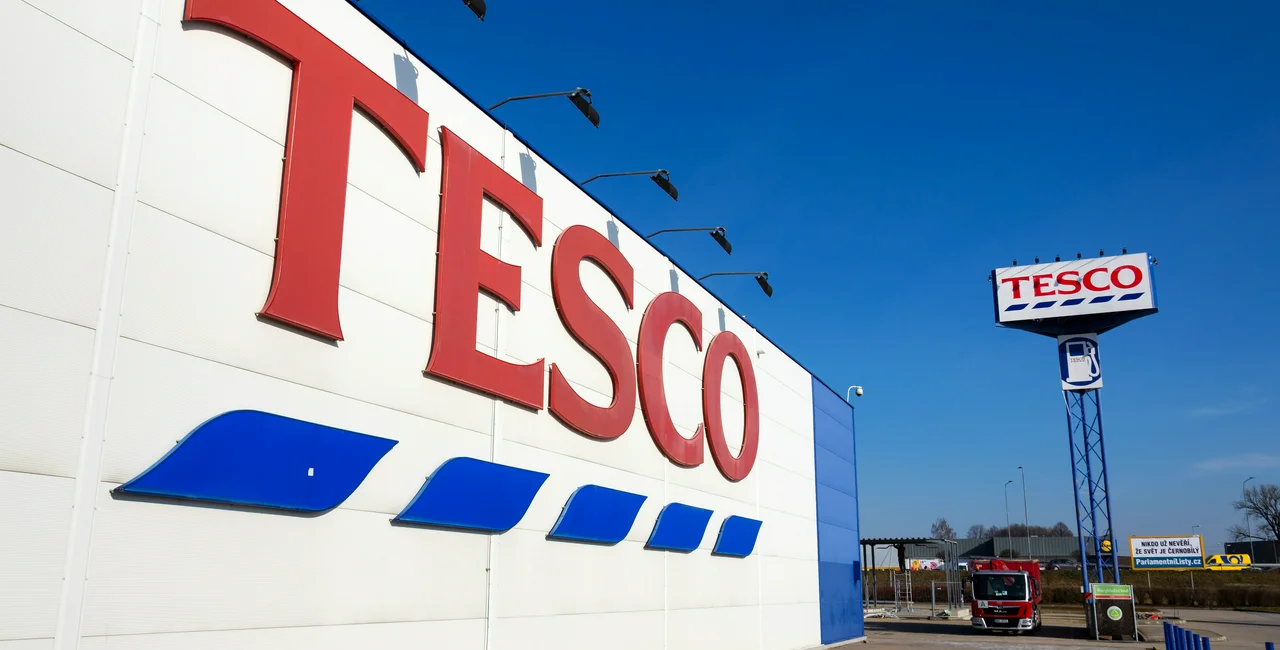

 Summary for: Tesco weighs Central Europe exit amid Czech grocery market shake-up
British retail giant Tesco is considering selling its operations in Central Europe, a move that could reshape the future of one of the Czech Republic's largest private employers.
According to the Financial Times, the retailer is in talks with bankers about a potential sale of its businesses in the Czech Republic, Slovakia, and Hungary.

Tesco employs more than 10,000 people in the Czech Republic, making it one of the country's largest private employers. While the company said it does not comment on market speculation, news of a possible sale has raised questions about the future ownership of its Czech business.
Tesco entered the Czech and Slovak markets in 1996 and now operates 561 stores across the Czech Republic, Slovakia and Hungary, employing around 22,000 people across the three countries.
Modest profitability
Last year, the division generated GBP 4.5 billion (approximately CZK 128 billion) in sales but contributed just GBP 115 million to Tesco's total adjusted operating profit of GBP 3.2 billion, highlighting the relatively modest profitability of the region.
In 2023, Tesco CEO Ken Murphy described the Central European business as “an integral and successful part of the group” that did not distract significantly from the company's core business.
Tesco by the numbers
- 561 stores across CZ/SK/HU
- Est. 22,000 employees in Central Europe
- CZK 128 billion (GPB £4.5bn) regional sales

However, Tesco has explored selling the division before. More than a decade ago, the retailer considered an exit from the region as it sought to stabilize its finances following an accounting scandal that led to a sharp fall in profits.
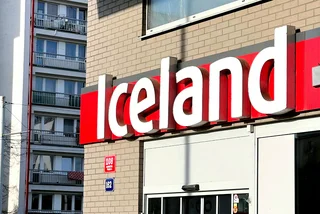
The retailer has spent recent years restructuring its Central European business as it faces growing competition from discount chains such as Lidl and Aldi, while changing shopping habits have reduced demand for its large hypermarkets on the outskirts of cities.
Discount chains gain ground
The potential sale comes as Tesco faces intensifying competition in the Czech grocery market.
A 2025 report combining NADA Research consumer data with Nielsen advertising data found Lidl was the most widely shopped grocery brand among Czech shoppers, with around four in five Czechs saying they shop there at least occasionally.
Albert, Kaufland and Penny Market also ranked strongly, highlighting the pressure on traditional hypermarket operators.

A poll among Expats.cz readers produced a similar result, with Lidl receiving the most votes (35 percent) among 750 respondents, followed by Albert (20 percent) and online grocer Rohlik.cz (13 percent).
In its latest annual report, Tesco said profits from its Eastern European operations declined due to stronger competition in Slovakia and increasing regulatory pressures, prompting a GBP 75 million write-down of the carrying value of its regional stores.
If completed, the sale would mark a significant strategic shift for the British retailer, which has spent three decades building an international footprint.
According to the Financial Times, proceeds from a Central European exit would be reinvested in Tesco's home market, where the company is expanding its UK store network and investing to defend its leading market position.