



 Reading time: 3 minutes

 Summary for: Czechia ends euro consideration as government buries adoption debate
The Czech government has effectively closed the door on euro adoption, ending a long-running administrative process that for more than two decades tracked the country’s readiness to join the eurozone. The move signals a decisive political shift away from even keeping the idea of euro adoption on the table.
Officials say the decision reflects a belief that there is no practical reason to continue evaluating euro readiness each year. While the Czech Republic remains formally obligated under its EU accession treaty to adopt the common currency, the government is now treating the question as politically settled rather than actively pursued.
Czechia ends euro readiness reporting
Earlier this week, the cabinet of Prime Minister Andrej Babiš approved a decision to stop the Ministry of Finance from preparing annual reports assessing the Czech Republic’s preparedness to adopt the euro.
The reports, which have been produced since the early 2000s, were originally designed to track convergence with eurozone requirements and inform policy decisions on possible entry.
"It is pointless to discuss the position on the euro every year, we do not want the euro," Babiš said, adding that if a future cabinet wants such materials, it can commission them later.
The move ends a technical process that economists and policymakers have long used to evaluate the costs and benefits of joining the single currency area. It also removes one of the last formal mechanisms keeping euro adoption on the policy agenda.

Political signal over economic debate
While the government frames the decision as administrative simplification, analysts and commentators note it also carries a clear political message: Czechia does not currently intend to move toward the euro.

Business groups have long supported adoption, arguing it would reduce transaction costs and currency risk in trade with eurozone partners. However, successive governments have avoided setting a timeline, and public support for abandoning the Czech crown has remained mixed.
The decision comes despite the Czech Republic’s legal commitment under its EU accession treaty to eventually adopt the euro. Officials have previously pointed to the lack of a fixed deadline as evidence that the timing remains fully in national hands.
Currency independence remains central
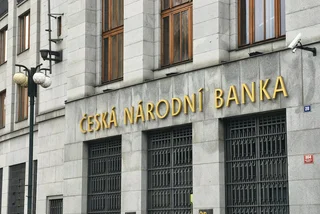
The government’s stance reflects a broader preference for retaining independent monetary policy through the Czech National Bank. Officials argue that control over interest rates allows the country to respond more flexibly to domestic inflation and economic cycles.
The Czech National Bank currently maintains interest rates above eurozone levels, a policy the government has occasionally criticized but which central bankers defend as necessary for controlling inflation and stabilizing the economy.
Critics of euro adoption argue that joining the eurozone would remove this flexibility, while supporters say it would eliminate exchange-rate costs and reduce financial uncertainty for households and companies.

The Czech government has ended its annual euro readiness reports, effectively signaling that euro adoption is no longer an active policy goal. What do you think of this decision?
Euro debate effectively closed
The decision also underscores how far Czech euro ambitions have drifted from earlier expectations. At the time of EU accession in 2004, adoption was widely seen as a long-term goal. However, political consensus on fiscal discipline and timing never materialized, and the idea has gradually lost momentum.
Economists cited in Czech media argue that the real window for smooth euro entry may have closed years ago, particularly after the eurozone debt crisis reshaped perceptions of the currency bloc. For now, the government’s decision is a clear signal that euro adoption is no longer an active policy objective.