



 Reading time: 2 minutes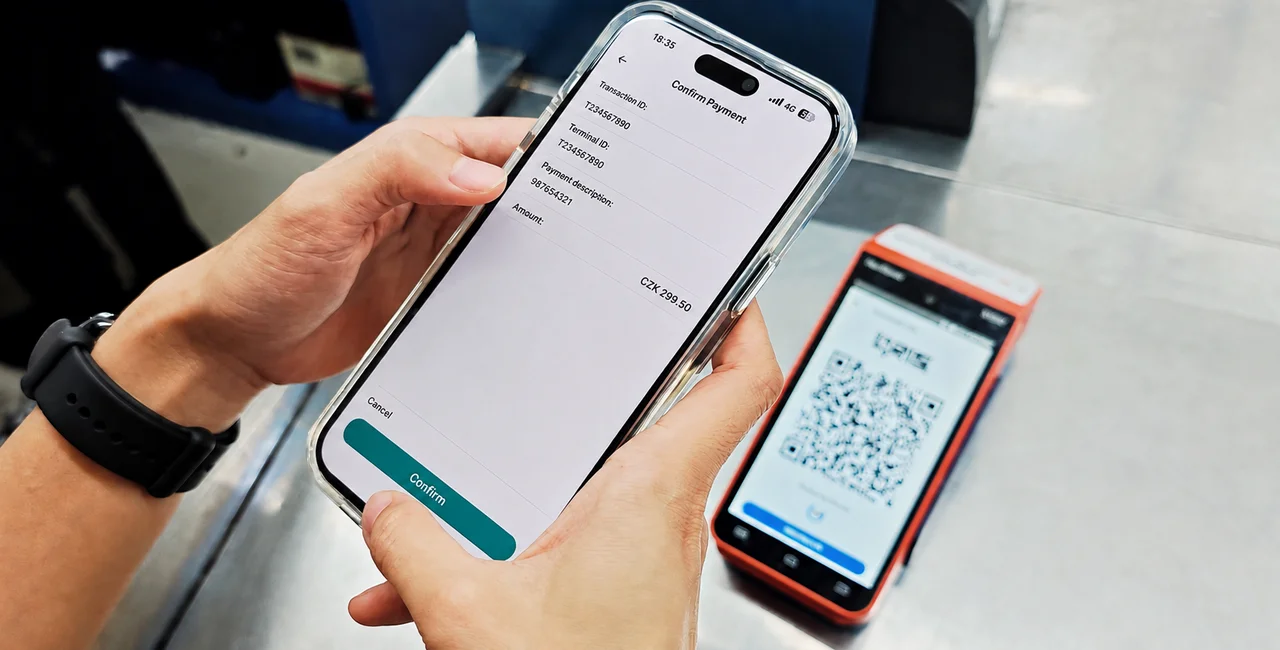

 Summary for: More than half of Czechs now use instant payments: Do you pay by QR code?
Instant bank transfers are rapidly becoming the norm in Czechia, with more than half of the population now actively using instant payments, according to a new survey commissioned by the Czech National Bank.
The system, which allows money to be transferred between bank accounts within seconds by scanning a QR code, is increasingly replacing traditional slower bank transfers. Payments can be made 24/7, including weekends and holidays.
The findings highlight a major shift in how people in Czechia pay for goods and services, with QR code payments in both brick-and-mortar and online merchants particular gaining ground in shops and online transactions.
Fast payments become everyday standard
The survey, conducted by Ipsos for the Czech National Bank, shows that instant payments are now actively used by more than half of the Czech population. In total, around 45 percent of all bank transfers in the country make use of instant payments, up from just one in five three years ago.
Each month, Czechs send more than 91 million payments, with nearly 41 million now classified as instant transfers. On average, these transactions are credited within about three seconds.
Czech National Bank Governor Aleš Michl said that only a few years ago, payments commonly took two or more days to process. He also noted that the central bank’s payment infrastructure is significantly cheaper to operate compared with traditional card systems.
The instant payment system was launched in 2018 and has gradually expanded as nearly all banks in Czechia have joined. The last major bank integrated the service in 2025, making it available to almost the entire retail banking market.

Still room for growth
According to the survey, 47 of Czechs said they have never used a QR code to make a payment, either because they did not encounter an opportunity or chose not to make use of the service.
However, usage is growing, particularly among small businesses. Around 31 percent of respondents said they have used instant payments via QR codes in shops or online. Among small entrepreneurs and sole traders who offer QR payments, satisfaction is extremely high, with 99 percent rating the system positively.
Businesses benefit from receiving funds almost immediately while avoiding the need for card terminals and reducing transaction fees. The system also helps reduce cash handling, according to the central bank.
Instant payments are rapidly becoming the norm in Czechia, with more than half of people now using QR code-based transfers that process within seconds. While adoption is rising in shops and online, some people still prefer cards or cash. Do you pay by QR code?
Despite this, some users say they avoid QR payments because they prefer not to log into mobile banking in public or have simply not had the opportunity to use the system, with card payments still the norm at most merchants.

The central bank is now preparing further upgrades to the system, including bulk instant payments that could streamline wage payments for employers. From 2025, instant payments can also be used for taxes and other state-related fees. Read more about Czechia's instant payments system here.