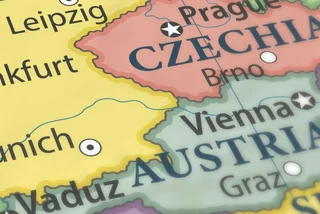
The gap in housing affordability across Czech regions has widened sharply, with Prague now the least accessible place to buy a home while the Ústí nad Labem Region offers the most affordable options for average earners.
Recent analysis by RE/MAX shows that in late 2025, a typical monthly salary in Ústí could purchase about 1.25 square meters in an older apartment, while the an average Prague salary could afford just 0.47 square meters in the capital.
This means Prague residents face nearly three times lower affordability than those in the northern Bohemian region, despite earning the highest wages in the country. In Brno and the broader Southern Moravian Region, affordability is only slightly better than in Prague, reflecting strong demand in major urban centers.
Rising prices in urban hubs
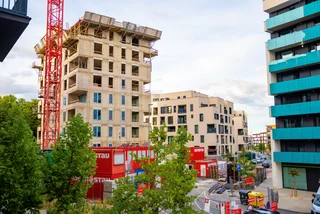
Prague’s soaring property prices have outpaced income growth over the past decade. Average prices for older apartments reached nearly CZK 137,000 per square meter at the end of 2025, while the average gross monthly salary was CZK 64,980. New apartments in the capital were even more expensive, averaging CZK 177,000 per square meter, with premium districts reaching CZK 300,000.
Brno follows a similar trend, with newer apartments priced at CZK 145,000 per square meter. Average wages in the region are lower than in Prague, further exacerbating the affordability gap.
“Prague and Brno long attract strong demand due to job opportunities, higher incomes, and developed infrastructure,” Jan Hrubý, CEO of RE/MAX Czechia and Slovakia, told Czech News Agency.
In contrast, property in northern Bohemian towns such as Horní Slavkov, Bílina, Habartov, and Litvínov remained far more affordable, with prices around CZK 25,000 per square meter. Overall, the Ústí nad Labem Region is the most affordable region to buy a home in Czechia.
The Karlovy Vary and Olomouc Regions followed closely in accessibility rankings, offering roughly one square meter per average monthly salary. Hrubý added that upcoming infrastructure projects, including a planned high-speed rail connecting Ústí nad Labem with Prague, could further increase interest in the region.
Long-term affordability pressures
Czech housing affordability has deteriorated significantly in recent years. Over the past decade, property prices rose by an average of 120 percent, while gross monthly salaries increased by roughly 90 percent.
The Organization for Economic Cooperation and Development (OECD) has highlighted that rising prices and rents are placing increasing pressure on household budgets, particularly affecting young families, seniors, and vulnerable groups.
Affordability in Prague is now among the lowest in Europe. For many, buying even a modest second-hand apartment is out of reach without substantial savings or family support.
Experts warn that the continued concentration of jobs and economic activity in large cities, combined with limited new housing construction, will keep pressure on prices high. Smaller towns and northern regions may provide an alternative for those seeking more space for their money.
For Czech homebuyers, the data underscores the growing challenge of urban living. Policymakers and developers face pressure to address affordability issues in Prague and other major cities while ensuring that secondary markets in smaller towns remain attractive and sustainable.