High-speed rail link between Prague and Dresden moves closer to reality
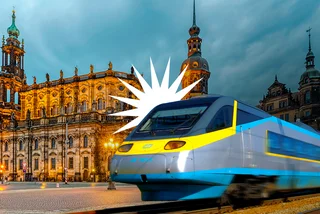
Czech and German ministers say progress depends on EU financing as plans advance for a 30-km tunnel through the Ore Mountains.

Expats.cz Staff

Written by Expats.cz Staff Published on 07.03.2026 09:50:00 (updated on 07.03.2026) Reading time: 2 minutes

Talks between Czech and German transport ministers have moved the long-planned high-speed rail link between Prague and Dresden a step forward, with both sides now waiting for clarity on European Union funding.

Czech Transport Minister Ivan Bednářik said after meeting his German counterpart in Berlin that the project’s future largely depends on financing options that may be announced by the European Commission this summer.

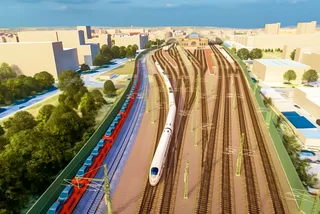
The planned 30-kilometer tunnel under the Ore Mountains would form the key cross-border section of the high-speed line. Twelve kilometers of the tunnel would run on Czech territory.

Funding and political backing

Bednářik said economic studies show the project is justified, but the next decisive factor will be the EU’s upcoming transport infrastructure program. Once details are known, Prague and Berlin will understand how much national funding will still be required.

German media have recently suggested the project could face risks due to tight Czech public finances. Bednářik did not directly address those concerns but stressed that preparations continue on both sides of the border.

The German government has already submitted its high-speed rail plan to the Bundestag in late February. Bednářik said German lawmakers are expected to approve the proposal within four to five months. He is scheduled to meet German Transport Minister Patrick Schnieder again in two months to review progress.

In Czechia, the Railway Administration is conducting a detailed geological survey for the tunnel route. Construction is currently expected to begin in 2030, with the tunnel operational in 2042.

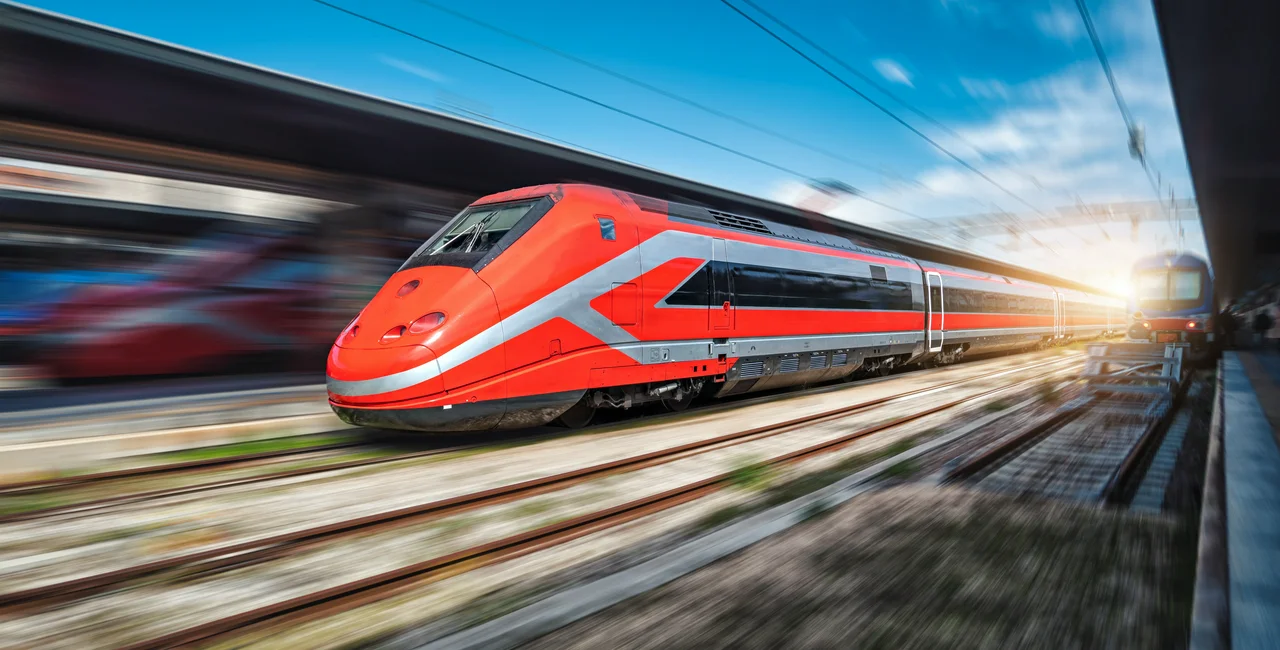
The high-speed link is designed to dramatically shorten travel times between the two cities. The Prague–Dresden journey is expected to drop to under one hour, compared with the current average of around 2.5 hours. Trains are planned to reach speeds of up to 320 km/h.

The connection is also expected to improve freight capacity, making the corridor one of the most important transport routes between central Europe and Germany.

Czech and German officials continue to discuss plans for a high-speed rail link from Prague to Dresden. Will you make use of the new line that will connect the cities in under an hour?

Absolutely! 82 %
Probably not 8 %
I'll be gone by the time it's completed 10 %
110 readers voted on this poll. Voting is open

Broader cross-border plans

Beyond the tunnel, Bednářik and Schnieder also discussed road infrastructure, particularly a potential motorway link between the D6 motorway in the Karlovy Vary Region and the Bavarian road network.

Czech and Bavarian leaders have previously addressed the issue at regional level, underlining the broader effort to improve north-western border connectivity.

Autonomous mobility was another topic of discussion. According to the Czech ambassador to Germany, Berlin has expressed interest in cooperating on testing autonomous vehicles for cross-border passenger transport.

Transport cooperation is expected to feature prominently during the upcoming visit of Czech Prime Minister Andrej Babiš to Berlin, where he is due to meet German Chancellor Friedrich Merz on March 10.

For commuters, businesses, and travelers in Czechia, the Prague–Dresden tunnel remains one of the country’s most ambitious infrastructure projects—but its timeline will now depend heavily on decisions made in Brussels in the coming months.

Did you like this article?

Every business has a story. Let's make yours heard. Click here