
 Reading time: 2 minutes

 Summary for: Czech news in brief for May 12: Tuesday's top morning headlines
 President Pavel signs fuel price cap law
President Pavel signs fuel price cap law
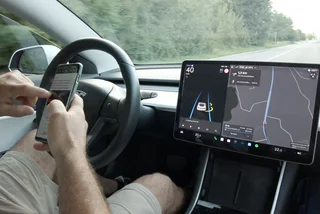
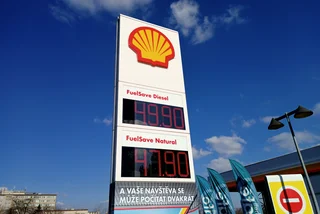
President Petr Pavel signed the Act on the Regulation of Fuel Prices on Monday, giving the Czech government authority to cap fuel prices by decree for up to 12 months in the event of a market emergency. The law, passed by the Chamber of Deputies after the Senate rejected it, responds to rising petrol station prices linked to the Middle East conflict. Pavel has previously stated he does not consider market interventions a good idea. The act takes effect upon publication in the Collection of Laws.
Slavia plans facial recognition at Eden
Slavia chairman Jaroslav Tvrdík said on Monday that the club will introduce stricter security measures after Saturday’s unfinished derby against Sparta at Eden stadium. According to Tvrdík, pyrotechnics and face coverings will be banned, ID checks may be introduced, and facial recognition systems will be activated despite possible fines. The measures follow a pitch invasion by around 1,200 fans from the Sever stand during added time.

Czech govt. drops annual euro readiness report
The Czech government will no longer produce its annual report on readiness to adopt the euro, Prime Minister Andrej Babiš announced on Monday following a cabinet meeting. Babiš said the reports were unnecessary given the current government's opposition to adopting the currency, adding the issue should be revisited by the next government in 2030. The decision was criticised by opposition STAN, whose former European Affairs Minister said Czechia was voluntarily forgoing benefits enjoyed by 21 EU member states.
Timelapse video captures tram work at Wenceslas Square
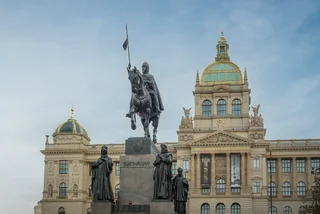
Prague Public Transport Company (DPP) said on Sunday that track construction on Wenceslas Square and near the National Museum is progressing ahead of a planned launch next June. According to DPP, new rails have been laid around the statue of St. Wenceslas and along parts of Legerová Street. The project will connect tram lines in Vinohradská and Jindřišská Streets and aims to ease congestion on Karlovo náměstí and improve diversion routes in central Prague.

'Ice men' bring cold snap across Czechia
Cold oceanic air flowing from polar regions has brought temperatures across the Czech Republic down to around 10°C during the day, with overnight lows near zero and possible frost by Wednesday, according to a report published Monday. The cold spell coincides with the traditional Czech "Ice Men" period of May 12–14, historically associated with late-spring cold snaps. Below-average temperatures are expected to persist across most of Europe, including Czechia, until the end of the week.