



 Reading time: 4 minutes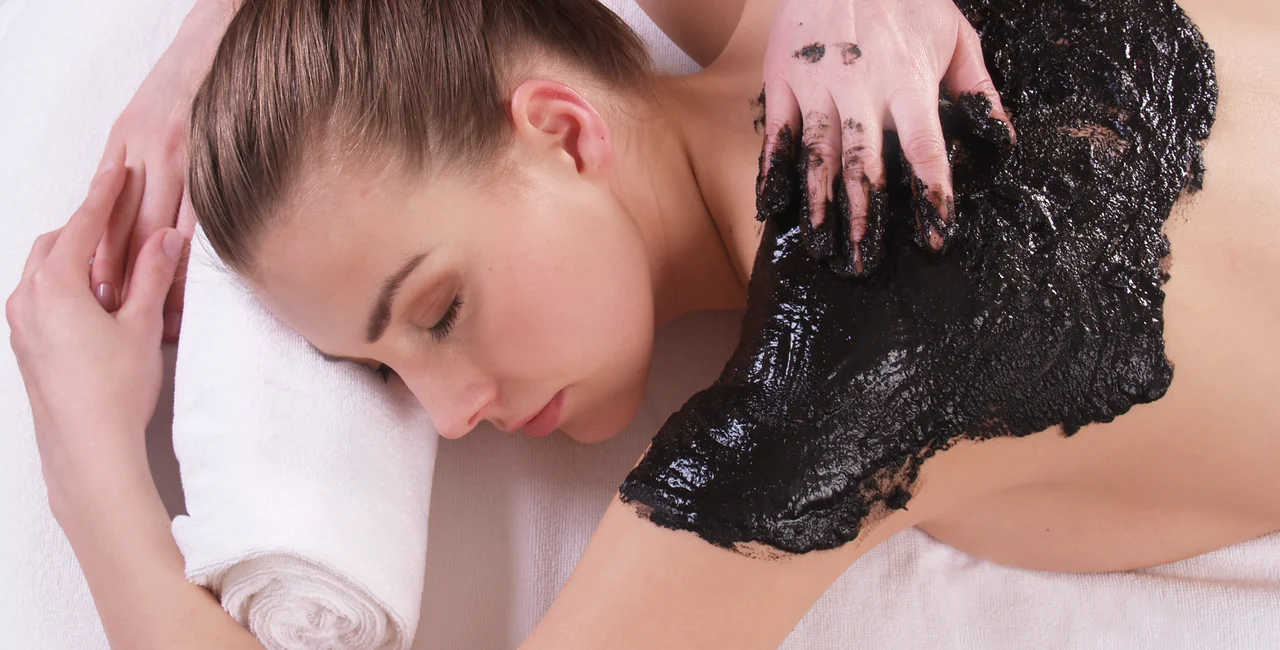

 Summary for: Chronic back pain? A medical spa stay could be the reset you need
Many people don’t realize that a medical spa stay goes far beyond massages and hot tubs, offering structured, physician-led treatment programs that target the root cause of recurring discomfort.
For people living with chronic back pain, a medical spa stay designed around rehabilitation can offer something many treatments struggle to provide: a structured program that combines diagnosis, therapy, and recovery in one place.
Across Central Europe, these programs often incorporate natural healing resources with physiotherapy to address musculoskeletal pain. To understand how these programs work in practice, we spoke with medical professionals from Ensana, including MUDr. Alena Korenčíková, medical director, Ensana Piešťany, and MUDr. Markéta Hovorková, PhD, head of doctors at Ensana Mariánské Lázně.
How medical spa doctors treat chronic back pain
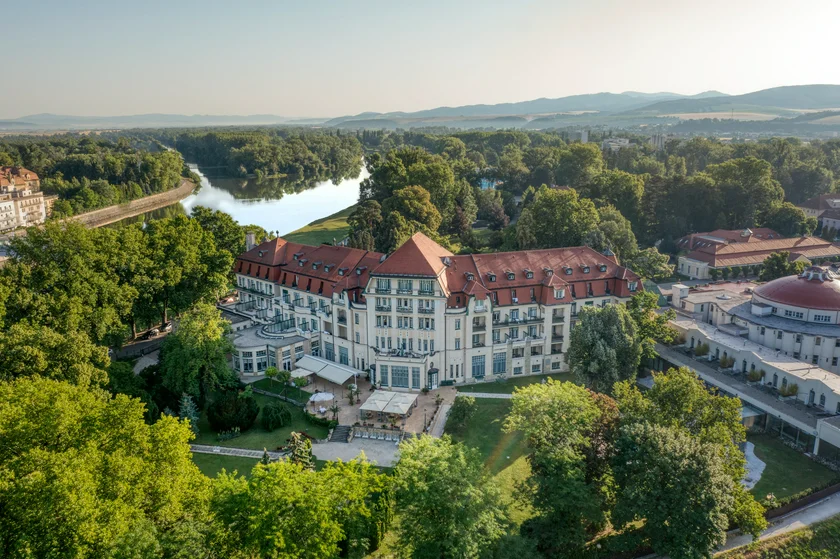
At Ensana Thermia Palace in Piešťany, about 80 kilometers from Bratislava, Slovakia, treatment begins not with spa treatments, but with a detailed medical assessment.
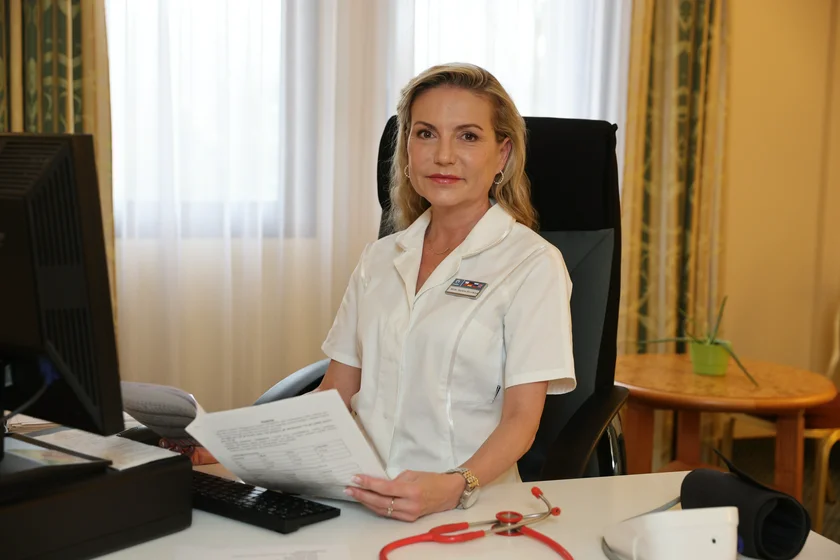
In our facilities, the assessment of patients presenting with chronic or recurrent back pain is based on a comprehensive initial medical examination,” explains Korenčíková. Doctors evaluate posture, muscle imbalances, range of motion, and trigger points to understand how a patient’s spine and muscles function during movement before creating an individualized treatment plan.
During treatment, physicians track patient progress using standardized tools. “Most patients report a 30 to 50 percent reduction in pain scores and an objective increase in mobility within the affected spinal segments,” says Korenčíková. Improvements often appear during programs lasting two to three weeks, which is the typical duration for musculoskeletal spa treatment programs, though shorter stays can still help begin recovery.


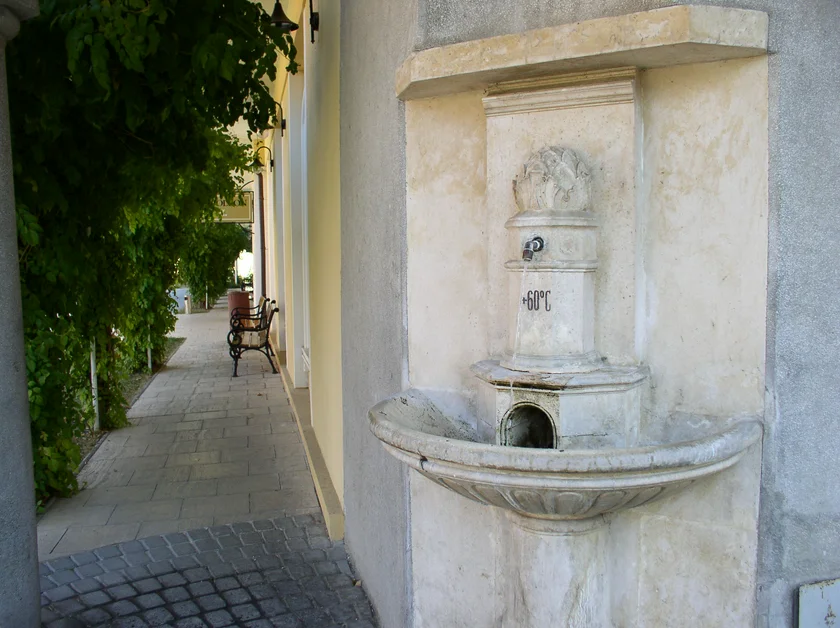
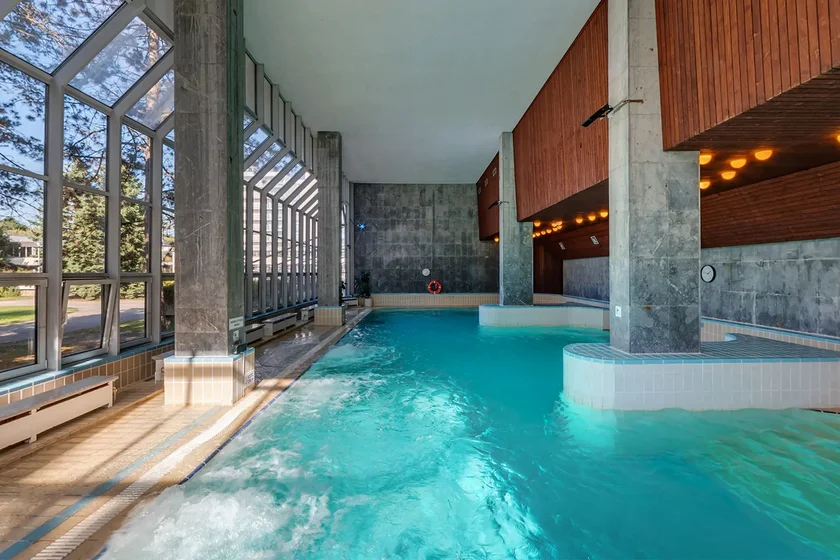
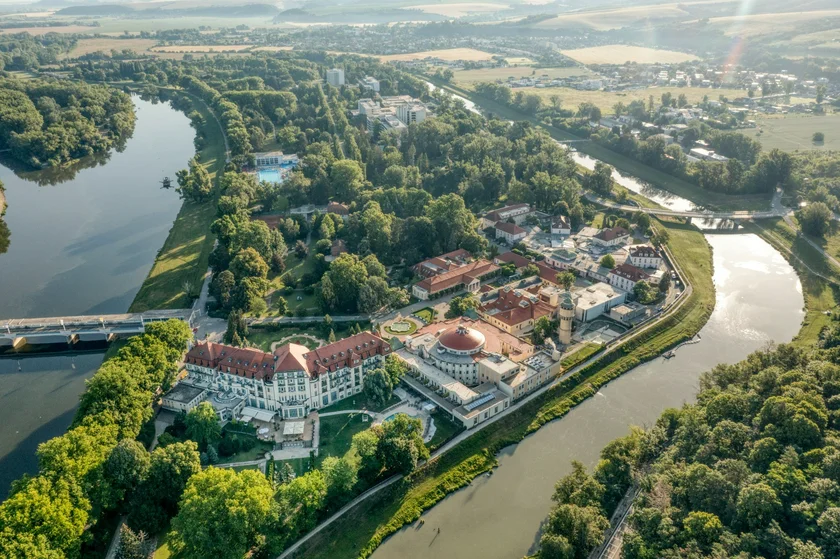
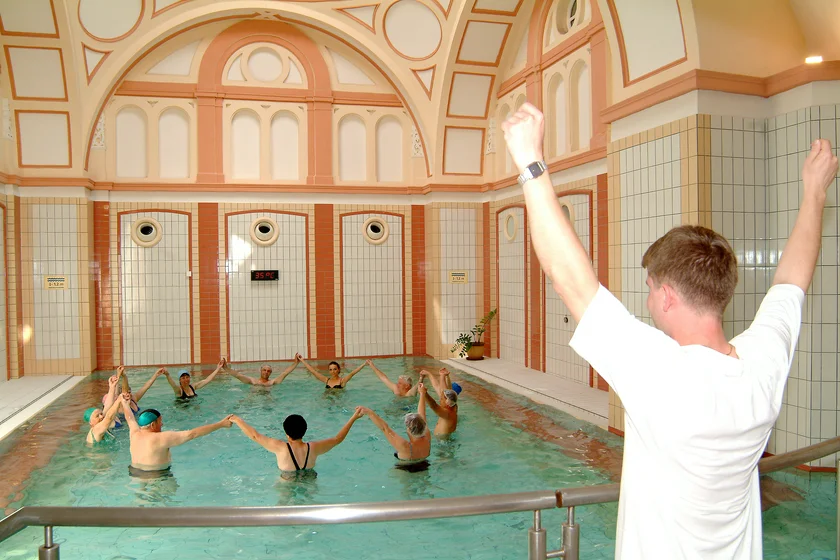
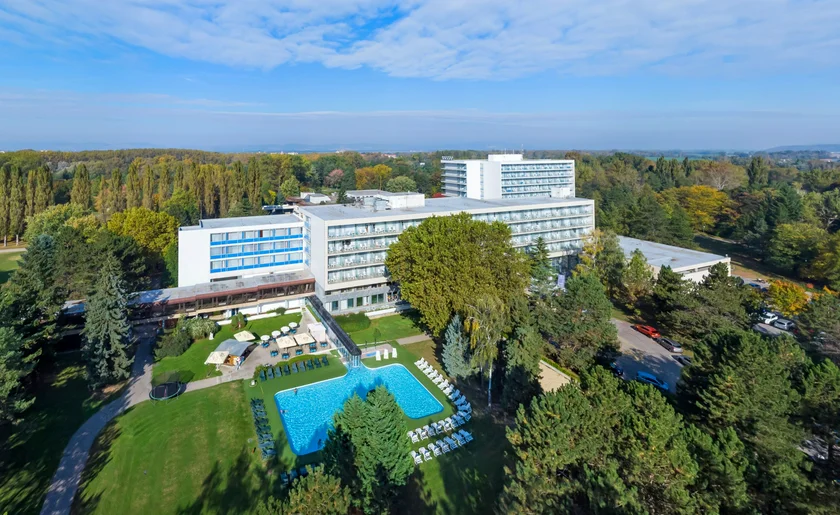
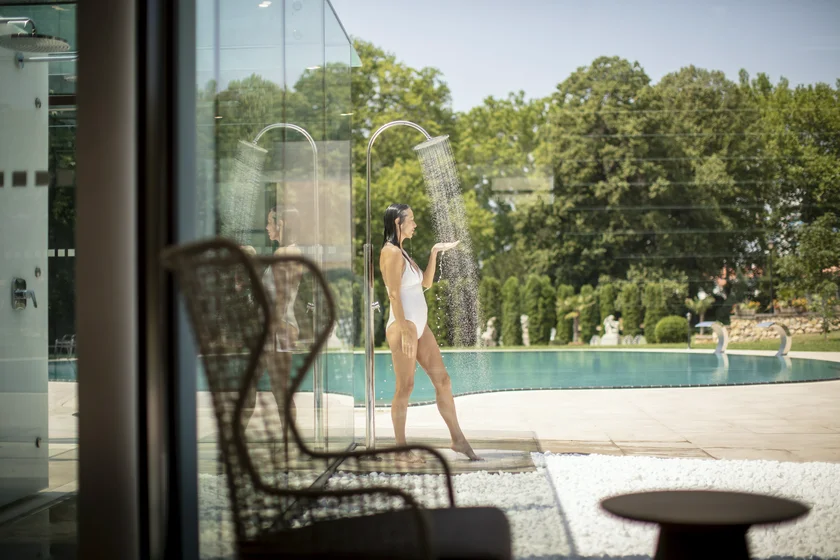
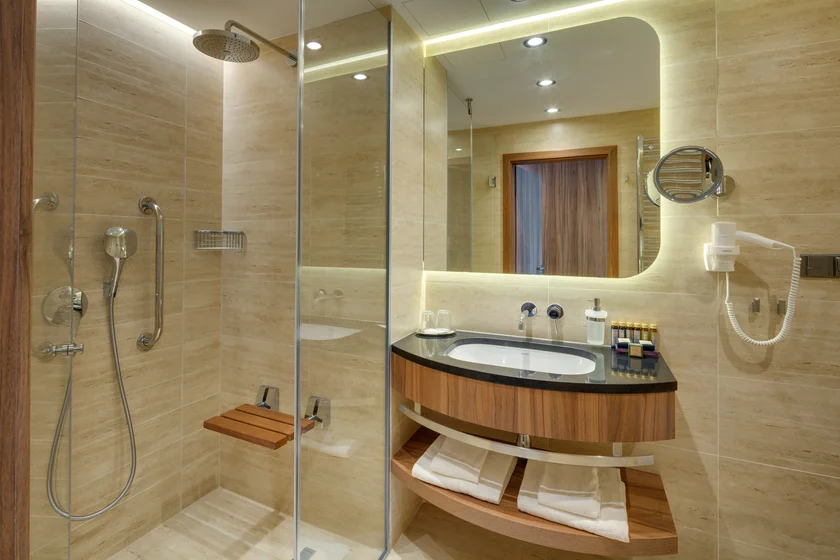
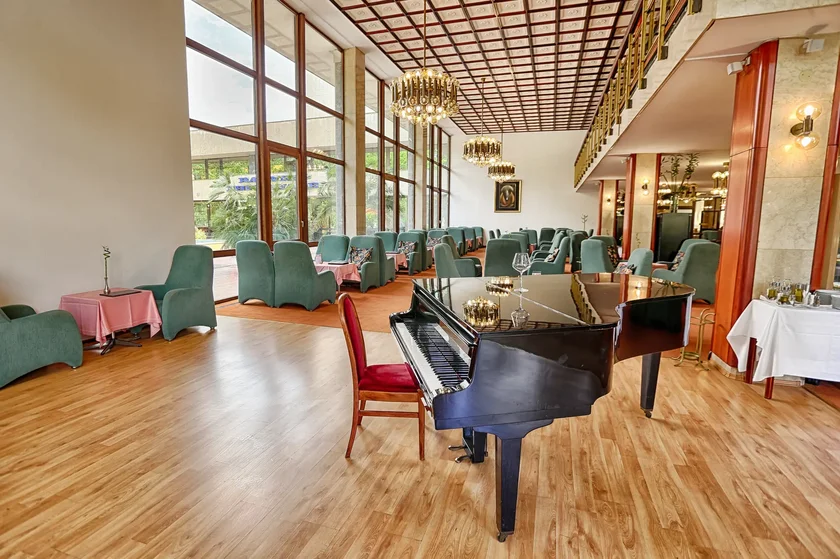
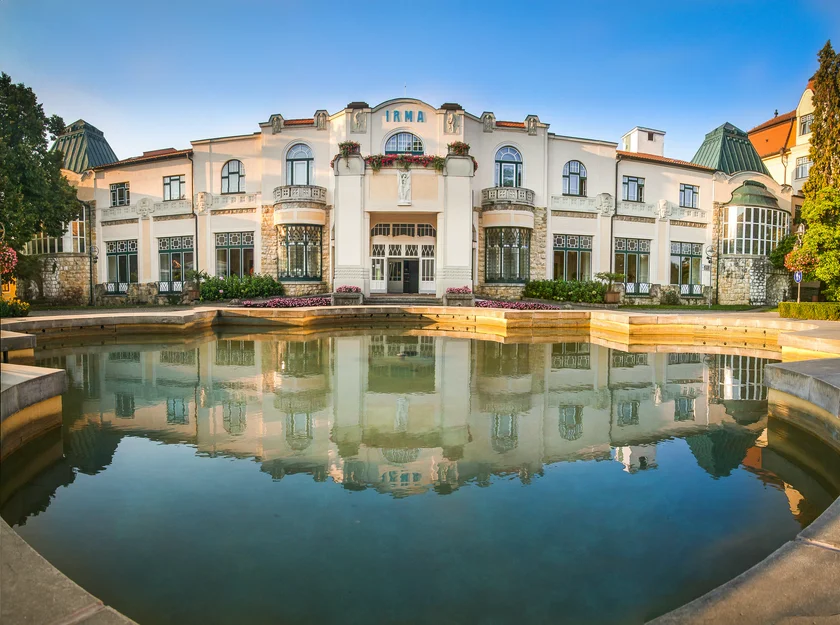
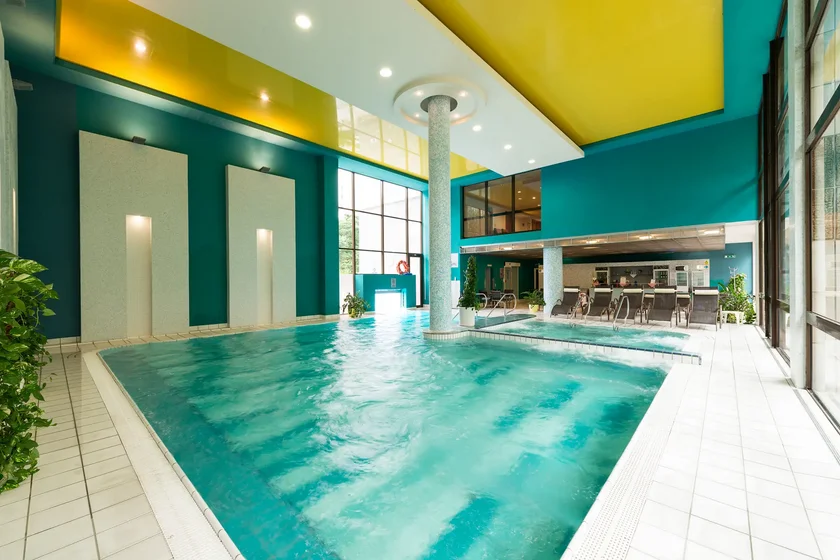
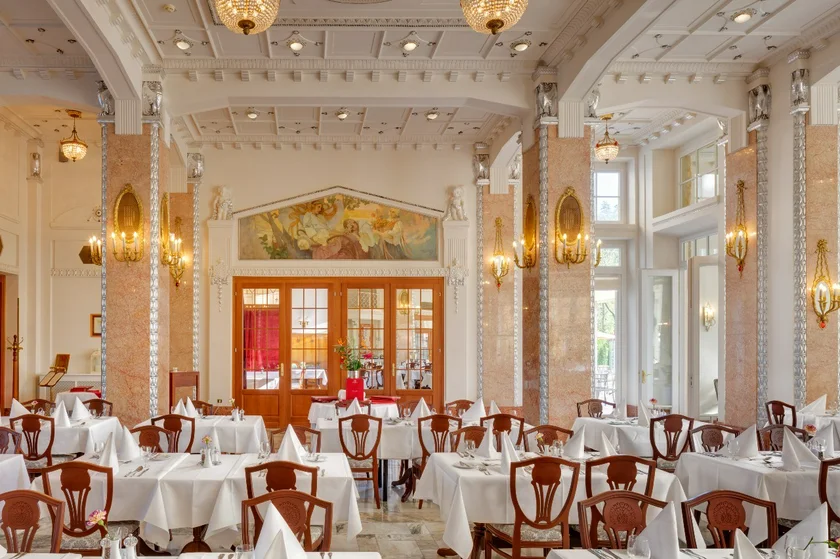
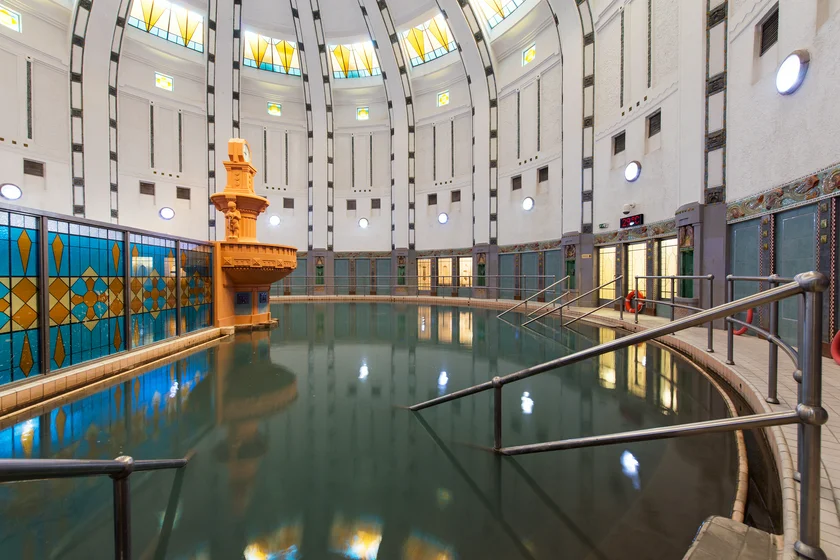
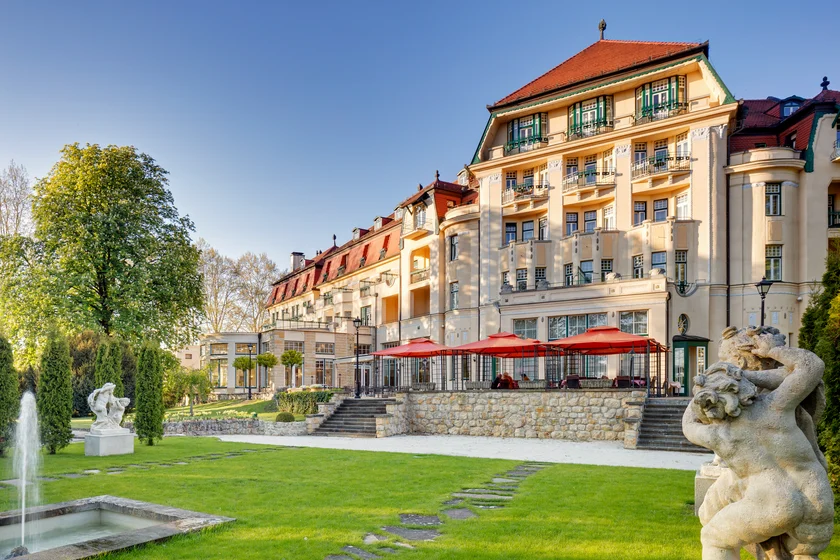
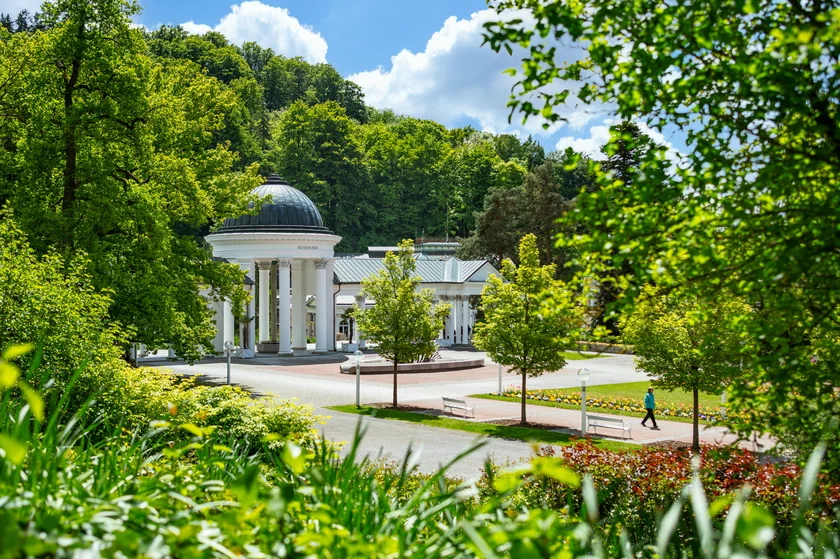
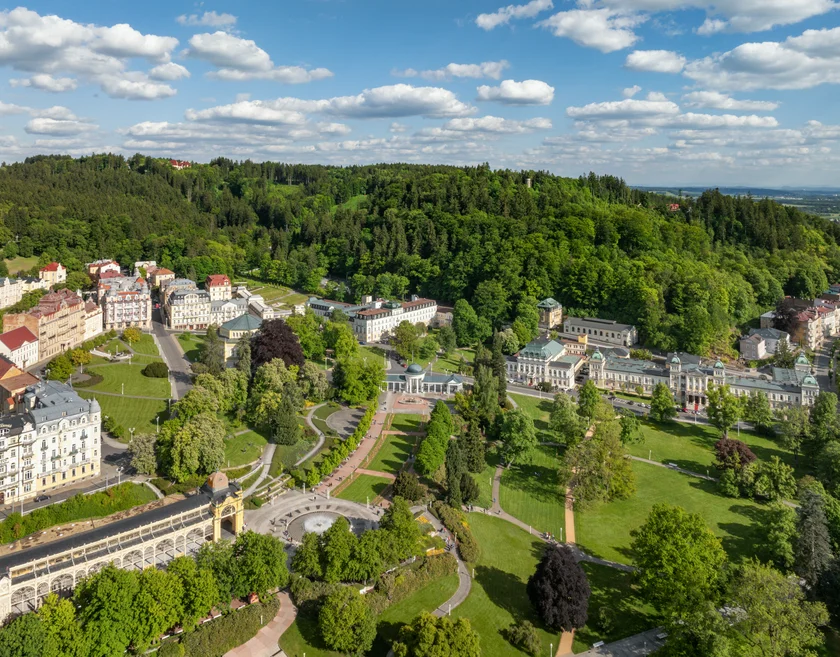
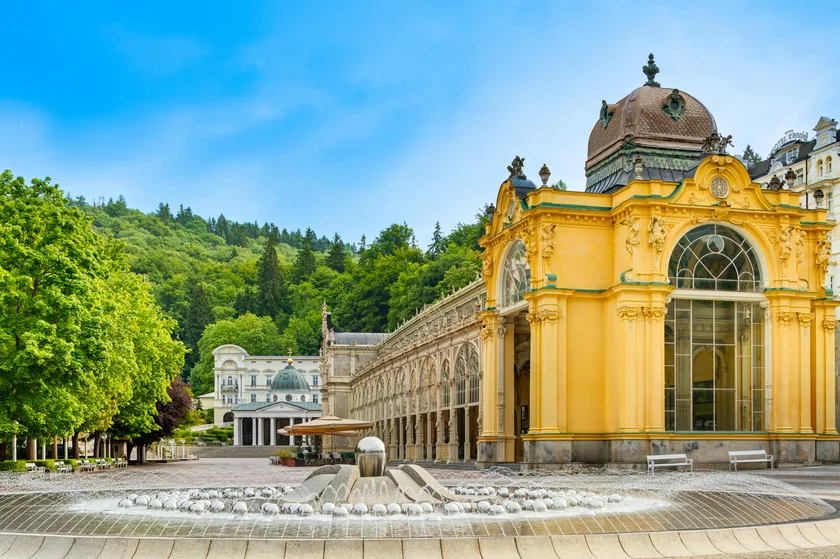
A similar medical approach guides treatment in Mariánské Lázně, another historic spa town in Czechia known for its mineral springs and natural carbon dioxide therapies.
“Every patient first undergoes a comprehensive consultation with a physician,” says Hovorková. “We review the patient’s medical history, previous imaging if available, and conduct a clinical and functional assessment of the musculoskeletal system.”
This evaluation includes a kinesiological analysis, a specialized examination that assesses how the body moves, including movement patterns, coordination, and muscle involvement. Based on these findings, doctors establish an individualized treatment plan combining natural resources, rehabilitation therapy, and modern treatments such as magnetotherapy, electrotherapy, laser therapy, or cryotherapy.
Natural spa therapies that support back pain recovery
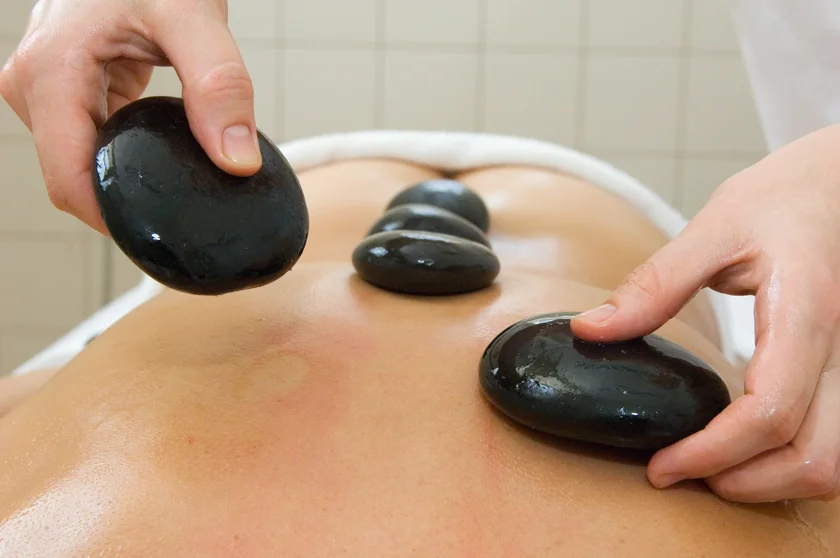
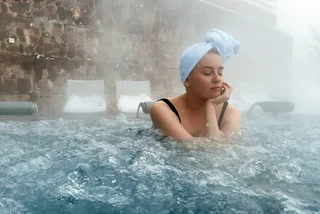
Mariánské Lázně is often called the “city of natural CO₂,” referring to the naturally occurring carbon dioxide gas used in several therapeutic treatments. According to Hovorková, mineral baths, dry gas baths, and localized injections can help improve blood circulation and reduce chronic pain.
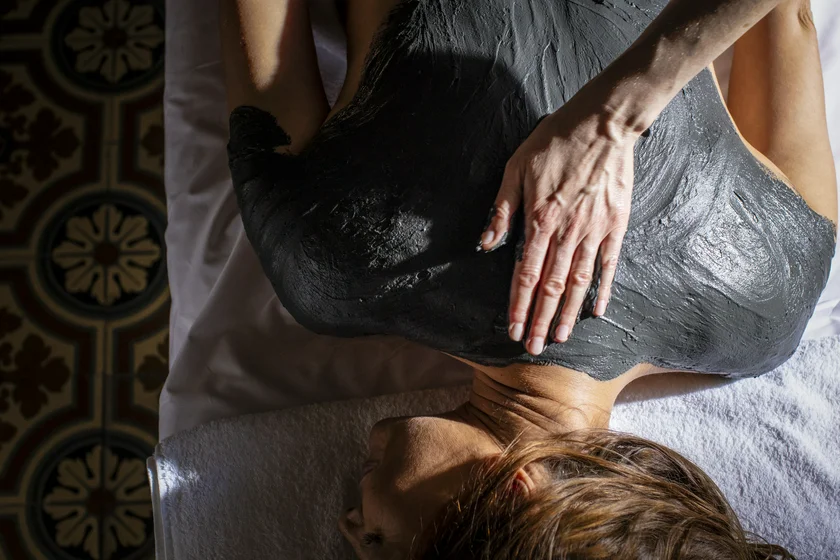
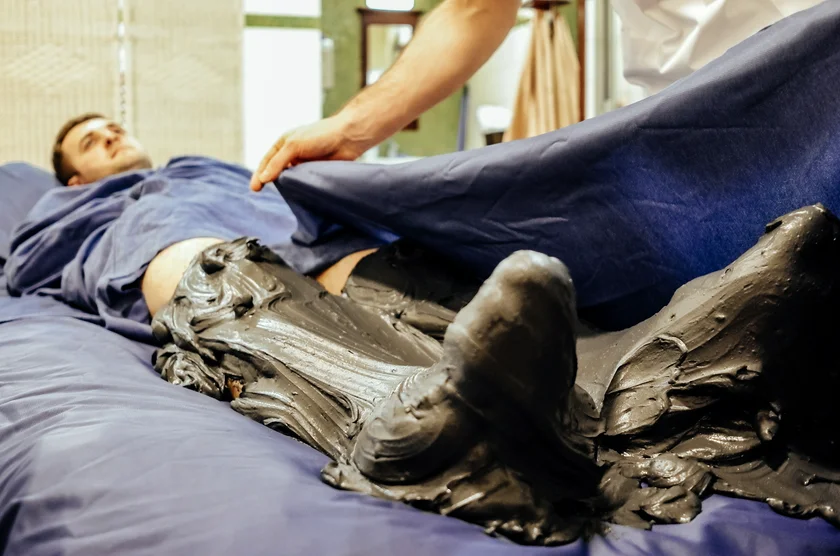
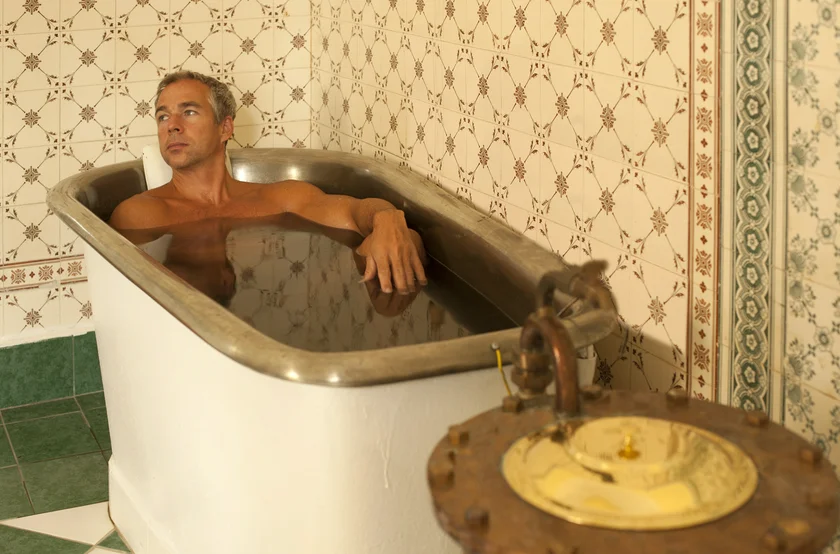
Patients may also receive peat wraps heated to around 40°C. The slow, deep heat helps relax muscles and prepares the body for physiotherapy sessions that follow.
Throughout the stay, physicians monitor progress using standardized clinical tests. Physicians measure pain intensity using visual analogue scales and assess spinal mobility with clinical tests.
During two- to three-week treatment stays, patients typically experience a clinically meaningful reduction in pain and improved spinal mobility,” says Hovorková. Published research on balneotherapy for chronic lower back pain shows improvements of roughly 20 to 30 millimeters on a 100-point pain scale, with benefits lasting months after treatment.
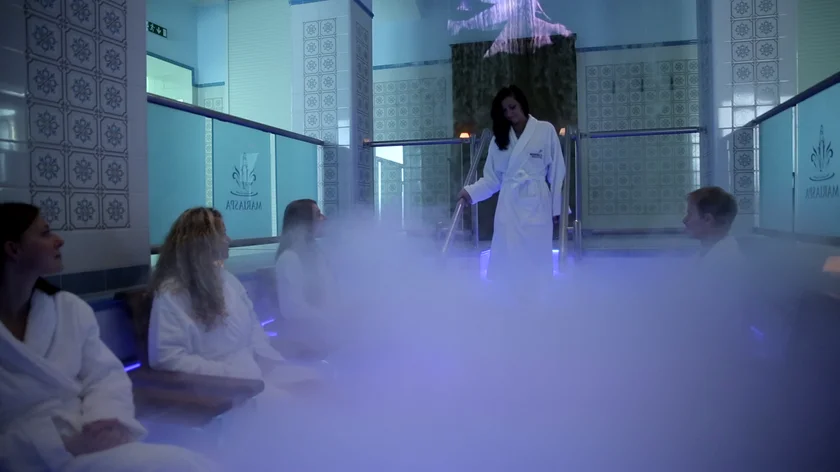
“If acute inflammation is dominant, we opt for gentler, non-thermal procedures,” adds Korenčíková. “For chronic conditions, the gold standard is a Traditional Spa Stay.” Treatment typically combines physiotherapy with balneotherapy in the Mirror Pool and Mud Pool using Piešťany’s thermal mineral water and sulfur mud.

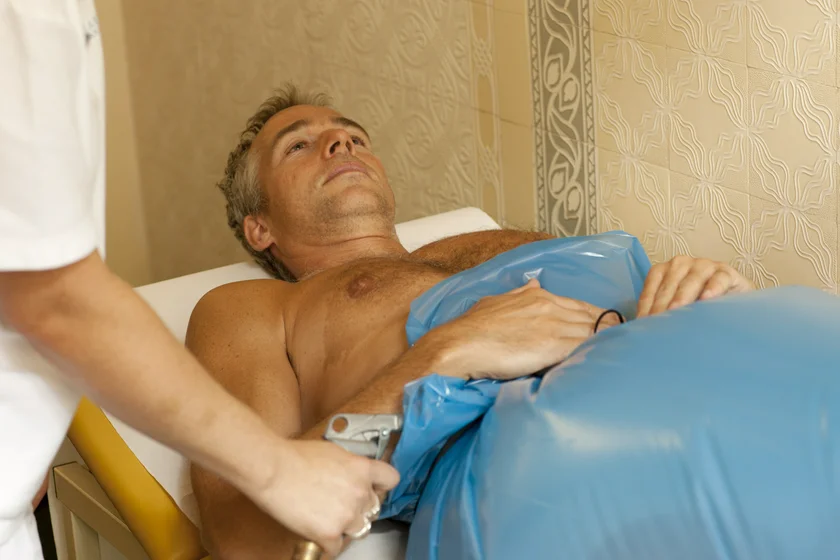

“Mud applications are specifically indicated for degenerative changes and chronic muscle spasms where deep tissue hyperaemia (increased blood flow) is required,” she explains. These natural resources are used alongside targeted rehabilitation exercises designed to improve spinal mobility and reduce muscle tension.
How to maintain back health after a medical spa stay
“Our goal extends beyond passive treatment,” Korenčíková emphasizes. “A core component of the program at Thermia Palace is the educational process.”
Patients at Ensana participate in guided physiotherapy sessions and programs such as “Back School,” which teach exercises for spinal stability and safe movement patterns.

”During the final consultation we provide individual recommendations for continued exercise and daily movement,” adds Hovorková. These may include a home exercise program focused on core stability and mobility, along with advice to maintain regular activities such as walking, swimming, or cycling.
For people living with chronic back pain, a structured medical spa program offers more than relaxation. It combines medical evaluation, rehabilitation therapies, and education designed to support long-term back health.
Now through March 18, Ensana’s spring sale offers 25 percent off spa stays across its Central European properties. The limited-time offer makes it easier to plan a restorative getaway, with savings on accommodation, wellness treatments, dining, and hotel services at Ensana destinations.