



 Reading time: 3 minutes

 Summary for: Can the EU's new digital wallet be used by non-EU citizens in Czechia?
The EU Digital Identity Wallet, a new digital “wallet” for personal identification and verification across the European Union, will roll out across the continent in the coming years. The wallet is expected to launch in Czechia by 2027, allowing users to store documents, prove their identity, and interact with public and private services from their smartphones.
The system is voluntary but promises to streamline processes for residents, from opening bank accounts to signing contracts or accessing government services. Czech authorities are developing the local version, known as the Digitální identita občana, with pilot testing already underway.

European Commission rules mean the wallet is available not only to EU citizens but also to legally residing non-EU residents. That includes students, workers, and others who have official residency in Czechia.
How the wallet works
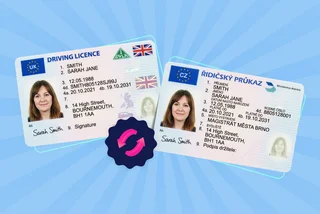
The EU Digital Identity Wallet (EUDI Wallet) allows users to store digital versions of official documents, such as driver’s licenses, diplomas, and bank account credentials.
It also enables users to securely authenticate themselves online and offline, sign documents electronically, and prove certain attributes, such as age or professional qualifications, without sharing unnecessary personal data.
"All EU national wallets will comply with the same technical and security standards," Jan Hainz, head of communications at the Czech Digital and Information Agency (DIA), tells Seznam Zprávy. "Czech wallets will be able to interact with wallets from other member states for identification and other functions."
The wallet is designed to ensure users maintain full control over their data. Only the information necessary for a transaction is shared, and audit logs track when and where the data is used. This addresses privacy concerns, ensuring neither the state nor the EU can monitor users’ activity.

Use for non-EU citizens
Legally residing non-EU citizens in Czechia can use the wallet to access services across the EU, making it easier to travel, study, or work. Its interoperability ensures that residents, including non-EU nationals, can use it across borders.
For example, a foreign resident could securely open a bank account in another member state, submit a verified diploma to a university, or sign a work contract digitally using credentials stored in the wallet.

The system is not centralized. Each EU country operates its own wallet infrastructure, and governments are responsible for the security of their national systems. Pilot projects in Czechia involve local tech firms, universities, and public institutions testing cross-border functionality and cyber resilience.
Digital wallets also include functions such as age verification, which allow users to prove they are over 18 for certain online services without revealing full birthdates or other personal details. Age verification has become a major issue for web users concerned about handing over their data to third party sites.
Practical uses for EU residents
Once launched, the wallet should simplify everyday tasks for both EU and non-EU residents. It will allow secure e-signatures for employment contracts, authenticated interactions with government services, digital proof of purchases, and safer online transactions.

Large-scale pilot projects across Europe, including Czechia, involve hundreds of companies and public authorities testing usability, security, and interoperability. The system is designed to integrate with existing services, such as banking, eGovernment, and eCommerce, minimizing administrative burdens for both users and businesses.
Planned to roll out in Czechia by 2027, the EU Digital Identity Wallet will allow residents to store digital versions of documents such as driver’s licenses and other credentials for official use. Will you make use of the new wallet?
Czechia plans to roll out the full production version of its national wallet by early 2027. As the system expands across the EU, residents can expect easier cross-border mobility, improved privacy controls, and more convenient access to both public and private services. More information about the EU's digital wallet can be found at the website of the European Commission.