



 Reading time: 5 minutes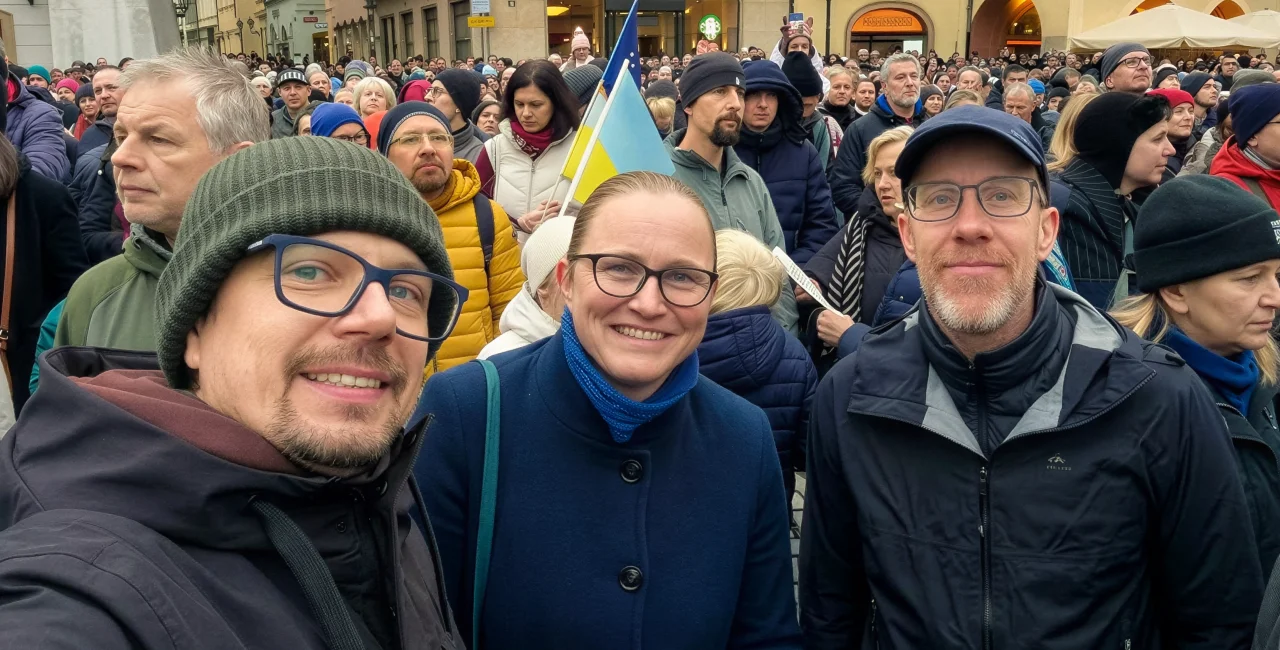

 Summary for: A debate in a Prague pub sparked the idea. Now they’re helping expats vote in Czechia
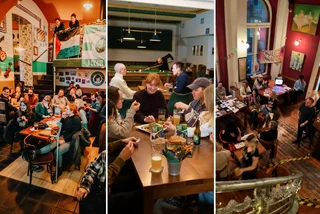
In 2023, a group of mostly foreign-born Prague residents began meeting to read Respekt together and argue about politics. As the domestic and global situation drifted in directions they found alarming, someone asked the obvious question out loud: What can we actually do about it?
The answer, eventually, became Volby pro všechny (Elections for Everyone), a non-partisan civic initiative dedicated to helping migrants and new citizens understand, navigate, and participate in Czech political life.
Its three founders are as different from each other as the countries they came from.
Suzanne is Dutch and has been in Prague for four and a half years, working in business development at Rekola, the pink bike-sharing company.
Ben is American, five and a half years in, a freelance researcher and analyst who also leads tours and writes for guidebooks. And Juryj is Belarusian-born, 13 years in Prague, now a Czech citizen, who leads the Czech office of an automotive telematics company.
What they share is a refusal to treat politics as someone else's problem.
Juryj: Democracy a 'sham' in his home country
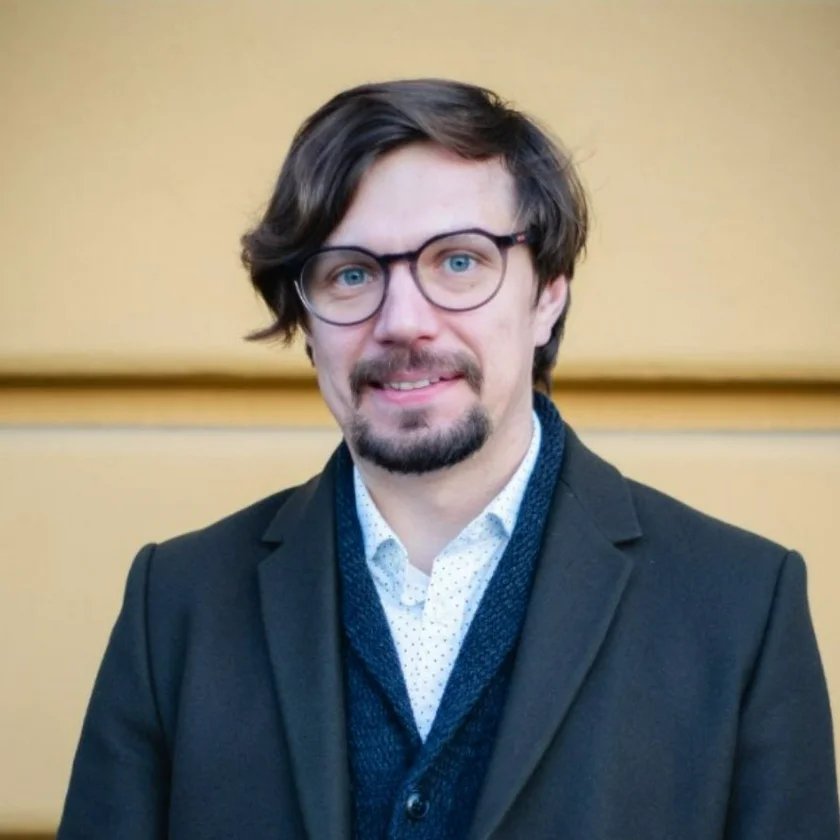
For Juryj, that conviction was forged somewhere much harder than a Prague pub. He grew up in a country where, as he puts it plainly, "democracy is a sham," where the standard advice was to stay away from politics entirely. He never could.
— Juryj"If you hold ideals like the rule of law, dignity, and democracy, you have to act on them. Otherwise they mean nothing."
"One thought never left me," he says. "If I do nothing, how can I expect anyone else to do something?" When he moved to Czechia, he kept showing up: debating, studying, eventually joining a local party branch, not out of partisan loyalty but out of curiosity.
"I wanted to see how decisions are prepared at the local level, how candidate lists are formed, how compromises are negotiated. I think it's healthy for citizens to occasionally look under the hood."
About a year ago, he became a Czech citizen and voted for the first time in a country where it actually counts. "Votes are counted properly. Results aren't manufactured. I don't take that for granted for a single second."
Suzanne: Could have voted, didn't know it
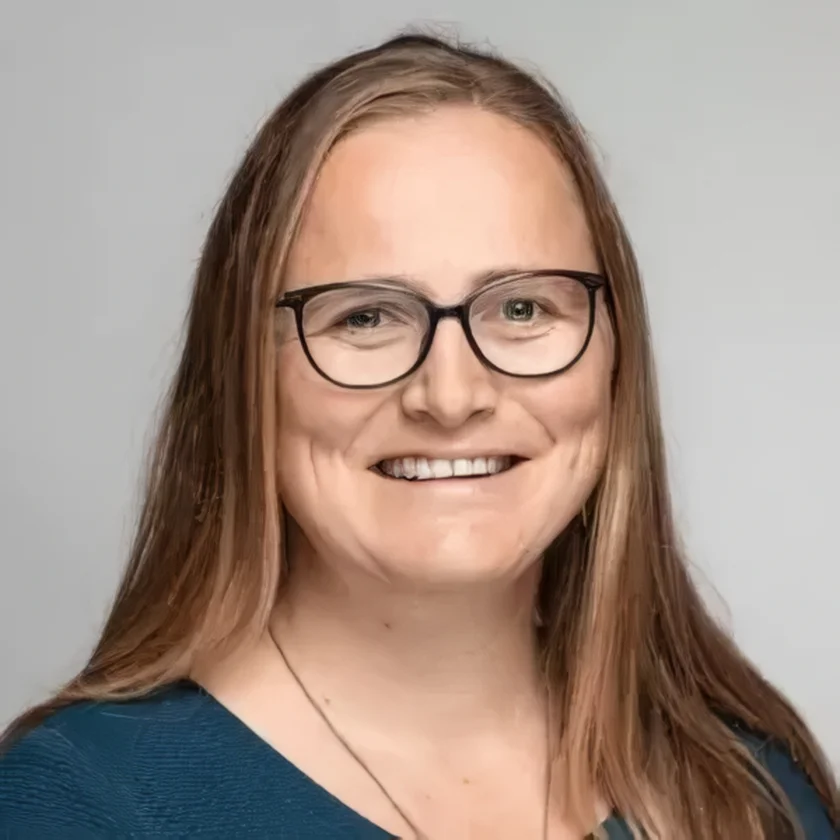
Suzanne came to the question from a different direction. She could have voted in Prague's 2022 local elections as an EU citizen but didn't know about it.
She could have registered for the 2024 European Parliament elections here but chose to vote by post in the Netherlands instead, partly for strategic reasons and partly because she assumed the Czech registration process would be a bureaucratic ordeal.
It isn't, she has since discovered, and spreading that message has become part of VPV's mission. "It's too easy to say 'it's the others,'" she says. "We're all part of the political community." She recently joined the Czech Green Party to learn how local government actually works, improve her Czech, and meet people. "Win-win-win," she says.
Ben: Third-country nationals should have the vote

Ben brings the academic's perspective: multiple university degrees in political science, a habit of keeping party involvement at arm's length, and a sharply felt frustration at not being able to vote at all until he eventually gains citizenship.
"I think there's a strong argument that people with permanent residency should be allowed to vote at least in municipal elections; Denmark, Sweden, Ireland, and Slovenia all allow this for third-country nationals. There's a real EU precedent Czechia could follow," he says.
— Ben"Politics is how we work together to build something we care about. People who turn their back on politics turn their back on cooperating with their fellow citizens."
Foreign-born residents in Czech cities are overwhelmingly pro-European and deeply skeptical of populist narratives. And with nearly 350,000 people currently holding permanent residency here, that's not a small group.
In fact, ahead of the October 2025 elections, VPV ran a party-match quiz helping foreign-born residents compare their values with Czech political parties. They discovered a sleeping giant; more than 6,450 people responded, a dataset unlike anything previously collected on this population.
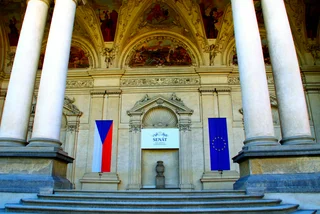
The headline finding was stark: 82.4 percent of respondents aligned with pro-democratic parties, while only 16.5 percent aligned with populist or anti-establishment platforms, even though those parties won roughly half the national vote.
All three are careful to note that VPV itself is strictly non-partisan. They don't promote parties, only participation. And the participation gap, particularly in municipal elections, is where they see the most urgent work to be done.
Local elections: Where expats have the greatest impact
Local elections are, counterintuitively, where foreign-born residents can have the most direct influence on their daily lives, funding for parks, decisions about schools and streets, the future shape of a neighborhood.
Yet turnout is low, partly because the Czech municipal ballot is genuinely complicated. Juryj is particularly animated about kroužkování, the Czech system of preference voting that allows you not just to choose a party but to actively reshuffle which individuals on a party list actually get elected.
"Once people understand that," he says, "voting starts to feel genuinely meaningful. Not just a tick in a box."
The practical barriers matter too. EU citizens need to register separately to vote in local elections; a requirement that trips up many Europeans who are used to being automatically on the electoral roll at home. The registration process is simpler than most people assume, but nobody is telling them that. Yet.
That's what VPV is building toward for autumn 2026: a suite of practical tools that includes a voter registration guide, a polling station finder, a "who does what" explainer for Czech government layers, and opt-in voting reminders. All of this alongside an ongoing information campaign (in partnership with Expats.cz). The beer-and-Respekt meetings have come a long way.
"If you've been living here for years, paying taxes, raising kids, building a life," says Suzanne, "this autumn is your chance to have a say in how this city is run." She pauses. "Voting is part of belonging. You're not just visiting."
Visit volbyprovsechny.cz to learn more about the Czech political system or follow the project on Facebook and Instagram. Reach out directly at info@volbyprovsechny.cz if you'd like to volunteer or collaborate.