



 Reading time: 3 minutes

 Summary for: Tick season in Czechia is back. Here’s what you should know
Many expats quickly discover that one of the best parts of living in Czechia is how easy it is to spend time outdoors. As the winter chill fades and sunshine returns, parks, hiking trails, and countryside cottages quickly become the norm. These happy indicators of warm days ahead also mean the return of a less welcome seasonal visitor: tick season.
While high concentrations of ticks are typically found in areas like Southern Bohemia, risk maps show tick activity across the country, including in urban centers such as Prague. For newcomers, it can be surprising that a walk through Riegrovy sady, Stromovka, or any neighborhood park can expose people to ticks.
The great news is that with proper precautions and medical advice, most tick-borne illnesses can be prevented. If you are new to spending time outdoors in Czechia, it helps to understand how tick season works and how to protect yourself.
When is tick season in Czechia?
Tick season in Czechia typically begins in early spring once temperatures rise above about 5°C and soil moisture increases. Activity increases through spring and usually peaks between May and July, when people spend more time outdoors.
Tick activity often declines during very hot, dry periods, but can rise again in early autumn. Because of this, clinics like Canadian Medical recommend prevention measures and vaccination before peak activity begins.

Which tick-borne illnesses are most common?
Czechia has one of the highest incidence rates of tick-borne encephalitis in Europe, with hundreds of infections reported each year. One of the most serious illnesses that can be contracted is tick-borne encephalitis. Often shortened to TBE, it spreads through the bite of an infected tick and affects the central nervous system.
Lyme disease is also a concern, and while both infections come from tick bites, they behave differently. According to Canadian Medical, Lyme disease is bacterial and can usually be treated with antibiotics. Tick-borne encephalitis is viral, which means there is no specific treatment once infection occurs.
The illness often develops in two phases, with the first phase resembling a mild flu (fever, fatigue, headaches, and muscle aches). In some patients, the infection progresses to a second stage affecting the brain or meninges and may require hospitalization.
Doctors say some patients experience longer-term neurological effects such as fatigue, headaches, or problems with concentration.
Why vaccination matters
Because there is no direct treatment for TBE, prevention becomes especially important.
Doctors across Central Europe consistently point to vaccination as the most effective protection against tick-borne encephalitis. The vaccine has been used for decades and has a strong safety record for both adults and children.
The vaccination schedule involves three doses. The second dose follows one to three months after the first, and the third dose is usually given five to 12 months later to establish longer-term protection.
Vaccination can begin at any time of year, and Canadian Medical recommends starting before the peak tick season begins so the body has time to build protection. Booster doses, taken every three to five years, can also help maintain immunity.
Cost of the vaccine will vary based on location as well as insurance coverage. In Czechia, people aged 50 and older typically have tick-borne encephalitis vaccination covered by public health insurance, while some insurers offer partial contributions for younger adults and children.
Everyday exposure
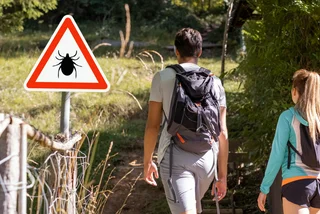
One common misconception is that tick-borne diseases mainly affect hikers or people spending long periods in forests, but in Czechia, walking a dog, jogging on natural paths, gardening, or spending a weekend at a cottage can all bring people into contact with ticks.
Canadian Medical recommends basic precautions such as using repellents, wearing long clothing, and doing “tick checks” of your body after time outdoors. The faster a tick is found and removed, the lower the risk of infection. However, experts caution that none of these measures offers complete protection. Vaccination remains the only method that protects directly against tick-borne encephalitis.
Ticks may be a fact of life during Czechia’s warmer months, but they do not have to stop folks from enjoying the outdoors. With the right precautions and medical guidance, residents can continue exploring Czechia’s parks, trails, and countryside throughout the season.