 Reading time: 3 minutes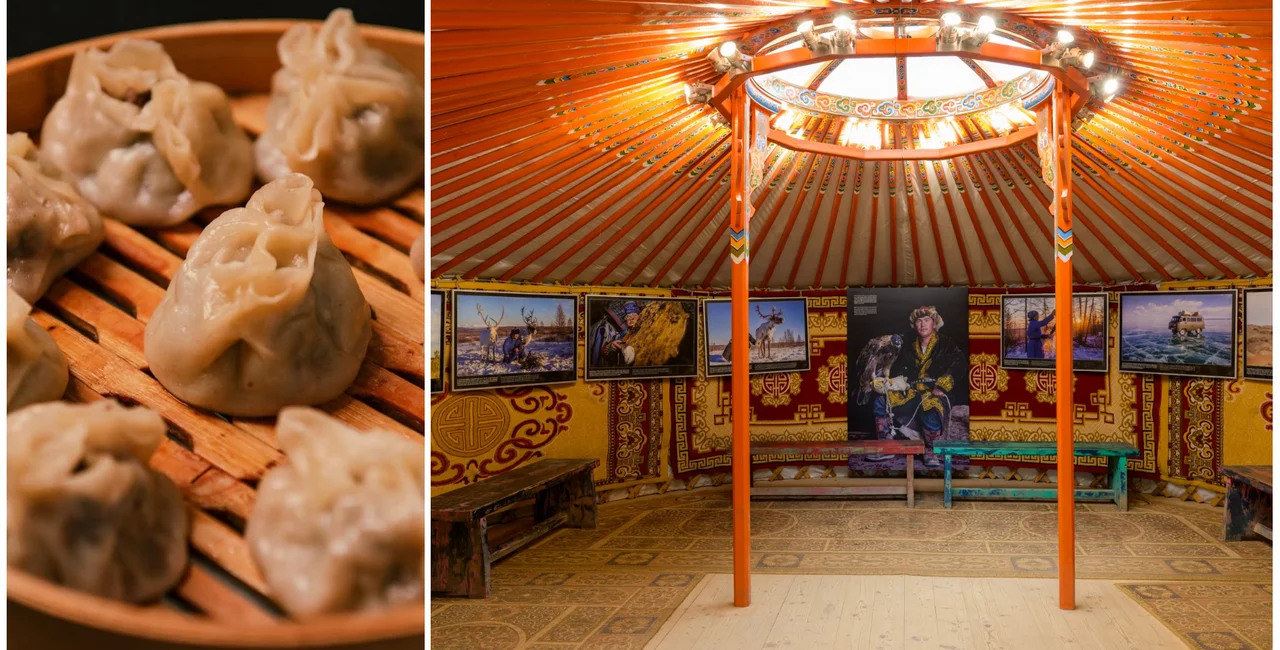

 Summary for: Eat buuz or go inside a yurt: Czechia’s Mongolian community brings the steppe to life
For one day this July, visitors to Prague Zoo can travel thousands of kilometers east without leaving Czechia.
On Saturday, July 11, the zoo will host Mongolian Culture Day and World Horse Day, a celebration inspired by Naadam, Mongolia's most important traditional festival.
Held every July and recognized on UNESCO's Intangible Cultural Heritage list, Naadam celebrates Mongolian history and culture through music, traditional dress, food, sport, and horsemanship.
The event brings to Prague demonstrations of native vertical calligraphy, fashion shows featuring the Mongolian deel, and the chance to try steamed dumplings (buuz), fried meat pastries (khuushuur), and Mongolian sweets.
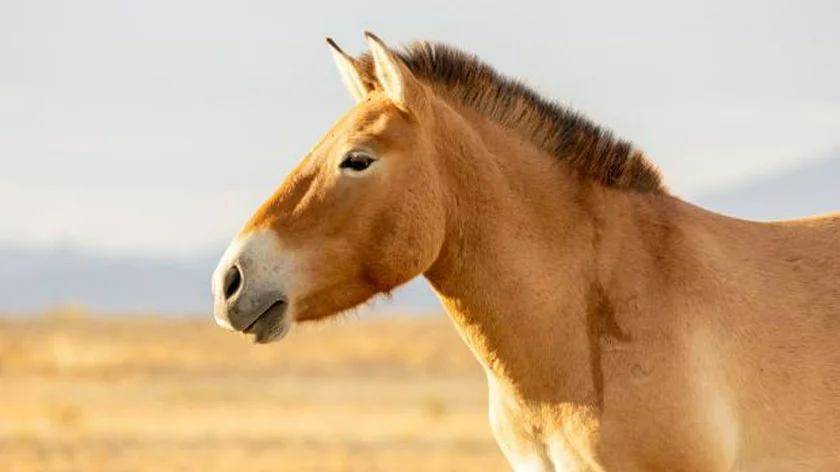
Kids' activities and commented feedings of Przewalski's horses round out the program.
The celebration comes as Prague Zoo expands its cooperation with Mongolia through a newly signed research agreement with the Institute of Biology of the Mongolian Academy of Sciences.
Przewalski pride
Since launching the project in 2011, Prague Zoo has helped return dozens of the endangered horses to Mongolia, where the population has grown to roughly 800 animals. What began as a conservation effort has evolved into one of the most visible symbols of Czech-Mongolian cooperation.

"Our culture is deeply connected with animal husbandry and livestock," says Narmandakh Boldbaatar, founder of the Mongolian-language platform Soninoos.
"We even have different names for animals at different stages of life, from unaga for a one-year-old foal to ikh nas ("great age") for a horse six years and older."
That connection helps explain why the Przewalski's horse holds such symbolic significance in Mongolia.
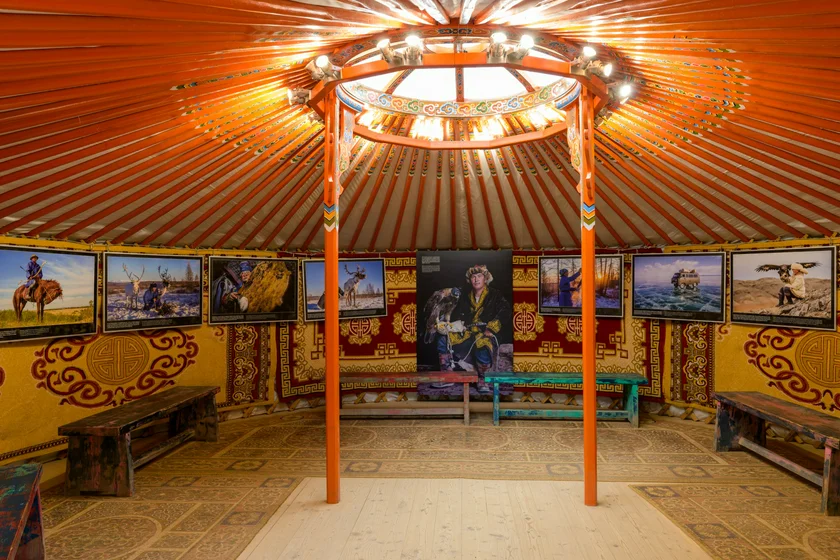
Visitors to the festival will be able to attend guided encounters with the rare horses, learn about Prague Zoo's conservation work, and explore Mongolia through photography exhibits housed inside a traditional yurt.
A community building a home abroad
But while the horse may be the most visible symbol of the Czech-Mongolian connection, the event is also an opportunity to showcase a culture that many Czechs know little about.

According to Interior Ministry data, 14,908 Mongolian citizens held long-term or permanent residence permits in Czechia at the end of 2025, making them the country's eighth-largest foreign community.
Many originally arrived as students or workers. Over time, they have established families, businesses, cultural organizations, and educational programs across the country.
Mongolian culture in Czechia extends far beyond one day at the zoo. Across the country, Mongolian organizations run language programs, cultural centers, music schools, restaurants, and businesses.
In Most, students learn to play the traditional horsehead fiddle known as the morin khuur. Elsewhere, entrepreneurs import Mongolian products, operate restaurants, and create opportunities for cultural exchange.

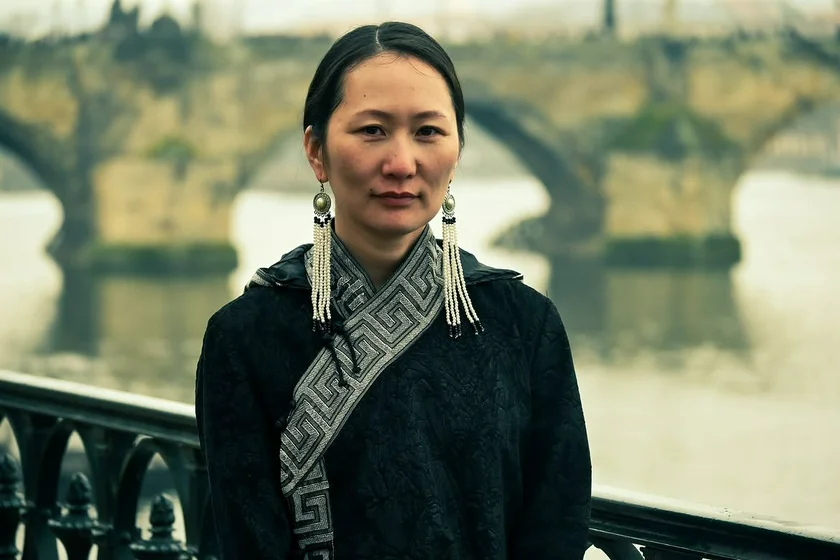
For Boldbaatar, who originally came to Czechia as a student in 2017 and expected to stay for only two years but hasn't yet left, that growth reflects a long tradition of adaptation.

"Mongolians adapt quickly," she says, quoting a saying from home: "If you drink their water, follow their custom."
Mongolian Culture Day and World Horse Day take place at Prague Zoo on July 11 from 10 a.m. to 4 p.m.
Naraa's tips for Mongolian culture experiences
Community and cultural organizations
Mongol Centre in the Czech Republic – Organizes cultural events, exhibitions, and educational programs.
Czech-Mongolian Friendship and Cooperation Society – Supports projects linking the two countries through culture, education, and business.
Mongolian students' association – Provides information and support for students interested in studying in Czechia.
Mongolian language and culture centers in Plzeň and Pardubice – Offer programs for children and families.
Morin khuur school in Most – Teaches the traditional Mongolian horsehead fiddle to a new generation.
Food and drink
UB Restaurace Praha – Catering and frozen Mongolian dumplings for home cooking.
Mr. Dumpling House – Popular for dumplings and Asian-inspired cuisine.
Chikara Sushi – Run by Mongolian owners and known within the community.
Sipster Cocktail Bar (Prague) – A Mongolian-owned business with a growing local following.
Experiences
Mongolian Yurt Camp, Český Šternberk – Stay in a traditional ger (yurt) and experience a taste of Mongolia less than an hour from Prague.
MonSuit (Prague) – Tailoring shop that also sells traditional Mongolian deel garments.
O&M Ponožky – Czech-made wool socks produced using wool sourced from Mongolia.
Music and culture
Dunjingarav and Gerege – Bands that bring traditional and contemporary Mongolian music to Czech audiences.