 Reading time: 3 minutes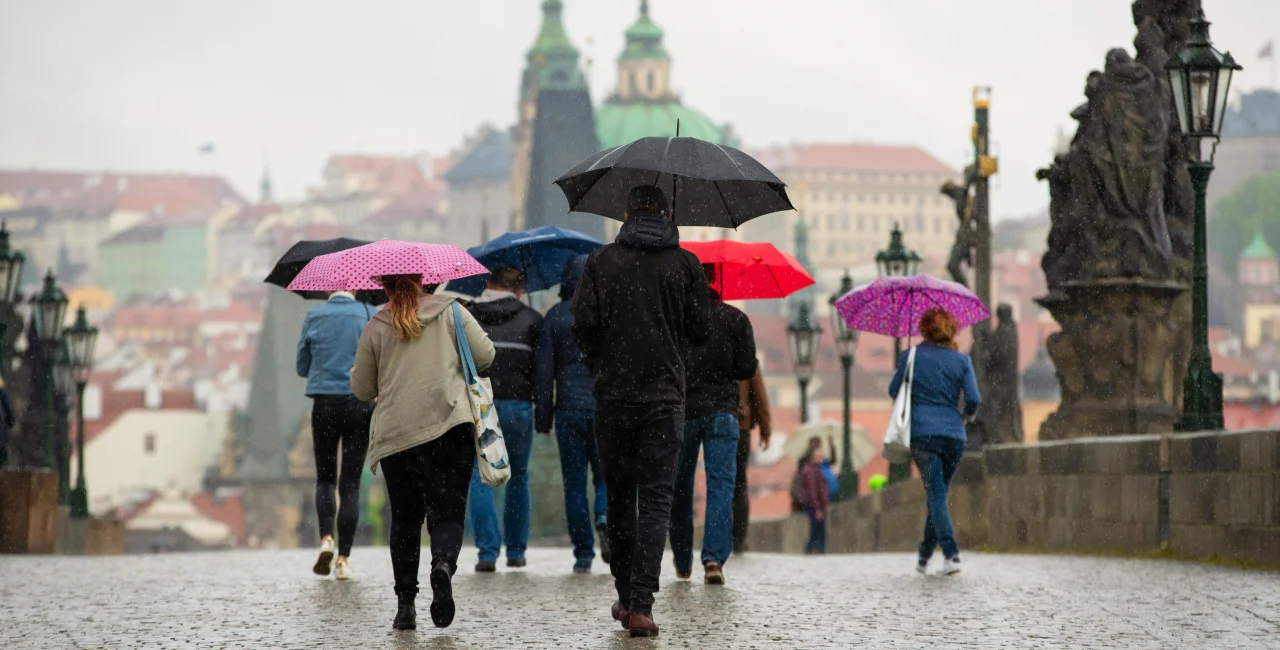

 Summary for: Does this summer in Czechia seem extra rainy? Why you're not imagining it
Not sure whether to pack sunscreen or an umbrella this week? You’re not alone. With authorities issuing a warning to the public about storms in and around Prague this weekend, weather this summer has kept everyone guessing: swinging wildly between blazing sunshine and torrential downpours. Sometimes, within the same week.
And it’s not just your imagination. According to the Czech Hydrometeorological Institute (ČHMÚ), summer 2025 has brought an unusually high number of rainy and stormy days, with weather patterns dominated by a series of cold fronts moving in from the Atlantic.

What’s behind the mixed weather?
While it’s typical for Czechia to receive its highest rainfall during the summer months, meteorologists note that this year’s weather has been especially unstable. One reason is a broader trend: climate change is a key factor.
Experts say that a warmer atmosphere can hold more moisture, which leads to heavier and more frequent downpours when that moisture is released.
Bioclimatologist Miroslav Trnka told Czech media outlet Seznam Zprávy last year: "Due to climate change, our warm season is lengthening, which increases the risk of extreme weather events. We have always warned [the public] that Czechia must prepare for more frequent and intense droughts, but at the same time we’ll continue to be threatened by floods.”
A worsening situation
Europe experienced its hottest year on record in 2024, and meteorologists say this warming trend is fueling increasingly extreme weather, whether it’s prolonged droughts, melting glaciers, or, as in Czechia’s case, an uptick in storm-driven rainfall.
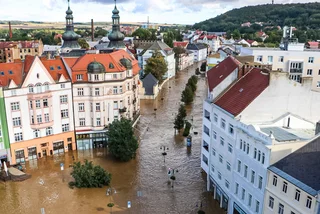
The middle of September 2024 brought huge floods to Czechia and Central Europe, and underlined the dangers of climate change in the country. During the spell, a weather station in an Olomouc town recorded 368 millimeters of rain in just one day – setting a new national record for daily rainfall (even more than the infamous Prague 2002 floods).

Inspecting stats from the ČHMÚ shows that rainfall is increasing in Prague. Last year saw 776 millimeters of rain fall in the country, an increase on 2023 (732 ml) and 2022 (634 ml). In fact, rainfall last year was 13 percent higher than the average between 1991-2020.
A stormy recent weeks
Different parts of Czechia have experienced, at times, tumultuous weather changes. In mid-June, Central Bohemia and the Ústí nad Labem region were affected by thunderstorms that downed trees, disrupted rail service, and prompted dozens of emergency responses.
The weather may be extreme but snow?
In Czechia, the summer has already brought several rounds of severe weather. In late June, powerful storms hit southern and eastern Moravia, leaving more than 7,000 households without power and causing 14 railway incidents, mostly from fallen trees.





A few weeks later, in mid-July, another wave of storms swept through the north of the country, with wind gusts reaching 75 km/h and heavy rainfall triggering warnings for Moravia and Silesia.
Watch out this weekend
Looking ahead, the unsettled pattern is expected to continue. The ČHMÚ has issued another official storm warning (though it is low-level) for this evening/night and Saturday, particularly in Bohemia. This warning also applies to Prague.
While the storms will likely be isolated, heavy downpours of up to 40 mm could again trigger local flooding: especially in mountainous areas where the soil remains saturated from earlier rains.
With the summer season far from over and the atmosphere still unstable, forecasters are urging continued caution. As the weather continues to shift between extremes, the safest bet may be to dress for all four seasons – just in case.
#KonvektivnÃSkupina âš¡ï¸DneÅ¡nà bouÅ™ky se vyvÃijà v prostÅ™edà s velmi slabým proudÄ›nÃm a stÅ™ihem vÄ›tru. Slabé proudÄ›nà vÄ›tru v podstatném vertikálnÃm rozsahu v atmosféře způsobuje, že jejich pohyb je minimálnÃ. BouÅ™ky a pÅ™eháňky téměř “stojÆna mÃstÄ›. Na animaci z radaru nÞe je to… pic.twitter.com/sK0asJr9Xe
— ÄŒeský hydrometeorologický ústav (ÄŒHMÚ) (@CHMUCHMI) July 25, 2025