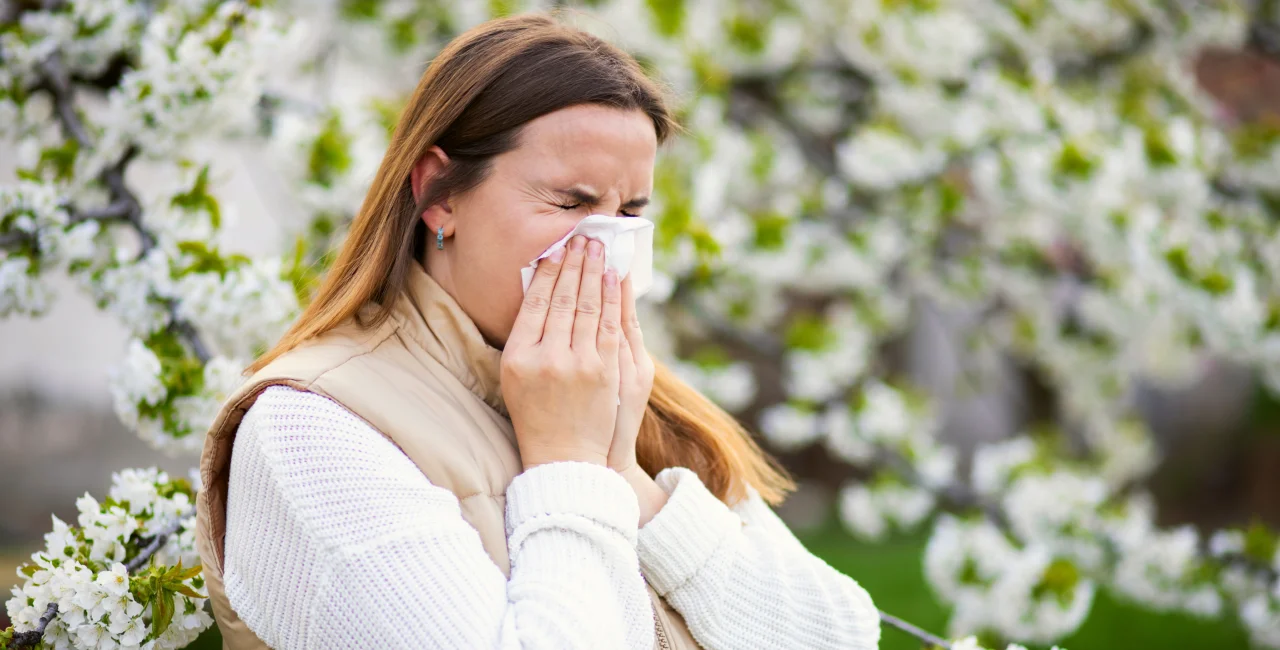


As the first blossoms appear in Petřín, Prague residents often face an unwelcome seasonal guest: the traditional "spring cold." While the city becomes more vibrant, the often swift transition from winter can significantly impact the body’s defenses.
Expats.cz spoke with MUDr. Diana Hodasová of expat-friendly and English-speaking healthcare firm Concierge Medicine to find out what to expect as the seasons switch, and how you can best protect yourself.
Why early spring in Prague strains the immune system
The coming of spring often leads to large temperature swings in the capital. Data from the Czech Hydrometeorological Institute shows that the average daytime temperature can nearly double between March and April (from 6.5°C to 11.7°C).
The figures also indicate that March often sees daytime highs reaching 10 degrees Celsius or higher, only to plummet back to freezing or lower after sunset.
Significant temperature fluctuations, weakened immunity after winter, and vitamin D deficiency also lead to high rates of sickness during spring,” Hodasová explains.
Which respiratory illnesses are circulating?
Flu and colds are what you need to look out for right now. Data from the Prague Hygiene Station shows respiratory illness rates in the capital at roughly several hundred to around one thousand cases per 100,000 residents during winter weeks.
But how do you tell the difference between either? Czechia’s National Health Information Portal outlines that the main difference is symptom onset and intensity: colds develop gradually, mostly in the upper respiratory tract, while the flu strikes suddenly and affects the whole body.
“The most common infections in spring are viral inflammations of the upper respiratory tract and a smaller proportion of bacterial infections requiring antibiotic treatment,” explains Hodasová. Covid-19, the expert says, hasn’t gone away either.
When to see a doctor in Prague
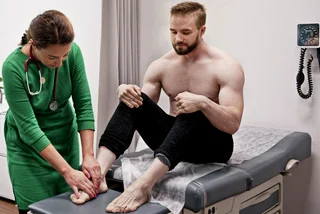
Knowing whether to see a doctor after several days of feeling sick is vital. Mentioning Covid-19, Hodasová says that high-risk patients should consider getting tested for the virus.
According to official Ministry of Health guidelines, while mild respiratory symptoms can typically be managed at home with rest and hydration, patients should contact their GP immediately if they observe specific "warning signs." These include difficulty breathing, chest pain, or a fever above 39°C that persists for more than three days.
The best methods to stay healthy
“Strengthening immunity by exercising outdoors, eating a balanced diet rich in vegetables and natural protein, avoiding processed foods and excess sugar, and getting around eight hours of sleep” is the best way to fend off illnesses, says Hodasová.
The Ministry of Health advises that if you catch the flu, you should limit contact with household members and, if possible, isolate yourself. It also states that you should wear a mask when contact is unavoidable, use disposable tissues, wash your hands regularly, and disinfect frequently touched surfaces.
If symptoms do develop, your local pharmacy can be a first port of call: the Czech Chamber of Pharmacists notes that its specialists are qualified to provide professional consultations and recommend over-the-counter relief without the need for a doctor’s appointment.