



 Reading time: 2 minutes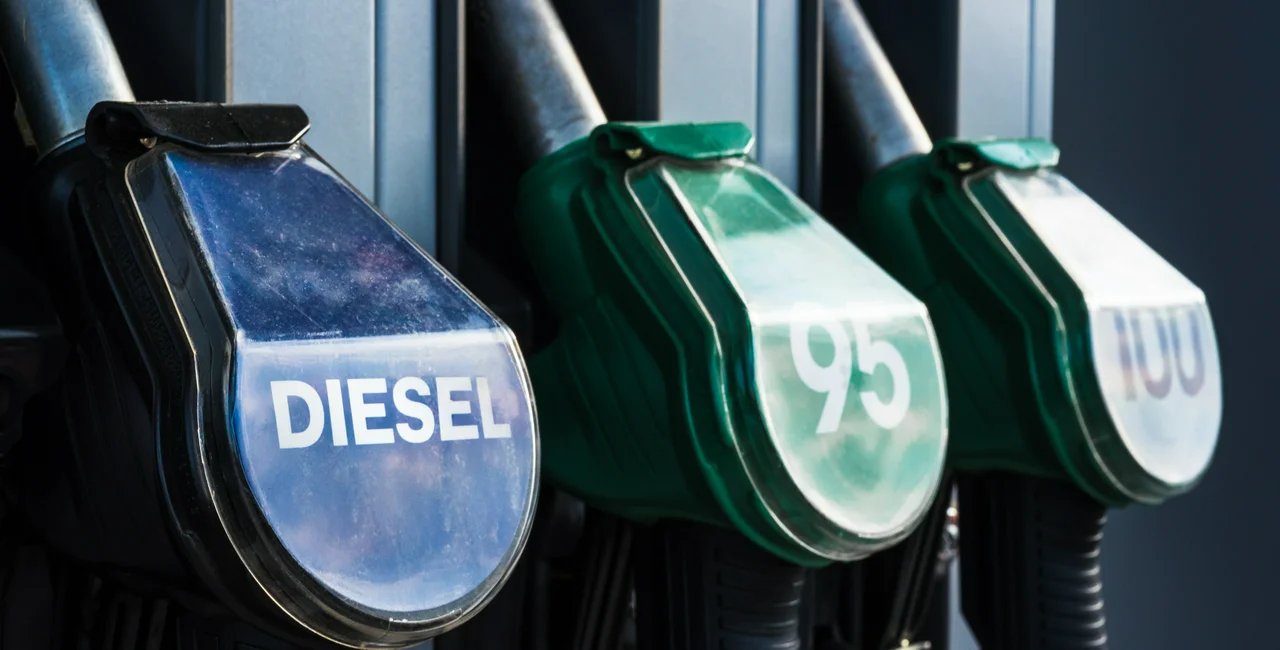

 Summary for: Czech fuel prices continue to rise in wake of Middle East conflict
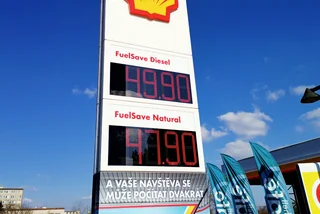
Prague motorists are feeling the pinch as diesel prices in Czechia surpassed CZK 41 per liter for the first time in over three and a half years. According to monitoring company CCS, diesel rose to an average of CZK 41.28 per liter on Thursday, while the most popular gasoline, Natural 95, now costs CZK 37.33 per liter, a level last seen in August 2024.
The surge comes after escalating conflict in the Middle East, which has pushed oil prices higher globally. Since late February, when Israel and the U.S. launched airstrikes on Iran, diesel in Czech pumps has climbed more than CZK 8, with gasoline up nearly CZK 4.

Fuel price trends and local impact
Daily increases have been noticeable for Czech drivers. Last week, diesel prices rose by CZK 0.60 to 1.25 per day, while gasoline gained around CZK 0.40 daily. Comparatively, a year ago, diesel averaged CZK 34.88 and gasoline CZK 35.42 per liter.
Analysts say the sharp rise is partly linked to global uncertainty. Jiří Tyleček, analyst at XTB, told Czech News Agency that the recent U.S. decision to temporarily allow imports of Russian crude from already loaded tankers may ease market panic slightly but will not dramatically lower prices in Czechia.
“Only oil already extracted and stored will enter the market. The effect is mainly psychological, calming price pressures rather than reversing the trend,” Tyleček said.
Experts caution that Czech and EU sanctions on Russian oil remain in place, limiting the direct impact on domestic fuel costs. “Any positive effect will be indirect, through a higher global supply reducing price pressures,” Tyleček added.
Kryštof Míšek, chief economist at Argos Capital, echoed this, noting that without stabilization of key shipping routes, the price relief will likely be minimal. “European and Czech fuel markets should continue to see high volatility rather than sustained drops,” he told Czech News Agency.

Middle East tensions continue
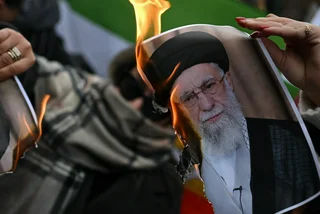
The spike in prices is linked to ongoing regional instability. Following U.S. and Israeli strikes targeting Iran, the country retaliated with drone and missile attacks on Israel and neighboring states. New Iranian supreme leader Mojtaba Khamenei has vowed to keep the strategic Strait of Hormuz closed, a critical corridor for global oil transport.
U.S. President Donald Trump justified the strikes as a measure to prevent Iran from acquiring nuclear weapons. Analysts warn that further escalation could push fuel prices even higher, with diesel facing the greatest risk of sharp rises.
While the U.S. decision on Russian oil imports provides some relief, Czech drivers should not expect quick or significant reductions at the pump. Prices are likely to remain elevated, with possible daily increases continuing in the near term, keeping households and businesses watching closely.