




 Reading time: 2 minutes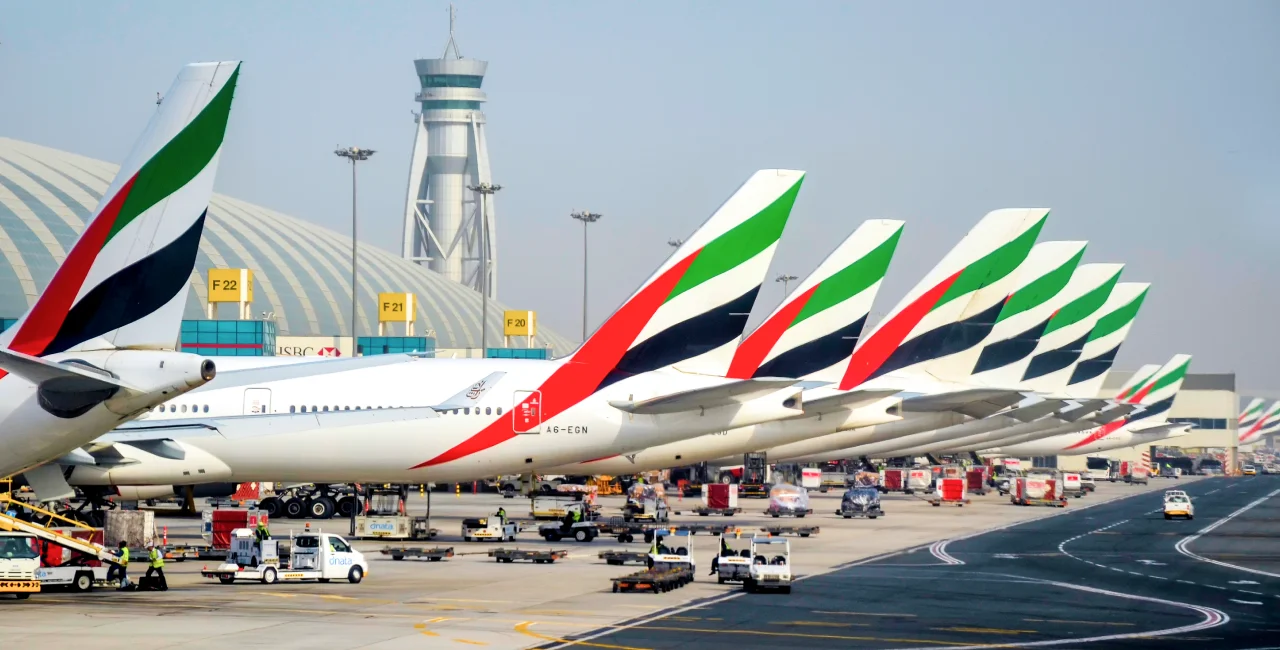

 Summary for: Middle East flight disruptions continue to hit Prague airport as cancellations mount
The air connection between Prague and the Middle East remains unstable following several weeks of regional conflict, with over 300 flights canceled since late February.
Travelers at Václav Havel Airport continue to face daily disruptions, affecting popular holiday destinations and key transit hubs for tourists from Czechia.

Speaking to the Czech Press Agency (ČTK), Prague Airport spokeswoman Denisa Hejtmánková said a total of 319 flights have been canceled to date. The instability primarily impacts routes to the United Arab Emirates, Israel, and Oman. On Tuesday alone, 21 flights were grounded, with another 20 cancellations expected for Wednesday.
Situation 'dynamic'
"The situation is very dynamic," Hejtmánková said, noting that while some carriers are holding onto their slots to react quickly to changes, others have significantly scaled back.
For those planning travel, the landscape of available carriers is shifting. Emirates has managed to resume daily flights to Dubai, and Qatar Airways returned to its Doha route yesterday with three flights per week.
However, other popular low-cost options remain grounded. Carriers including Smartwings, Ryanair, and Air Arabia have temporarily suspended their services to Dubai, Amman, and Sharjah, respectively.
The disruptions are forcing Czech travel agencies to overhaul their spring schedules. Major providers such as Čedok and BlueStyle have canceled all organized tours to Dubai and Oman through early April. "Čedok will not offer tours to these countries until October," confirmed spokeswoman Klára Divíšková, signaling a long-term shift in local tourism patterns.
Beyond the cancellations, those who must travel are facing a sharp increase in costs. Data from the booking portal Kiwi.com shows that average ticket prices for last-minute flights from the region have more than doubled. For routes arriving in Prague, tickets in the first half of March were approximately 113 percent more expensive than they were in mid-February.
Despite the volatility, Jan Papež of the Association of Travel Agencies noted that some operators are still utilizing Dubai as a transit point for further destinations, though only after strict consultation with the Ministry of Foreign Affairs.
While the conflict has spiked prices for long-haul routes to Asia, with flights to Japan and South Korea rising by up to 29 percent, local experts suggest the overall impact on the average Czech traveler remains limited. Most residents continue to prioritize European destinations like Spain and Italy, which remain unaffected by the current Middle Eastern airspace instability.