 Reading time: 2 minutes

 Summary for: Czech public-sector salaries could rise by up to CZK 9,000 in 2027
Hundreds of thousands of public-sector employees in Czechia could see their salaries rise from January 2027 under a sweeping reform agreed upon Monday by government representatives, trade unions and employers. Increases could range from zero to approximately CZK 9,000 per month, with the largest gains expected for lower-paid workers and those starting their careers.
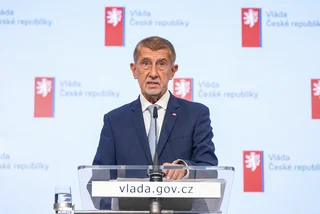
Finance Minister Alena Schillerová and Labor Minister Aleš Juchelka, both from ANO, announced the agreement following tripartite negotiations on Oct. 19. The reform will introduce new salary tables designed to simplify public-sector pay and ensure that no basic salary falls below the statutory minimum wage.
The government plans to allocate nearly CZK 34 billion to the changes next year, equivalent to an average increase of approximately CZK 4,000 per employee per month, according to Schillerová. However, individual increases will vary considerably, and some workers may see no immediate change to their total earnings.
How the new salary system will work
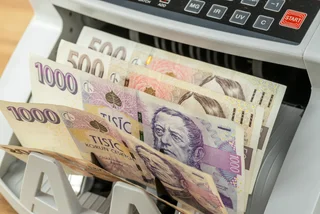
Under the proposed reform, the lowest basic salary in the public sector will match Czechia's minimum wage, set at CZK 24,900 per month for 2027.
Higher salary categories will be separated by at least 4 percent, reflecting differences in qualifications, job complexity and responsibility.
The government will also simplify the system for recognizing professional experience. Most employees will move from the current 12 salary steps to eight, with increases generally awarded after every five years of recognized service.
The changes will also recognize experience beyond 35 years, compared with the current maximum of 32 years.

Schillerová said the reform would particularly benefit employees on the lowest salary scales and younger workers at the beginning of their careers.
According to illustrative calculations from the Labor Ministry, an employment office worker with 11 years of experience currently earning CZK 32,930 could receive at least CZK 4,120 more each month. A cleaner with equivalent experience earning CZK 22,400 could see an increase of at least CZK 3,510.
However, a higher basic salary will not necessarily translate into an equivalent increase in take-home pay. Employers will be permitted to offset some increases by adjusting personal allowances, provided employees' overall salaries do not decline.
Who benefits, and what happens next?
Jiří Horecký, president of the Confederation of Employer and Entrepreneur Associations, said individual increases could range from nothing to approximately CZK 9,000.
The reform is intended to address longstanding problems with public-sector salary tables, under which some basic rates currently fall below the minimum wage or legally guaranteed pay levels.

From 2028, public-sector salary scales are expected to be adjusted regularly in line with increases in the minimum wage, which is itself linked to average wage growth.
The government will also need to account for additional spending by regional and municipal authorities. The final cost to local governments remains unclear, although Zlín Regional Governor Radim Holiš said regions had received a commitment to increase state funding for delegated administrative responsibilities by 5 percent.
Not all public-sector professions are covered by the agreement. Teachers' salaries will be negotiated separately with education unions, Education Minister Robert Plaga said.

Discussions also remain open over the salary tables for nurses and doctors, according to Schillerová.
The changes require an amendment to the Labor Code, which lawmakers are expected to discuss Tuesday, Oct. 20. The government is scheduled to approve the final salary tables and specific pay rates in December, ahead of their planned introduction on Jan. 1, 2027.