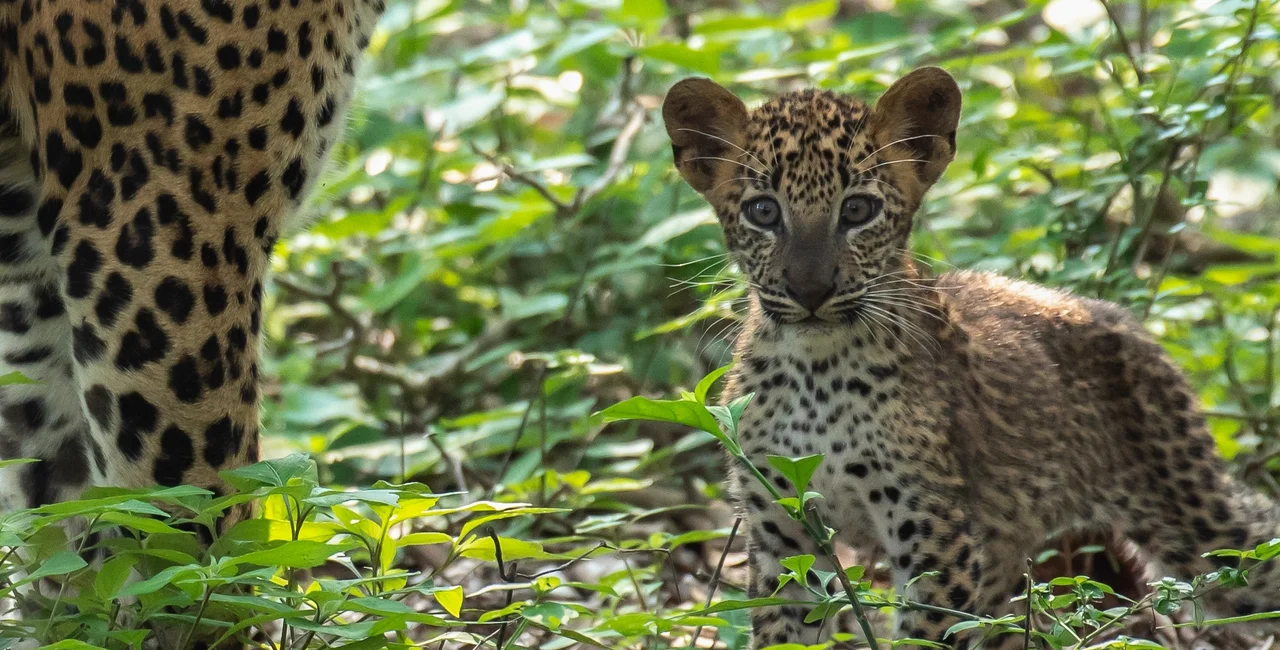
Two rare Sri Lankan leopard cubs have been born at Ostrava Zoo, a significant addition to a European breeding population numbering fewer than 60 animals across 27 zoos.
The cubs arrived in the early hours of Oct. 8, approximately an hour apart, following an uncomplicated birth. Their 12-year-old mother has previously raised four cubs in two litters.
According to the zoo, they are the only cubs born within the European breeding program for the subspecies over the past year. The Indian Predators pavilion is temporarily closed to give the mother quiet while she cares for her newborns.
Keepers watch from a distance
The cubs are born blind and depend entirely on their mother. Keepers are allowing her to raise them without intervention, monitoring the birthing den through cameras rather than entering or handling the animals.
Their sex is not yet known. Zoo spokesperson Šárka Nováková told Novinky.cz that their first veterinary examination is planned when they are about a month old.
Carnivore curator Matěj Vrúbel said this would probably be the mother’s final litter. Leopard cubs naturally become independent at around 2 years old, by which time she is likely to be beyond her reproductive years.
For now, the family remains in a heated den behind the pavilion’s public areas. Its plain appearance serves a practical purpose: the space is designed around the animals’ needs during birth and early development.
Event & Nightlife Promoter (Clubs, Bars & Events)

English
Prague • CZK 30,000 - 60,000
The zoo does not provide straw or wood-chip bedding in the den. Staff say the mother actively removes such material and that it can pose a suffocation risk to newborn cubs.
She also keeps the den clean herself, allowing keepers to avoid disturbing the family during this sensitive period.
Nearly five decades of leopard breeding
Ostrava Zoo has kept Sri Lankan leopards continuously since 1977 and has successfully raised 17 cubs during that time.
More recent births include two females in 2008, a male and female in 2022, and two females in 2024. Keepers hope the latest arrivals will eventually join that record of successful breeding.
The small size of the population managed through the European Ex situ Programme makes the births particularly significant. However, the newborns are still in their earliest stage of development, and staff are prioritizing undisturbed maternal care.
The zoo is also preparing plans for new facilities for Sri Lankan leopards and Asiatic lions. A public fundraising campaign launched this spring will help pay for project documentation, an initial step before construction can begin.
Visitors hoping to see the newborns will need to wait: the pavilion remains closed until further notice, and the zoo has not announced when the cubs might make their public debut.