 Reading time: 3 minutes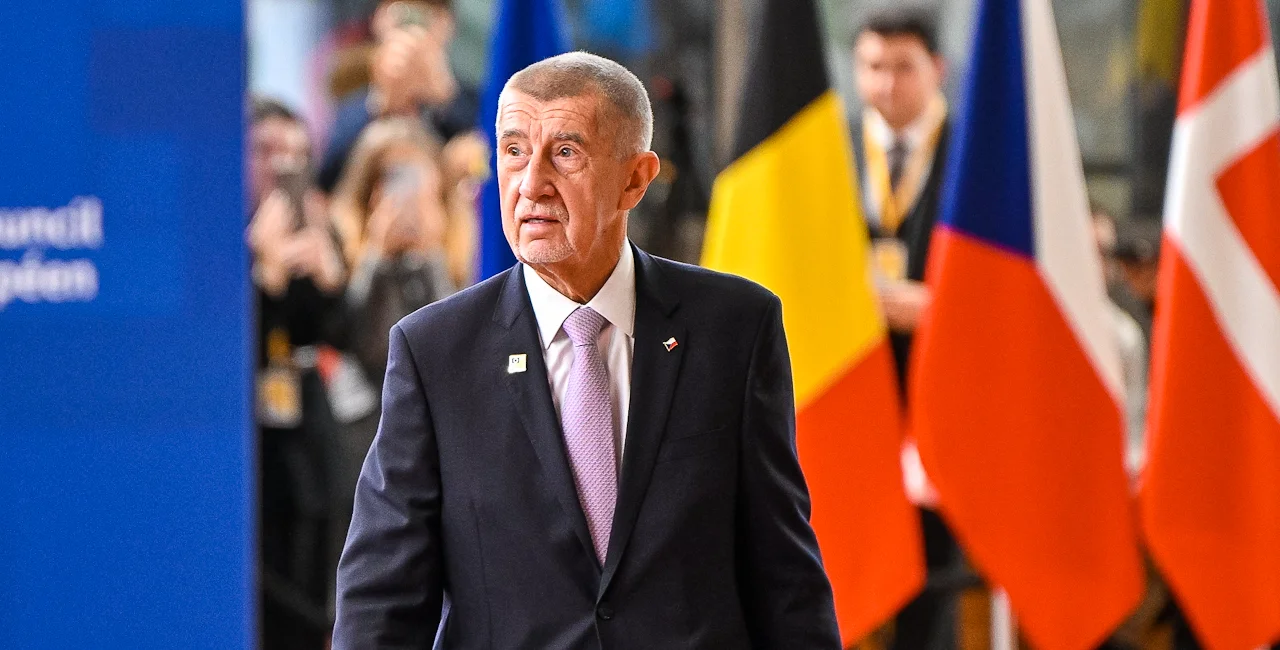

 Summary for: Czech Senate elections 2026: This weekend's winners and a 'catastrophic' loser
Czechia’s Senate elections delivered a clear victory for opposition parties Saturday, with the Mayors movement and ODS taking the largest shares of the 27 seats contested. Prime Minister Andrej Babiš’s ANO failed to win a single seat despite having 13 candidates in the runoff.
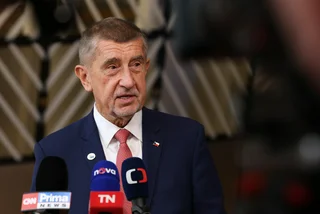
Babiš called the result “catastrophic,” while opposition leaders celebrated retaining control of the upper chamber. The outcome also strengthens Miloš Vystrčil’s prospects of remaining Senate president.

But winning seats and expanding parliamentary influence are different things. STAN topped the election results yet expects its Senate group to remain the same size, while ANO’s complete shutout translates into the loss of just one existing seat.
The winners: Mayors, ODS and some strong local names
STAN and its regional allies took the most seats. Together, Starostové a nezávislí and Starostové pro Liberecký kraj secured 10 of the 27 seats contested, including two won outright in the first round.
Among their successful candidates were Michael Kašpar in Kolín, Petr Štěpánek in Příbram and Miroslav Plevný in Cheb, all of whom defeated ANO opponents with more than 70 percent of the runoff vote.

In Česká Lípa, Liberec regional Governor Martin Půta overturned ANO candidate Jitka Volfová’s first-round lead to win nearly 56 percent.
STAN leader Vít Rakušan presented the results as evidence that his movement could challenge ANO even in its stronger regions. However, the Mayors’ Senate group expects to retain 18 members rather than expand: it had substantially more seats to defend than ANO.

ODS gained ground and retained the strongest parliamentary platform. The Civic Democrats won seven seats after defending five of their own. Successful candidates included Ondřej Šimetka in Ostrava and Zuzana Ceralová Petrofová, who defeated former European Affairs Minister Martin Dvořák in Hradec Králové.
The joint ODS and TOP 09 Senate group could grow from 30 to 31 members if existing affiliations hold. That would keep it the largest group and leave Vystrčil well placed to retain the chamber’s presidency. STAN has indicated it will not seek that position.
The Christian Democrats and TOP 09 held their ground. KDU-ČSL retained all three seats it was defending, while TOP 09 retained both of its contested seats. Newly elected Frýdek-Místek senator Petr Korč has also agreed to join the Christian Democrats’ parliamentary group.
Local candidates produced some of the most striking results. In Karviná, Petr Kazík, nominated by Osobnosti pro kraj, defeated ANO’s Lenka Brzyszkowská despite finishing the first round with just 14.3 percent against her 33.62 percent. He won the runoff with 51.70 percent.
The losers: ANO’s shutout and the Pirates’ exit
ANO had 13 finalists and no winners. The governing movement contested 24 districts and advanced to the runoff in 13, but lost every final-round contest.
Its defeat in Karviná also cost it the only seat it was defending, reducing its parliamentary group from 15 members to 14.
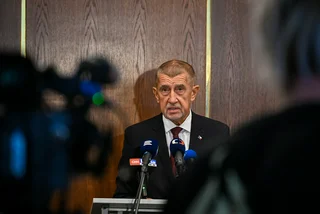
Babiš blamed shortcomings in regional organizations and questioned whether some candidates had relied too heavily on the party brand. He nevertheless ruled out changing the government’s strategy because of the result.
The Pirates lost their direct Senate representation. None of the party’s nominees won a seat, with incumbent Adéla Sucharda Šípová defeated in the runoff.
The result also leaves the former SEN 21 and Pirates group below the five-member minimum required for an official Senate caucus. Reelected SEN 21 leader Václav Láska would need two additional senators to rebuild it.
The opposition keeps a strong counterweight to the government. Groups associated with the former governing coalition could together hold 61 of the Senate’s 81 seats, although final affiliations remain subject to negotiations.
That gives opposition parties continued influence in Parliament’s upper chamber. It does not, however, make the result a direct forecast of a parliamentary election: only one-third of Senate seats were contested, and runoff turnout was 21.12 percent, with 475,714 people voting.

The clearest verdict is narrower: ANO’s national strength again failed to translate into Senate victories, while opposition parties and established local candidates proved more effective in the decisive head-to-head contests.