




 Reading time: 2 minutes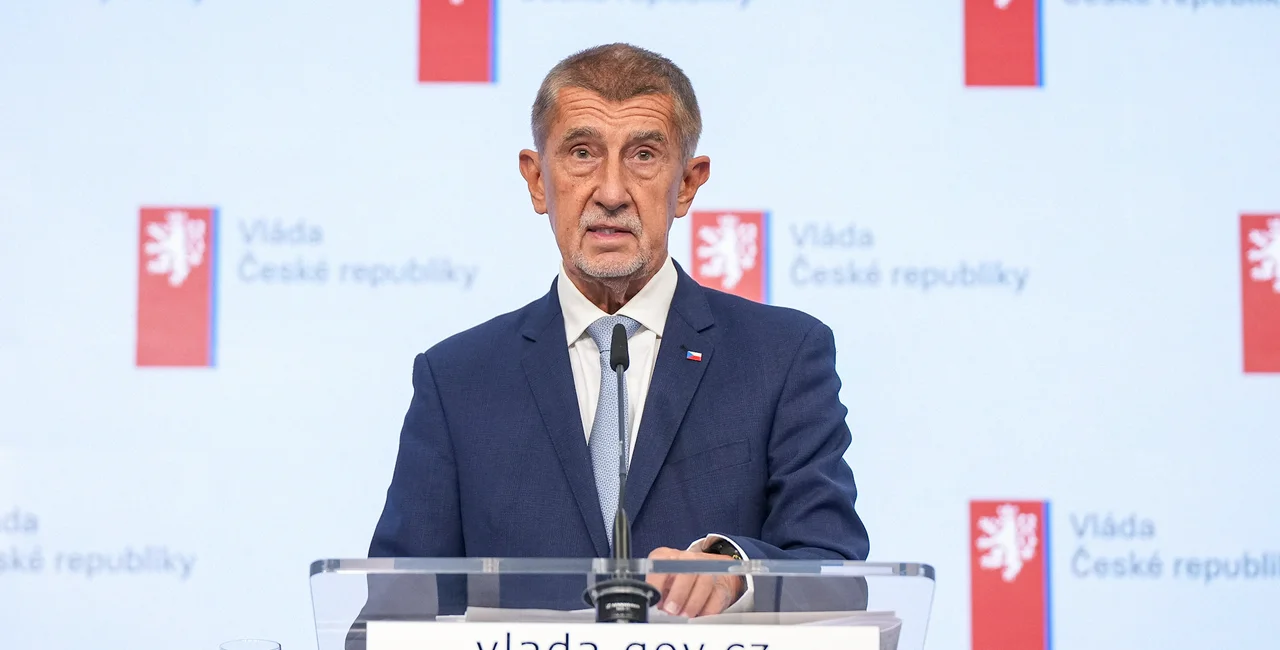

 Summary for: Czech budget plans more for salaries and pensions, with a huge deficit
Czechia’s government approved a 2027 budget proposal Monday that would increase spending on public-sector pay, pensions and education while running a CZK 386 billion deficit. If approved by Parliament, the gap between state revenue and spending would be the country’s second-largest on record.
The proposed deficit is CZK 3 billion smaller than in the Finance Ministry’s August draft, but CZK 76 billion larger than the deficit planned for this year. The cabinet approved the proposal unanimously, Prime Minister Andrej Babiš said.

For residents, some of the clearest changes are in public services and household costs. The plan provides for public-sector pay increases of 5 to 9 percent, while the state would continue paying the renewable energy fee on consumers’ behalf. Spending on pensions and education has also risen since the August draft.
What is in the plan?
The government expects to collect CZK 2.199 trillion next year and spend CZK 2.585 trillion. Revenue is projected to rise 3.9 percent from this year, while spending would increase 6.5 percent.
Finance Minister Alena Schillerová said a higher estimate for income from emissions allowance sales helped lift projected revenue by CZK 9 billion since August. Planned spending rose by CZK 6 billion over the same period, particularly for education and pensions.
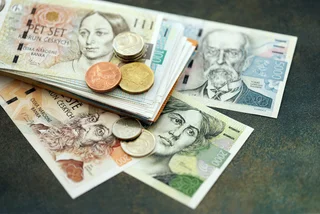
The amount set aside for public-sector pay would increase by CZK 33.9 billion. The government has yet to say how the proposed raises will be divided among professions; it plans to discuss those details with unions.
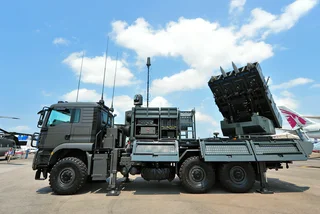
Defense spending would reach CZK 191 billion, or 2 percent of gross domestic product for the first time, according to Schillerová. The Finance Ministry also puts planned investment spending at roughly CZK 290 billion, compared with about CZK 260 billion in this year’s budget.

Debate over borrowing
The government describes the budget as focused on investment and health care. Jan Berka, chief economist at investment platform Portu, told ČTK the deficit is too high for the current state of the economy.
Berka argued that investment accounts for only part of the spending increase. Because the proposed deficit exceeds planned investment by about CZK 100 billion, he said the state would also be borrowing to cover day-to-day operations.

Debt servicing is another growing cost. The government expects it to rise from CZK 110 billion this year to CZK 130 billion in 2027.
The full budget documents have not yet been published. The government must submit its proposal to the lower house by the end of September, where lawmakers will decide whether to approve the overall revenue, spending and deficit figures. The Senate does not vote on the state budget.