 Reading time: 2 minutes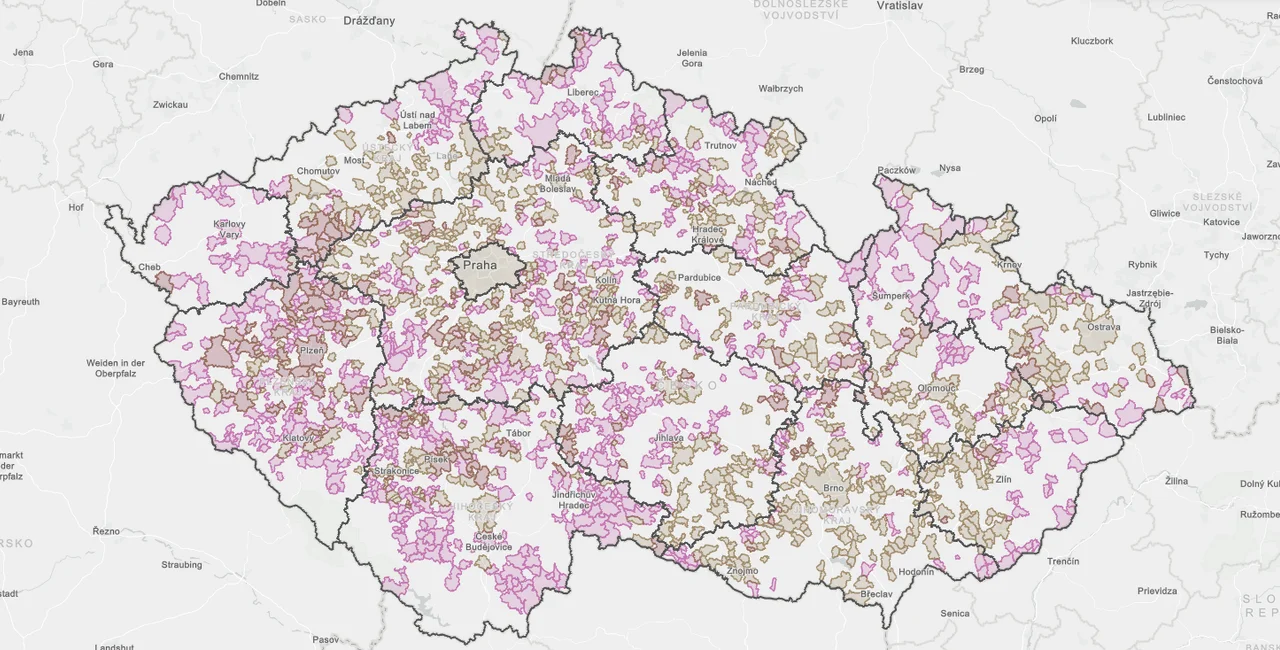

 Summary for: Mapped: Around 1,000 Czech communities identified as most at risk of drought
The Czech Hydrometeorological Institute has mapped approximately 1,000 communities most threatened by drought, as the Environment Ministry sets aside CZK 500 million for measures to help them retain water.
The interactive map is available online. Funding from the State Environmental Fund is intended primarily for landscape improvements such as small ponds and patches of trees and shrubs, Deputy Environment Minister Pavel Vlček said Monday.
The announcement follows a meeting of the National Coalition to Combat Drought, convened amid depleted reservoirs and continuing water shortages in parts of Czechia.
Local water sources leave communities vulnerable
More than 90 percent of residents in the most vulnerable communities depend on local water sources, Agriculture Minister Martin Šebestyán said.
Alongside measures to retain water, he advocated connecting water supply systems so communities could draw on alternative sources when their own supplies come under pressure.
The mapping work encompasses more than the country’s traditionally dry areas. In August, ČHMÚ hydrology director Jan Daňhelka explained that researchers had identified roughly 1,000 cadastral areas, including higher-altitude locations that can dry out during extreme conditions, iDNES.cz reported.
The map is a tool for identifying vulnerable places and targeting preventive measures. Inclusion should not be read as an announcement that a community’s drinking water supply is currently restricted.

Vlček said the ministry had planned more than CZK 6 billion in drought-related investment this year, with the additional CZK 500 million allocated to the most threatened communities.
New warnings planned as authorities inspect water use
ČHMÚ plans to introduce a new drought warning system from 2027, intended to improve information for water-management and emergency authorities, according to the Environment Ministry.
A proposed amendment to the Water Act would also allow treated wastewater to be used for selected purposes, including irrigation. Vlček said this could reduce unnecessary use of other water supplies.
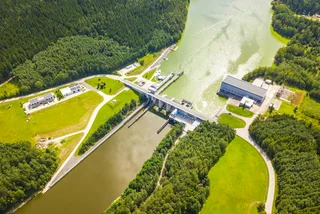
Authorities have meanwhile been checking small hydropower plants’ compliance with rules governing water flows. More than 100 facilities were inspected in September, with shortcomings found at more than 20 percent, Vlček said.
The government revived the national drought coalition in August following hot, dry weather that pushed some river flows toward historic lows. Monday’s meeting followed reports that the Husinec reservoir in South Bohemia had nearly dried out.

A state of water shortage remains in force on the Vltava and Elbe rivers in Central Bohemia. However, Povodí Vltavy Director General Petr Kubala said reservoirs used to supply drinking water remained sufficiently filled and supply restrictions were not threatened.
Residents can consult the new map for local vulnerability and follow ČHMÚ’s hydrological drought information for conditions in rivers and groundwater. Any local restrictions should be checked through the relevant municipality or water authority.