



 Reading time: 2 minutes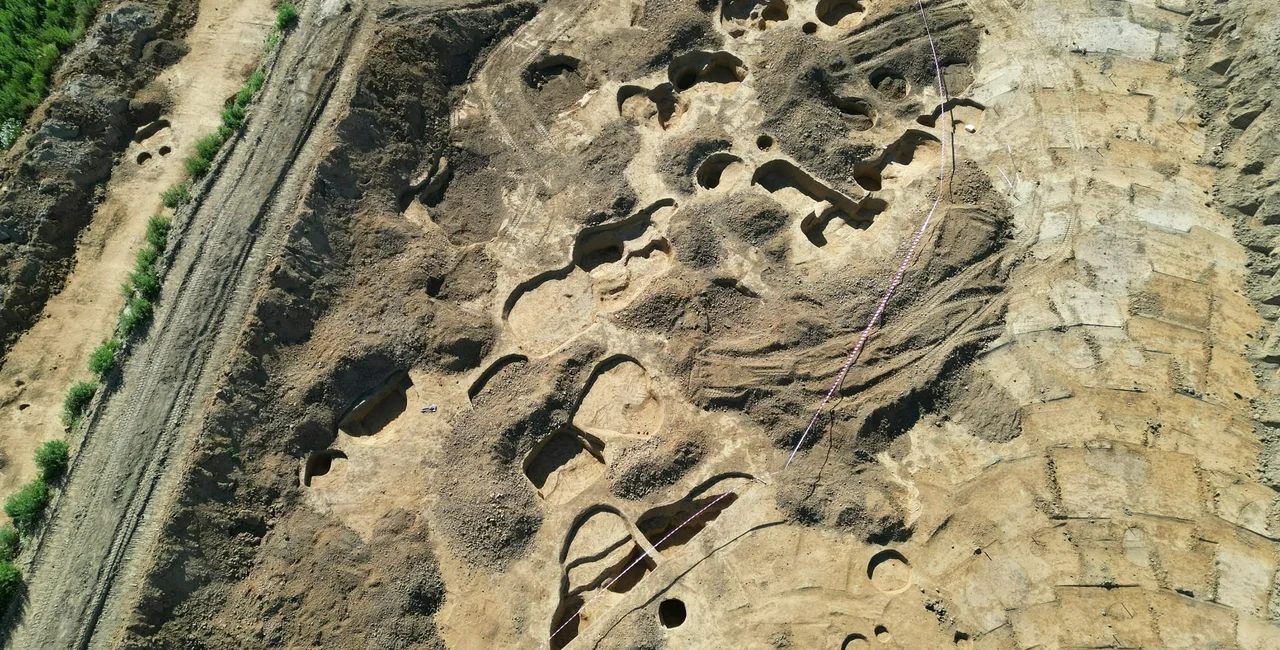

 Summary for: A highway to the Stone Age: Czech dig reveals 7,000-year-old homes
A future highway near Přerov has revealed the outlines of homes built some 7,000 years ago. Archaeologists surveying the D55 route between Kokory and Přerov found traces of about 16 long wooden houses, some stretching as far as 36 meters.
The houses belonged to early farming communities. Along the same stretch of less than seven kilometers, researchers uncovered evidence of settlement from the Neolithic period through the Middle Ages, the Archaeological Center Olomouc announced Tuesday.
The scale of the finds surprised even on a route where archaeologists expected to find remains. The team investigated 1,879 traces of settlement activity and 65 graves. It confirmed all 12 previously identified archaeological sites and found a 13th that had not been known before.
What was beneath the future highway?
The largest concentration of finds came from Kokory–Podsedky, where archaeologists examined 974 features left in the ground. Elsewhere near Kokory and Rokytnice, they identified the footprints of longhouses associated with the Linear Pottery culture, whose members were among the first farmers in central Moravia.
The wooden walls are long gone. What remains are traces of where the buildings stood, alongside storage pits, ovens and other evidence of daily life. Together, they offer a picture of communities that lived and worked on the land thousands of years before the planned highway.
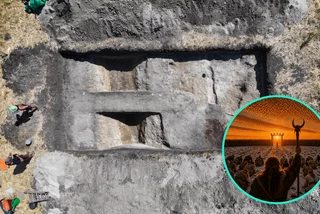
“This research confirmed that the landscape between Kokory and Přerov was settled over a long period,” said Marek Kalábek, who led the excavation for the Archaeological Center Olomouc.

The survey also uncovered burial grounds from the beginning of the Bronze Age and 18 cremation graves from its later period. Objects found with the dead included copper ornaments, bone beads, flint arrowheads, pottery, bronze pins and bracelets.
One discovery came late in the fieldwork. While excavating the route near Dluhonice, the team identified a previously unknown site containing a grave from the Corded Ware culture. The burial held pottery vessels, a copper ornament and a stone tool.
What happens to the finds now?
The excavation was carried out ahead of construction by the Archaeological Center Olomouc for the Czech road authority. Fieldwork ran from September 2025 until July 29, 2026, but the research is far from finished.
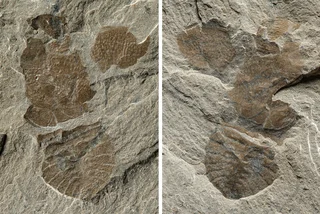
Specialists will clean, conserve and document the finds before studying them in detail. They will then pass the material to the Museum Archaeology Center at the Olomouc Regional Museum. Further analysis may clarify how the settlements developed and what the different burial sites reveal about the people who lived there.
For anyone curious about what lay beneath the D55 route, Kalábek will discuss the most notable discoveries at the Archaeological Center Olomouc on Oct. 17. The free Archaeology Day program runs from 10 a.m. to 5 p.m.