




 Reading time: 2 minutes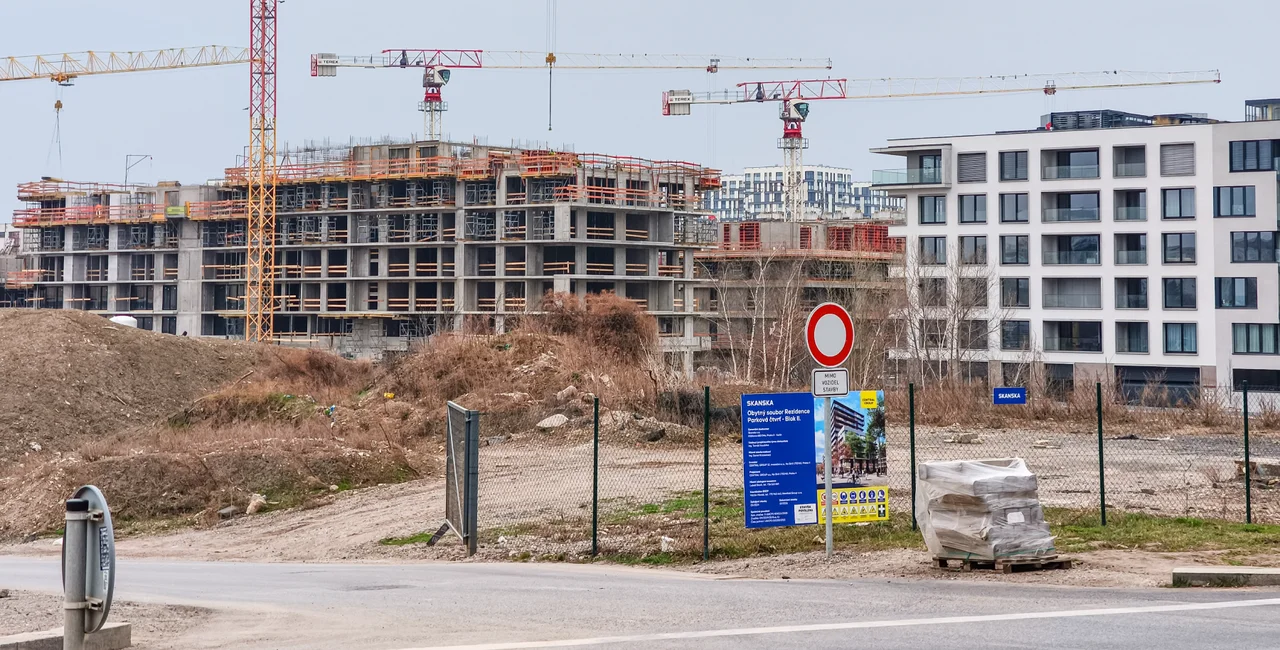

 Summary for: Czech local elections may shape housing more than the national economy
Czechia’s municipal election results are unlikely to significantly change economic growth, inflation or unemployment, analysts told ČTK on Saturday. They also expect little immediate reaction in the koruna’s exchange rate or government bond yields.
For residents, however, the economic consequences could be more tangible closer to home. Newly elected councils will influence public investment and land-use planning, including where new housing can be built.
The distinction matters in a country where housing availability remains a major economic constraint, according to Portu analyst Jan Berka. While national economic policy largely rests with the government, town halls hold important powers affecting local development.
National outlook remains tied to wider pressures
UniCredit Bank chief economist Martin Komrska said municipal elections traditionally have little effect on Czechia’s overall economy. The principal economic policy tools remain in the government’s hands, and he does not expect the local results to significantly alter its direction.
Instead, the economy will remain sensitive to external pressures, particularly the consequences of the conflict in the Middle East, he told ČTK.
Investika analyst Vít Hradil said municipal elections would need to produce exceptionally far-reaching changes, especially in Prague, to substantially influence the national economy. Based on the estimates available Saturday, he did not anticipate such an upheaval.
XTB economist Pavel Peterka similarly described the nationwide economic significance as difficult to measure and probably statistically insignificant. He said the debate over how tax revenues are distributed among municipalities would be more important for cities’ finances.

Berka pointed to domestic and foreign demand, energy prices, interest rates and national budget policy as the main forces determining the economy’s direction.
Housing and investment depend on town halls
Local governments nevertheless account for a significant share of public investment and decide on zoning plans that establish where, and under what conditions, new apartments can be built, Berka said.
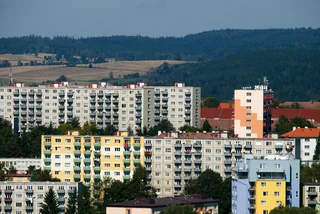
He described housing availability as one of the Czech economy’s main structural constraints, with a substantial part of the solution resting with municipal authorities.
Election timing can also influence spending. Councils tend to increase investment before voting, concentrating on projects residents can see. Activity may subsequently slow as projects finish or incoming leaders reassess priorities.
For the national economy, Berka said, this generally shifts investment between periods rather than generating an additional stimulus.

The incoming councils will take office against a backdrop of substantial local-government savings. Municipalities and regions collectively hold more than CZK 500 billion in their accounts, according to Berka.
Those reserves are unevenly distributed: large cities hold a significant share, while smaller municipalities may save for years to finance one major project. Lengthy permitting procedures and limited capacity to prepare and deliver projects can also delay investment.
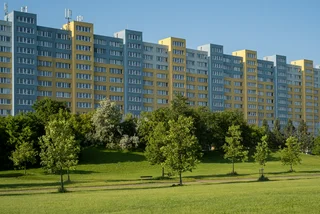
For residents following the results, the practical economic questions therefore extend beyond which party wins: how the next council approaches housing, infrastructure and its investment budget may matter more locally than any immediate movement in national indicators.