 Reading time: 2 minutes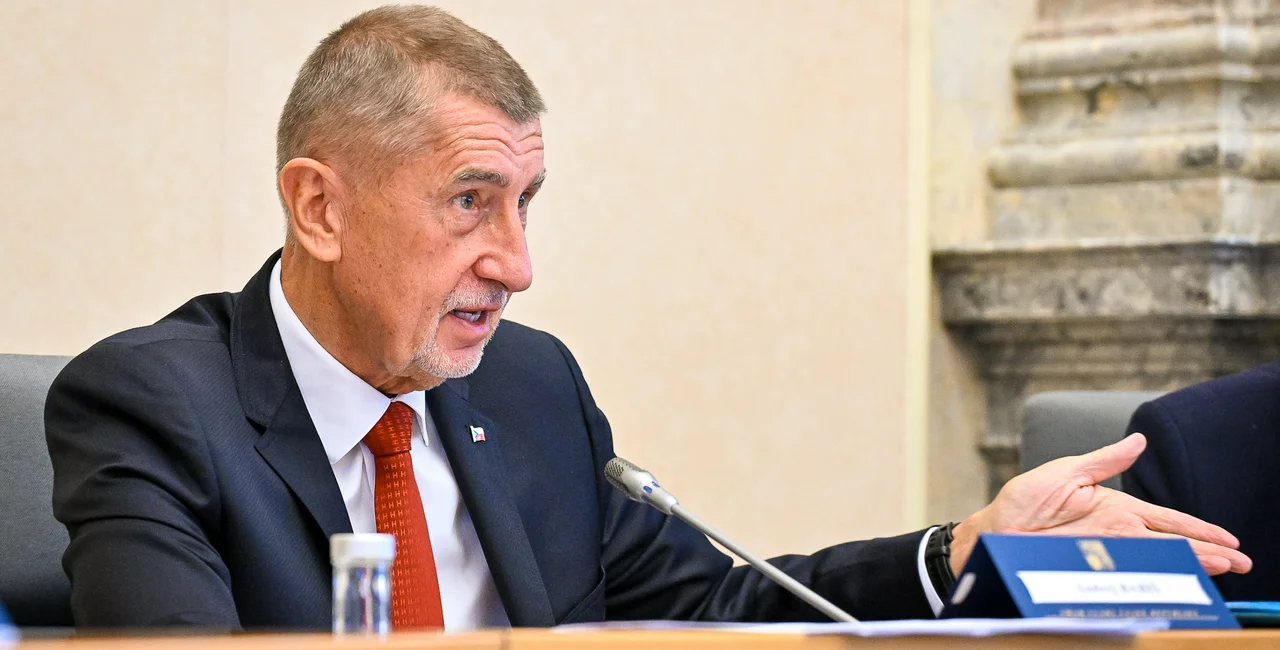

 Summary for: Czech PM calls Trump’s Russian diesel deal a ‘slap in the face’ for Europe
Prime Minister Andrej Babiš called U.S. President Donald Trump’s agreement with Russia on diesel supplies a “big slap in the face for Europe” on Saturday, urging European leaders to respond.
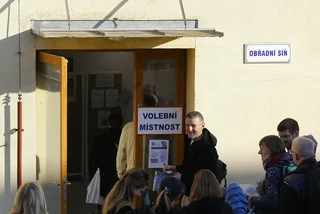
Speaking at a news conference on Czech municipal and Senate election results, Babiš said the deal was shocking given Trump’s previous criticism of European purchases of Russian energy. His comments came a day after Trump announced an agreement with Russian President Vladimir Putin.
“I understand that he has elections coming up. For Europe, this is a big slap in the face,” Babiš told ČTK. “We’ll see what our colleagues in Europe say.”
An energy deal with political consequences
Trump said Russia would immediately supply more than 300,000 metric tons of diesel to U.S. and global markets, with further shipments planned. The U.S. administration also temporarily eased sanctions to allow Russian diesel imports, Reuters reported.
The announcement comes ahead of U.S. congressional elections on Nov. 3, with high fuel prices putting pressure on Trump’s Republicans.
Babiš said Europe needed to act, with EU leaders due to meet Thursday and Friday. He did not specify what response he wanted but warned that failing to recognize the need for action would have negative consequences.
Industry and Trade Minister Karel Havlíček described Europe as the “energy loser” of the wars. He said European diesel prices were 40 percent higher than those in the United States and argued that Europe faced a similarly unfavorable position on gas prices. Those comparisons were presented by the minister without further detail in the ČTK report.

Trump has recently blamed Ukrainian attacks on Russian refineries for rising fuel prices while rejecting responsibility for increases linked to the war with Iran, which the United States and Israel began in late February.
Czech ministers see uncertain benefits
Foreign Minister Petr Macinka said he hoped Putin’s willingness to sell diesel might also signal a willingness to negotiate peace. However, he told ČTK it remained unclear whether Russia had offered any concessions in exchange for the agreement.
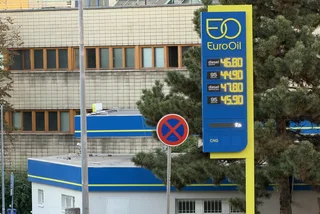
Macinka said he did not expect the deal to affect fuel prices in Czechia.
Former Prime Minister Petr Fiala was more critical, describing the agreement as an election campaign measure rather than a route to sustained lower prices. He argued that it would increase Russia’s revenues, weaken Ukraine’s ability to defend itself and strengthen authoritarian regimes.
Energy experts also questioned how much relief the additional supplies could provide. Increased Russian shipments would not necessarily resolve broader shortages in global refining capacity, The Associated Press reported.

For motorists in Czechia, the announcement therefore offers no confirmed prospect of cheaper diesel. The immediate debate centers on its implications for European energy policy and efforts to restrict the revenues funding Russia’s war against Ukraine.