
 Reading time: 2 minutes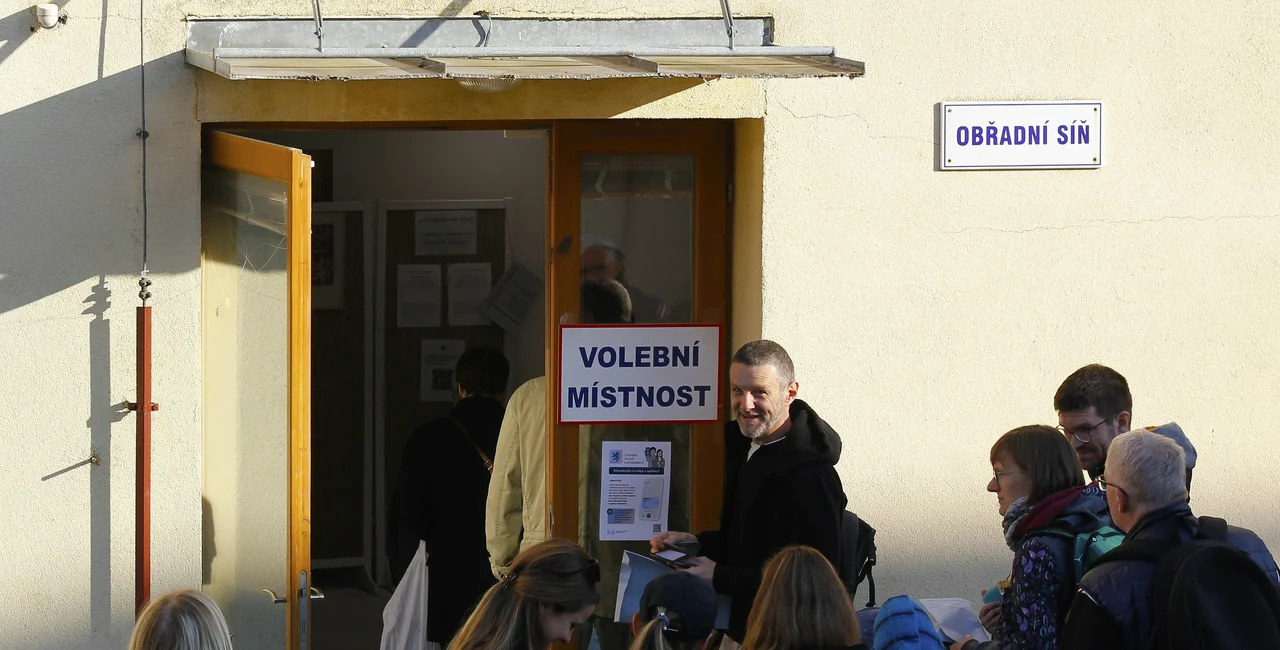

 Summary for: Czech polls close as vote counting begins for local councils and Senate
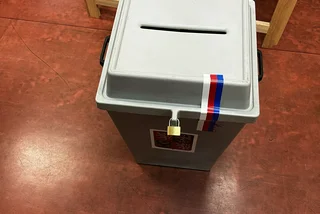
Voting in Czechia’s municipal elections and the first round of Senate elections ended at 2 p.m. Saturday, Oct. 10, with election officials now counting ballots across the country.
Voters chose local councils for the next four years and cast ballots for 27 of the Senate’s 81 seats. Complete municipal results are expected by Sunday morning because of the more complicated counting process.
Early turnout estimates suggested roughly half of eligible voters participated, although the final figure will emerge during counting. The Czech Statistical Office is publishing results progressively on its official election website.
Local results will shape the next four years
Approximately 190,000 candidates competed for around 62,000 municipal council seats, about 5,000 fewer candidates than in the previous elections in 2022. More than eight million people were eligible to vote.
Elections covered roughly 6,255 municipalities. Five others could not hold voting because too few candidates registered, according to the Interior Ministry.
Competition was limited in many smaller communities. About one-third of municipalities had only one candidate list, while in roughly one-sixth, the number of candidates matched the number of available seats.
ANO is defending its position as the party receiving the most municipal votes in 2022, when it won in most regional capitals. The Christian Democrats, KDU-ČSL, nevertheless secured the most council seats among political parties, reflecting their strength in smaller communities, particularly in rural Moravia.

These measures can produce different pictures of success: winning substantial support in a large city does not necessarily translate into more council seats nationwide.
Senate control remains at stake
A total of 154 candidates sought Senate seats, including 23 incumbents seeking another term. The remaining 54 senators are continuing in office and were not subject to this year’s vote.
The Mayors’ Senate group has the most seats to defend, with 11, followed by the joint ODS and TOP 09 group with nine. ANO is defending one seat.
The ODS–TOP 09, Mayors and Christian Democrat groups would retain a combined minimum majority if their candidates won four of the contested seats, according to ČTK’s calculations. The governing ANO and SPD movements would need to win all 27 contested seats to secure a majority.

Some constituencies may elect their senator in the first round, while others will require a runoff. In Rychnov nad Kněžnou, where only two candidates competed, the winner is expected to be known Saturday.

Any second-round voting will take place Oct. 16–17, according to the Czech Statistical Office’s election calendar. Residents following their local outcome can check the official results site throughout the evening, with the full municipal picture expected Sunday morning.