



 Reading time: 2 minutes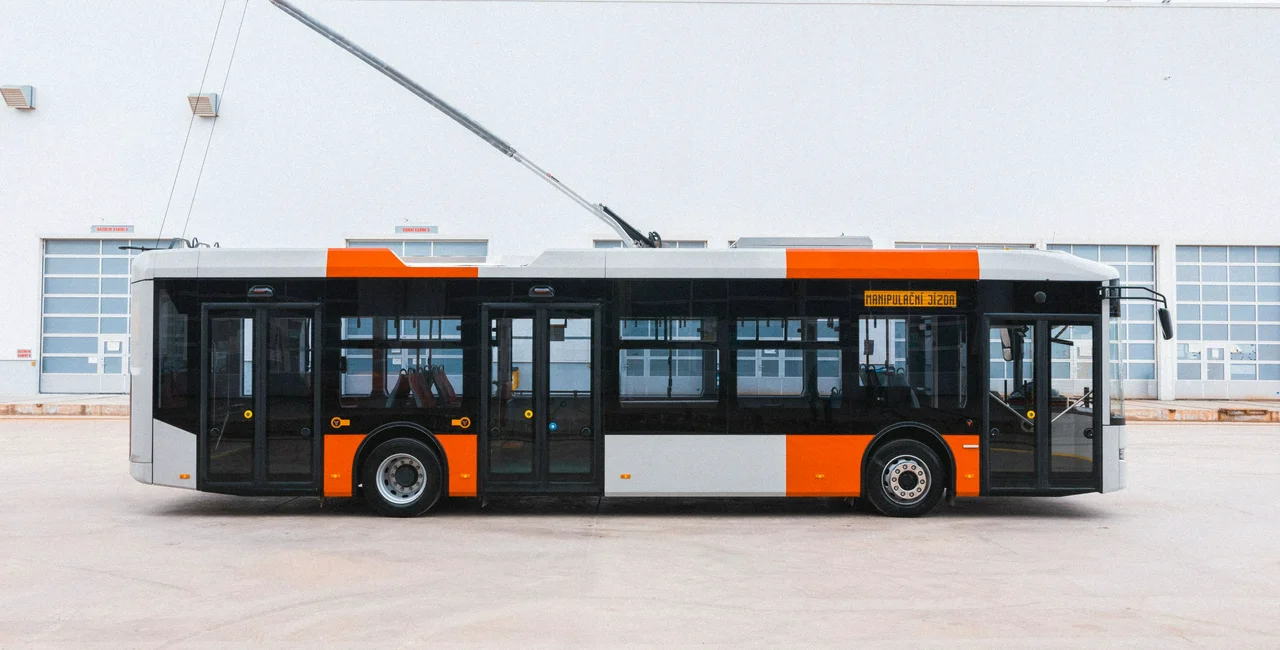

 Summary for: Prague’s new trolleybuses can travel 40 kilometers without overhead wires
Prague’s public transport operator DPP has taken delivery of its first 13 Bozankaya SNG 12T trolleybuses, which are gradually entering passenger service. Their batteries can power journeys of approximately 40 kilometers without overhead wires, according to the manufacturer.
The vehicles combine conventional trolleybus operation with battery power, allowing them to serve unwired sections of routes or continue traveling when overhead infrastructure is unavailable. Bozankaya also says the design provides more passenger space and improved heating and air conditioning.

The deliveries support Prague’s conversion of bus routes to electric operation. DPP confirmed that bus 137 became trolleybus 52 on Sept. 21, serving the route between Na Knížecí, Waltrovka and Jinonice.
Batteries provide flexibility during disruptions
Bozankaya says the vehicles can cover approximately 40 kilometers on battery power under normal operating conditions, including a full passenger load and running air conditioning or heating.
That could allow drivers to follow diversions during roadworks or bypass sections where overhead wires are damaged or power is interrupted. Actual range will depend on operating conditions and the battery’s charge.
The manufacturer reports a range of approximately 60 kilometers in a standardized test cycle. That figure differs from its estimate for everyday passenger service.
DPP’s original procurement announcement specified a guaranteed minimum battery range of 15 kilometers throughout the battery warranty, with a fully loaded vehicle, stops and heating or air conditioning operating. The contractual minimum and the manufacturer’s current range estimate describe different performance measures.

The first vehicles began entering regular service in September. In its Sept. 5 delivery announcement, DPP confirmed acceptance of 11 vehicles from an order of 30, with deployment planned across trolleybus routes 51, 52 and 53. The manufacturer’s newer statement puts September deliveries at 13.
More interior space and cooling for hot days
Much of the main traction equipment is mounted on the roof, reducing the space occupied by technical components inside. According to Bozankaya, this particularly benefits standing passengers and movement through the rear of the vehicle.
The manufacturer says the passenger air-conditioning system is designed to operate at outside temperatures of around 45 degrees Celsius, even with the vehicle fully occupied. Drivers have a separate unit, allowing their cab temperature to be controlled independently.
Additional heaters are intended to maintain comfortable conditions during winter.
Bozankaya says more than 70 percent of the components come from European suppliers. Czech companies supply equipment including parts of the overhead-wire collection system, air conditioning and passenger information technology; batteries come from France and the traction motor from Austria.

For passengers, the rollout brings new vehicles to existing journeys alongside route-number changes. Those who previously used bus 137 should now look for trolleybus 52.