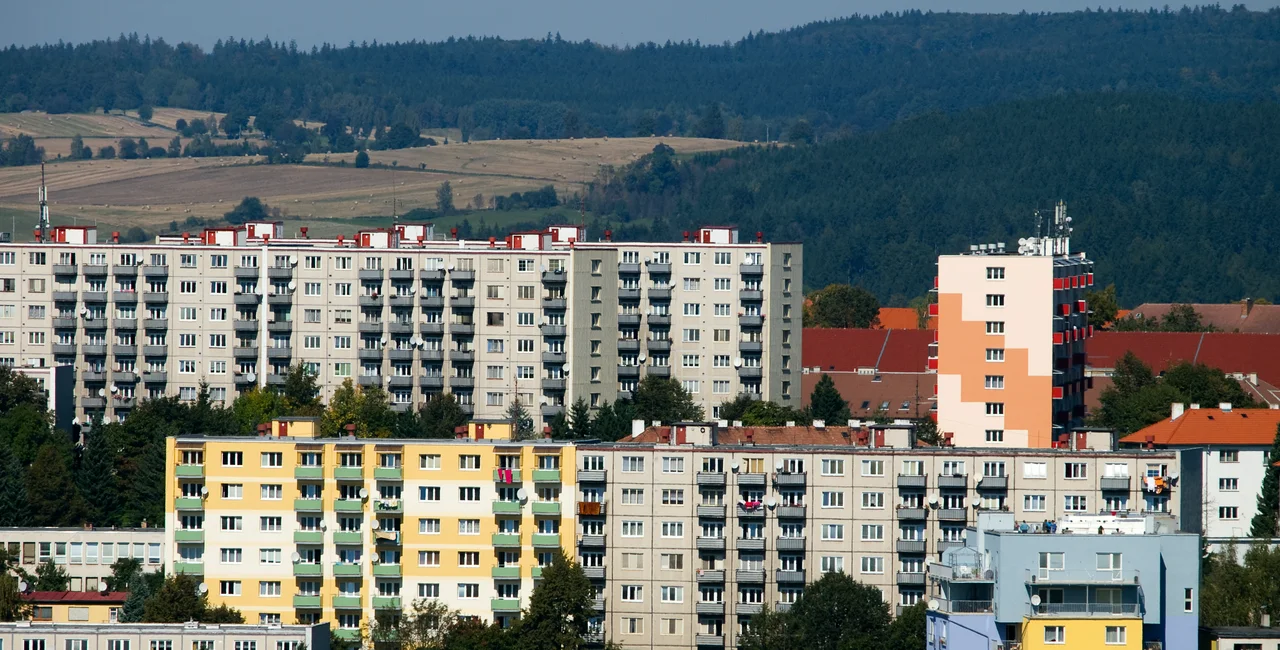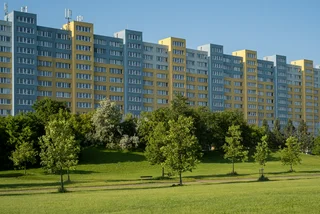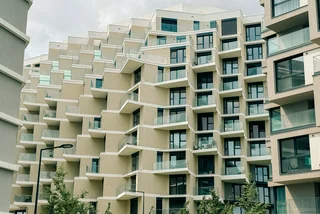
Housing affordability in Czech cities could deteriorate after this month’s municipal elections if incoming coalitions block construction, sell public housing or abandon long-term development strategies, industry and planning experts have warned.
While developers want municipalities to accelerate construction and improve planning procedures, housing advocates say simply increasing private supply will not help households unable to pay market prices.
The competing priorities are prominent in campaigns ahead of the Oct. 9–10 elections, with parties in Prague, Brno, Ostrava and Zlín identifying housing as one of their principal local issues.
Developers fear construction paralysis
The Association of Developers said the worst outcome would be coalitions that broadly support affordable housing but find reasons to reject every individual project.
It also criticized promises to reduce housing costs quickly without increasing the number of available homes.
“We expect the new city governments to make decisions that allow housing to be created on the necessary scale,” association Secretary-General Zdeněk Soudný told Czech News Agency.
Tomáš Hrabal of the Confederation of Industry and Transport warned that mistakes in implementing the new construction administration system could delay development further.
Municipal spatial plans must also provide suitable conditions for growth, he said, because poor planning would hinder not only residential construction but also infrastructure and other projects.
The Czech Chamber of Architects warned against returning to project-by-project decision-making without a long-term strategy. New neighborhoods and major housing developments often take longer than a single four-year electoral term to prepare.
Municipalities should also combine large developments with smaller projects, including extensions and additional floors on existing buildings, chamber representative Petr Leška said.
“Cutting the ribbon on a large apartment building is more photogenic than building the same number of apartments through extensions and rooftop additions,” he said.
Municipal housing remains central to debate
Anna Vinklárková of environmental organization Arnika argued that expanding private construction alone would not resolve the problems facing households unable to afford market-rate housing.
She said voters should assess housing programs as a whole rather than focusing solely on pledges to accelerate development.
Relevant policies include building municipal apartments, renovating vacant units, ending privatization, supporting cooperatives and obtaining affordable homes from private developers. Cities must also consider how they use public land, finance construction and regulate apartments converted to short-term tourist accommodation.
According to Vinklárková, Prague parties including the Pirates and Praha Sobě and Brno groups such as Za Lužánky and Zelené Brno have proposed measures supporting affordable housing. She associated a more market-led approach with parties including ODS and the Motorists, although policies vary between municipalities.
Renata Zdařilová of the Czech Chamber of Authorized Engineers and Technicians added that affordability should not come at the expense of building quality.
“Not only do we need housing that is affordable, but it must also be accessible and user-friendly,” she said.
Experts broadly agreed that the greatest risk after the elections would be policy instability: delayed projects, the disposal of municipal property and frequent changes to planning rules could all deepen shortages while extending the time needed to deliver new homes.