



 Reading time: 2 minutes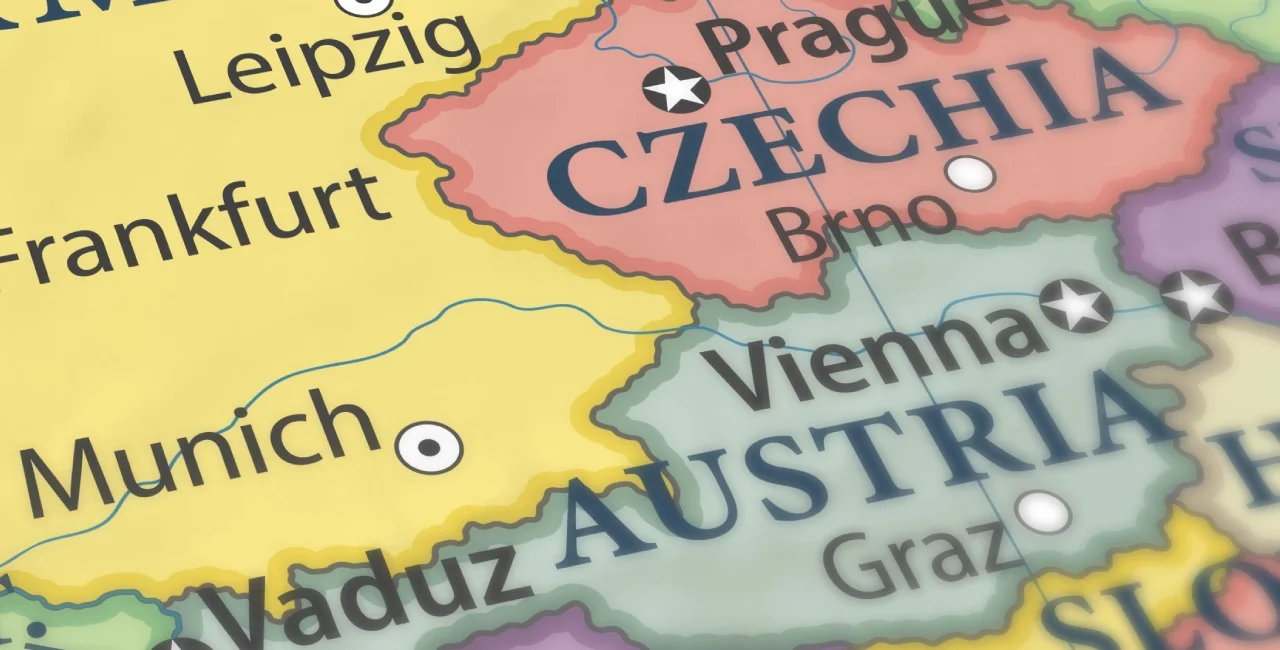

 Summary for: Austria extends border controls with Czechia: What travelers need to know
Austria will extend controls along its border with Czechia for another six months as part of continued efforts to combat illegal migration and human smuggling, Austrian Interior Minister Gerhard Karner announced Tuesday.
The extension also covers Austria's borders with Slovakia, Hungary and Slovenia. Controls on the Czech-Austrian frontier have been in place since October 2023, despite both countries belonging to Europe's normally border-free Schengen Area.
For people traveling between Czechia and Austria, however, the extension does not mean a return to systematic checks of everyone crossing the border. Austria has increasingly moved enforcement away from individual crossings and into the wider border region, with officials saying the approach should minimize disruption for tourists and commuters.
"The goal remains the same: to stop smugglers and criminals, while causing as little disruption as possible to commuters," Karner said.
What travelers between Czechia and Austria should know
Austria reorganized its border security strategy after earlier controls led to concerns about disruption at crossings. Police can now carry out checks across the wider border area rather than concentrating enforcement directly on the frontier.
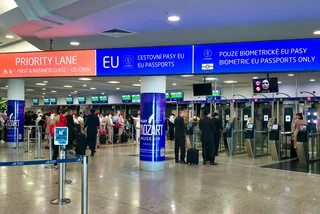
That means travelers can still encounter Austrian police and may be asked to provide identification, but routine journeys by car, bus or train should generally continue without systematic checks at every crossing.
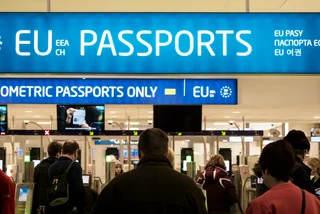
Travelers should nevertheless carry a valid travel document. EU citizens can travel within the Schengen Area using a valid passport or national identity card, while non-EU residents should carry the documents required for their nationality and residence status.

Drivers should also allow some extra time for journeys where possible, as temporary police activity can still cause delays even when permanent checkpoints are not operating.
Czech Interior Minister Lubomír Metnar said after talks with Karner in May that the revised system was no longer causing major disruption for tourists or the many people who regularly commute across the Czech-Austrian border. Austria says it is coordinating the measures with neighboring countries.
Controls introduced during migration surge remain
Austria began introducing temporary internal border controls during Europe's migration crisis in 2015. Checks specifically targeting the border with Czechia were introduced in October 2023.

There had been speculation in Austrian media late last year that the Czech controls could finally be abolished. Instead, Vienna changed its approach, shifting resources from the immediate frontier toward monitoring the broader border regions.
Austria says the more flexible strategy has been effective. In the eastern state of Burgenland, which borders Hungary and Slovakia, police caught only two people illegally crossing the border last week, while the region has recorded no new asylum application since July 9, according to the Austrian Interior Ministry.

The Austrian military will also continue supporting police border operations in Burgenland.
Austria is not alone in maintaining controls within the Schengen Area. Germany currently carries out controls along all of its land borders, including its frontier with Czechia, as European governments continue measures aimed at curbing irregular migration.
For travelers heading south from Czechia, Tuesday's announcement therefore changes little in practical terms: the controls will remain legally in place for another six months, but Austria intends to continue emphasizing mobile policing within the border region rather than checks that routinely stop cross-border traffic.