


 Reading time: 2 minutes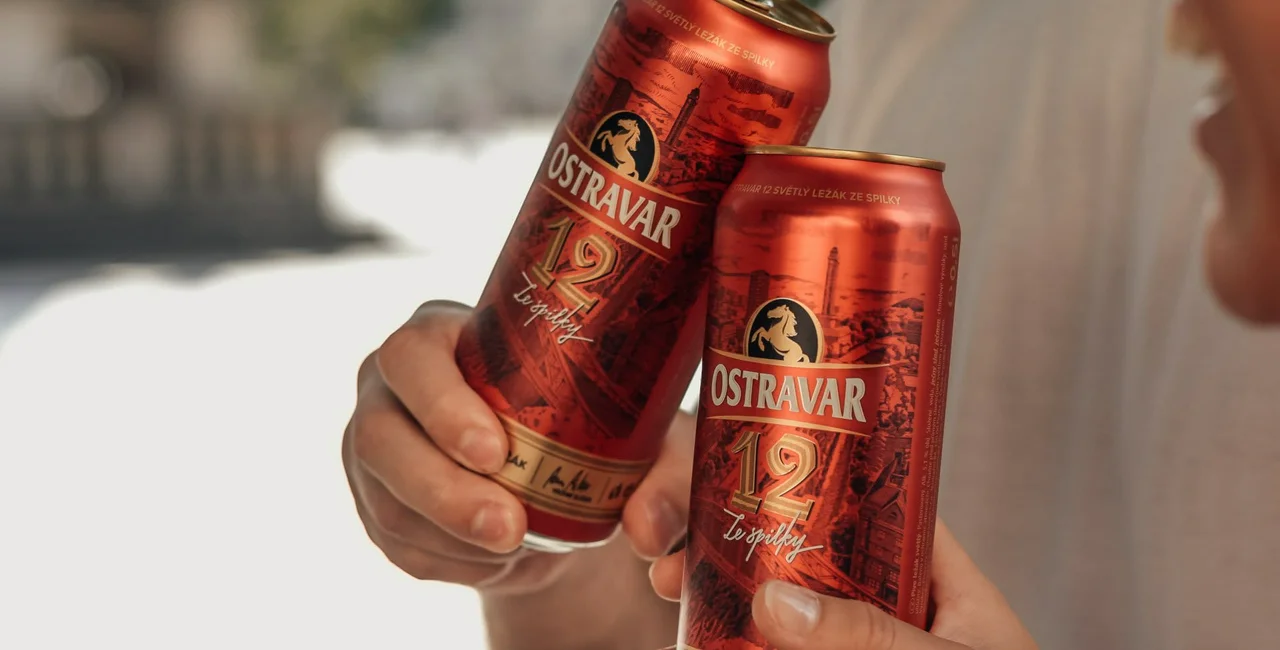

 Summary for: Ostravar Brewery to close down as production moves to Prague in 2027
Ostravar will stop producing beer in Ostrava during 2027, with its key brands moving to Staropramen’s brewery in Prague’s Smíchov district, the company announced Oct. 8.
The phased shutdown will affect approximately 120 employees working directly in beer production. Pivovary Staropramen, which operates Ostravar, attributed the decision to declining beer consumption, rising costs and the need to use its brewing capacity more efficiently.
The move will end production at a brewery founded in 1897 and closely associated with northeastern Czechia. Its beers will remain on sale, while the company says local distribution and customer service will continue.
Production moves, but the brands remain
Company spokeswoman Kateřina Pavlíková told ČTK that brewing would transfer gradually to Smíchov. The Ostrava operation will wind down in several stages to give employees and teams time to prepare.

Pivovary Staropramen’s head for Czechia and Slovakia, Martin Čermák, said the decision followed an extensive review of results and costs.
“Ostravar is much more than just a brewery,” he said, acknowledging its connection to the city, employees and wider community. He described the consolidation as necessary for the business’s long-term sustainability and competitiveness.
The company cited higher costs for packaging, energy and transportation among the pressures behind the move.

Pavlíková said Ostravar’s former head brewer, who helped develop key recipes, would oversee the quality and taste of the beers produced in Prague. That assurance comes from the company; the announcement did not provide a detailed timetable for transferring individual brands.
Ostravar is among Czechia’s 10 largest breweries, according to ČTK. Most of its production is consumed around Ostrava, Karviná, Opava and Nový Jičín. Its parent company belongs to the North American brewing group Molson Coors.

Employees face changes as beer consumption falls
Human resources director Lenka Adamcová said unions and employees had been informed. The company plans individual consultations, assistance finding new jobs and psychological support, alongside provisions in the existing collective agreement.
Its statement also says it will coordinate support with the regional branch of the Czech Labor Office.
The decision comes amid broader changes in Czech drinking habits. According to the Czech Beer and Malt Association, average beer consumption fell to a record low of 121 liters per person in 2025. Nonalcoholic beer remained a growing category, increasing by 4 percent.

For customers, the announced change concerns where the beer is brewed. The company says its commercial team, storage and distribution operations will remain active in the Moravian-Silesian region, maintaining supplies as production shifts to Prague.