



 Reading time: 3 minutes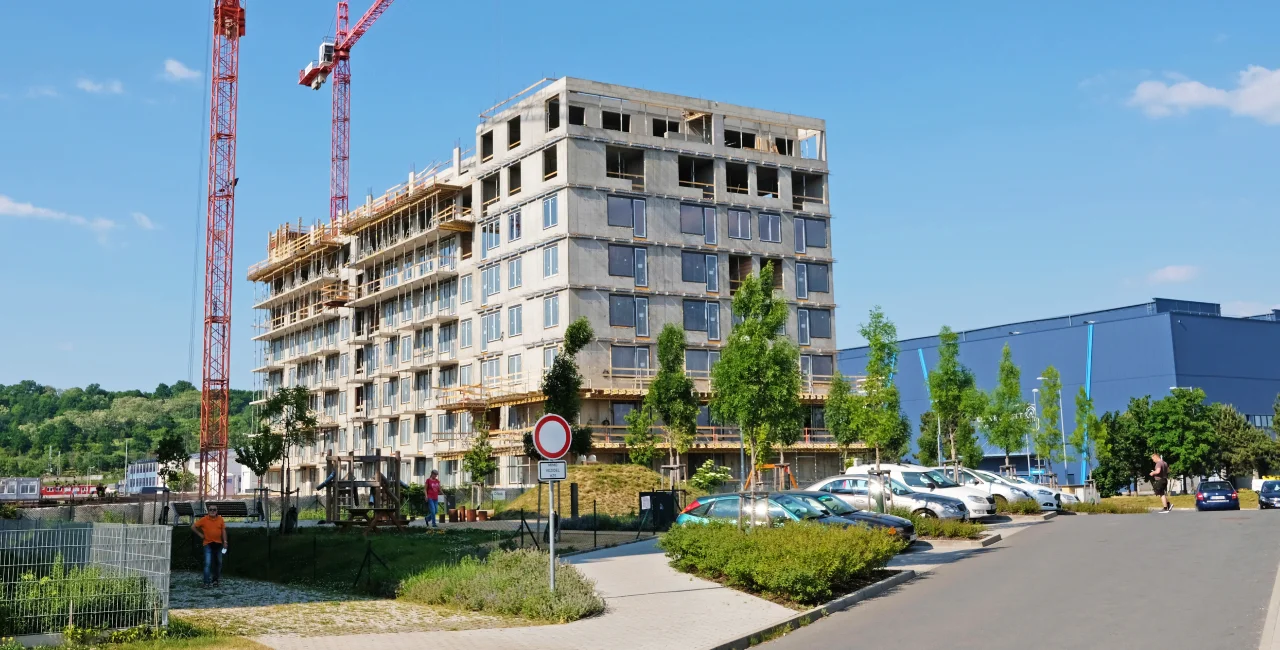

 Summary for: Czech housing crisis a hot topic this election season: Is a solution in sight?
Housing affordability is emerging as one of the defining political issues in Czechia ahead of the October municipal and Senate elections, with opposition parties placing the cost and availability of homes at the center of their campaigns.
For many residents in Prague and other major cities, the debate is not abstract. Rising prices, slow construction, and limited rental availability continue to push housing out of reach for younger households and middle-income families, intensifying pressure on local and national policymakers to act.

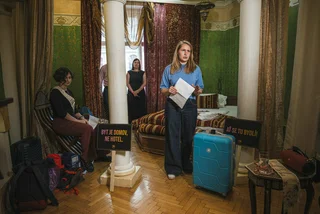
Against this backdrop, the opposition Pirates launched their election campaign under the slogan “Ať to tu žije!” (“Let it live here!”), making housing policy one of their central themes. The party says it wants to address what it calls a long-term crisis driven by bureaucracy, restrictive regulations, and insufficient municipal construction.
Housing takes center stage this campaign season
The Pirates formally presented their campaign in Prague near the Dvorecký Bridge, a project they say reflects their approach to modern urban development. Party leaders said they will now travel across regions to meet voters and present their program, which also includes support for families and modernization alongside housing reform.
Party leader Zdeněk Hřib said the campaign will focus heavily on local issues affecting daily life, particularly housing shortages and rising costs. “We want to show day by day how these problems are being solved, not just talked about,” he said, adding that the party intends to highlight practical solutions rather than abstract promises.
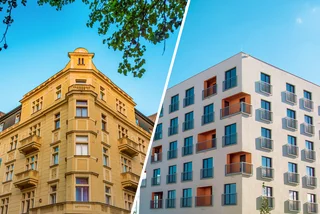
Housing has become a politically sensitive topic across party lines in Czechia, with broad agreement that supply is not keeping pace with demand, particularly in Prague and other large cities. Experts have long pointed to slow permitting processes, high construction costs, and regulatory requirements as key barriers to building new homes.
The Pirates used the campaign launch to present a package of measures aimed at accelerating housing construction. These include simplifying building requirements that increase costs, such as mandatory underground parking spaces, and changing the tax system so municipalities receive CZK 8,000 per square meter of new floor space built.





The party’s broader housing manifesto argues that housing in Czechia has shifted from a basic need to what it calls an unaffordable luxury. It highlights data showing that Czech households often need up to 15 years of average income to buy a flat, one of the highest ratios in Europe, and that property prices are rising significantly faster than wages.
Municipal role and election stakes
The campaign will also test the Pirates’ standing in local politics. In Prague, the party is aiming to expand its representation in municipal government, where housing policy is increasingly shaped at the city level through zoning, development approvals, and municipal housing projects.
Hřib said success would mean increasing the number of local councillors beyond current levels, emphasizing that municipal politics is where many housing decisions are ultimately made.
Beyond Prague, the Pirates are also fielding or supporting candidates in Senate races and forming cross-party cooperation agreements with other democratic parties, underscoring how housing policy has become a shared campaign theme across the political spectrum.
Housing affordability is expected to remain a central issue throughout the election cycle, with analysts noting that rising costs affect not only young voters and renters but also older homeowners concerned about intergenerational inequality and regional disparities.

As parties continue to roll out their platforms, the debate is increasingly focused on how quickly new housing can be delivered, and whether the state and municipalities can meaningfully speed up construction.