




 Reading time: 6 minutes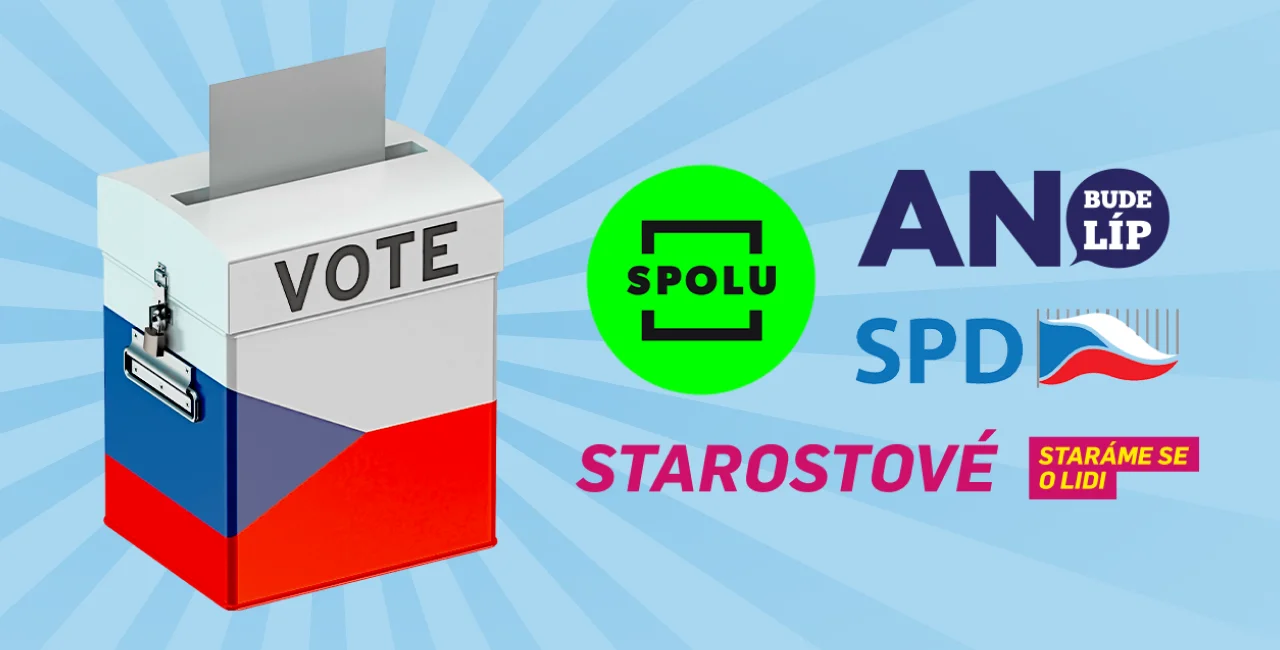

 Summary for: Czech election 2025: Where parties stand on 6 issues that could reshape daily life
Czechs head to the polls Oct. 3–4 in the most consequential election in years. For expats, the outcome could shape daily life in tangible ways. From visas and housing affordability to the cost of groceries and the language your children learn at school, party pledges may affect foreigners as much as locals.
The race is led by Prime Minister Petr Fiala’s center-right Spolu (Together) coalition and former premier Andrej Babiš’s populist ANO movement. Smaller players, including the liberal Mayors and Independents (STAN) and the far-right Freedom and Direct Democracy (SPD), could hold the balance of power in a post-election coalition.
Here’s what the main contenders are promising, how realistic those pledges are, and what they could mean for you.
What the polls say so far
An Ipsos survey released Sept. 29 shows ANO leading with 32 percent of the vote, ahead of Spolu at 21 percent. Both may need coalition partners to reach a majority in the 200-seat Chamber of Deputies. Next are STAN (11 percent) and SPD (10 percent). Spolu has ruled out partnering with ANO or SPD, while ANO has offered no clear coalition stance.

Visas: Who opens doors, who shuts them
The current situation: Residence permits vary in speed and process. Ukrainian refugees benefit from special arrangements, while the current government resists EU asylum rules for Middle Eastern and African migrants.
Party promises
- Spolu: No major visa reform; continue Ukraine aid but slightly scale back; focus on border security and rejecting EU relocation quotas.
- ANO: Opposes mandatory EU migrant quotas; criticizes laws allowing rejection of temporary protection from other EU countries.
- STAN: Introduce start-up visas for foreign entrepreneurs and families; digitize residence permit processes; support long-term integration of Ukrainian refugees.
- SPD: Review residence permits for Ukrainians, allowing only those in jobs locals cannot fill; rejects EU migration pacts.
Reality check: Immigration rules are complex, involving both Czech and EU law, but the government controls visa issuance.
Impact on expats: STAN’s start-up visas could benefit foreign entrepreneurs; SPD and ANO would tighten permits, while Spolu would largely maintain current rules.
Human rights: Progress or rollback?
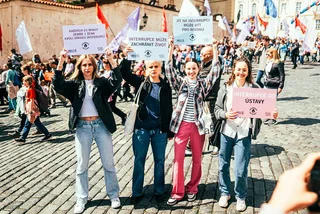
The current situation: Czechia continues to grapple with women’s and LGBTQ+ rights, from workplace equality and protections against violence to marriage and adoption laws. Abortion is allowed up to 12 weeks and in later medical cases, while same-sex couples still face limits on marriage and adoption. The gender pay gap remains high at around 16 percent, and the Istanbul Convention is signed but not ratified.
Party promises
- Spolu: Divided internally; has not committed to ratifying the Istanbul Convention. Supports current abortion law and LGBTQ+ protections but does not propose major reforms on gender equality.
- ANO: Generally supports existing abortion rights, mainstream gender equality, and basic LGBTQ+ protections, but has been cautious on the Istanbul Convention and further gay rights.
- STAN: Strongly favors ratifying the Istanbul Convention, addressing the gender pay gap, expanding protections for women, and advancing LGBTQ+ rights.
- SPD: Opposes the Istanbul Convention, frames abortion as acceptable within current limits, and rejects expansions of women’s or LGBTQ+ rights.
Reality check: Abortion law, pay transparency, LGBTQ+ rights, and treaty ratification are under national control. While EU standards push equality forward, much depends on domestic political will.
Impact for expats: Practical changes could be seen if the Istanbul Convention were ratified (strengthening protections against gender-based violence), pay gaps were reduced, or LGBTQ+ rights were expanded. STAN offers the broadest reforms, while SPD would restrict rights and protections.
Housing: Can prices be tamed?
The current situation: Housing is becoming increasingly unaffordable. In Prague, rents consume about 40 percent of median salary; construction permits take 18+ months, making it almost impossible to meet demand.
Party promises
- Spolu: Infrastructure investment, more subsidies for lower-income families.
- ANO: Support affordable housing; oppose new green taxes.
- STAN: Would boost subsidies and low-interest loans for municipalities; revive cooperative housing.
- SPD: Support low- or zero-interest loans, faster construction, cooperative housing; restrict foreign real estate purchases.
Reality check: Housing reform depends on long-term structural changes—land policy, zoning, permits. Governments can influence via subsidies and incentives but cannot solve the affordability crisis alone.
Impact for expats: SPD and ANO promise direct support for affordability; SPD wants to limit the amount of non-resident foreigners buying up real estate in Czechia, STAN focuses on municipal solutions; Spolu emphasizes broader infrastructure.

Cost of living: Any relief in sight?
The current situation: Inflation and rising energy costs continue to put pressure on household budgets across Czechia. Expenses for electricity, heating, transportation, and housing are climbing, affecting both everyday spending and long-term financial planning for families, renters, and property owners alike.
Party promises
- Spolu: Plans to keep taxes low to support economic growth and maintain household budgets.
- ANO: Wants to lower energy bills by cutting government charges on energy producers, keep taxes stable, and restore larger public transport discounts.
- STAN: Plans to make energy costs more predictable by adjusting how energy companies account for equipment depreciation and delaying price increases.
- SPD: Promises lower energy and food costs, keeping the retirement age at 65, and opposes the EU Green Deal.
Reality check: Governments have limited power over costs, which are driven by global markets and energy supply. Regulatory tools exist but broader relief depends on long-term policy.
Impact for expats: SPD and ANO’s measures could provide short-term relief. STAN’s approach may make future price changes easier to anticipate, helping with budgeting. Spolu’s low-tax focus could support overall income, but won’t directly reduce daily living costs.
Education: What your kids face in the classroom
The current situation: Curriculum content, inclusion, language instruction, teacher pay, and rural school investment remain contested.
Party promises
- Spolu: Civic resilience, critical thinking, media literacy; support AI in education; reform teacher careers; strengthen higher education.
- ANO: Reverse recent reforms; make second foreign language optional; improve teaching in core subjects; raise teacher salaries.
- STAN: Improve financing of rural schools; support digitalization.
- SPD: Teach Czech without “ideological embellishments”; support special schools; oppose tuition fees; reduce use of English words in Czech.
Reality check: Education reform is complex, requiring long-term funding, updated curricula, teacher training, and legal changes. Still, the government has near-complete control over education policy, independent of EU law.
Impact for expats: Spolu and STAN emphasize modernization and digitalization; ANO focuses on teacher pay and language policy; SPD is more restrictive and foreigner-unfriendly.

Defense and EU: What hangs in the balance?
The current situation: Czechia is a NATO member and EU state, contributing to collective defense and supporting Ukraine against Russian aggression. Military spending, EU coordination, and aid to Ukraine are key priorities. Public opinion generally favors continued alignment with NATO and the EU, though debates over defense budgets and military involvement persist.
Party promises
- Spolu: Maintain strong NATO and EU commitments; continue military aid to Ukraine; increase defense spending in line with international obligations.
- ANO: Support Ukraine with equipment exports and financial aid; skeptical of large increases in military spending; emphasizes Czech national interest first.
- STAN: Strongly pro-NATO and EU; expand support for Ukraine; advocate modernization of Czech armed forces.
- SPD: Critical of EU influence; opposes sending lethal aid to Ukraine; emphasizes defense at home rather than foreign commitments.
Reality check: Defense and foreign policy are partially under national control, but NATO and EU commitments set limits. Governments decide on military spending, support for Ukraine, and cybersecurity, which together shape national security, border safety, and daily-life stability.
Impact for expats: Party policies influence Czech security, EU relations, and regional cooperation. Pro-NATO/EU parties (Spolu, STAN) favor continued alignment and preparedness, while SPD may reduce voluntary contributions to foreign missions and EU-led initiatives, which could have indirect effects on regional coordination and defense readiness.
What actually happens will depend on coalition negotiations and the ability of the next government to deliver on these promises.
Which Czech political party best matches your values?
Curious to see which Czech political party most matches your values? Take this quiz and find out. For a further breakdown of issues by parties (in Czech), see here.