Reading time: 2 minutes

 Summary for: Festival of Minorities in Havlíčkův Brod finds common ground in humor
Ukrainian internet memes, a Vietnamese translation of the Czech literary character Švejk and traditional Mongolian music will share a program in Havlíčkův Brod next month, as a local festival explores humor across cultures.
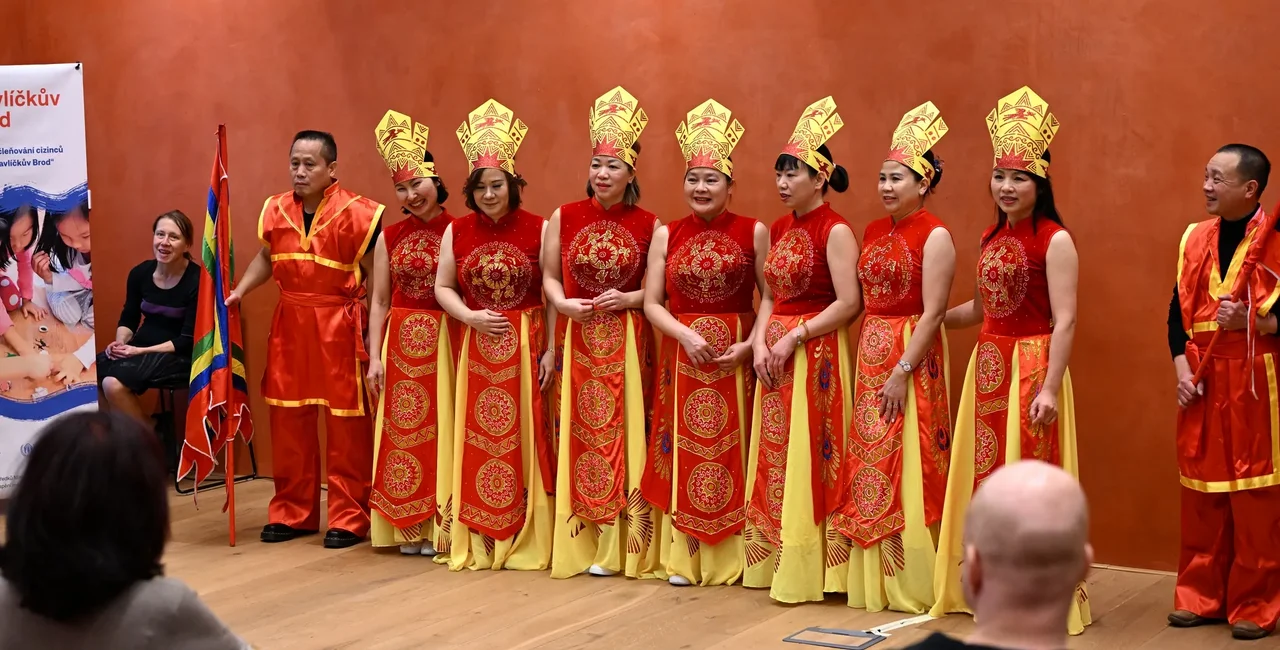
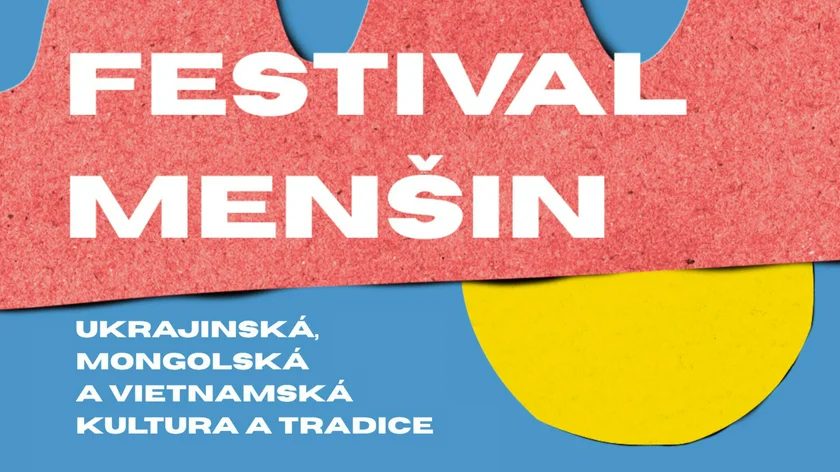
The Vysočina Gallery and Museum is organizing the second Festival of Minorities on Nov. 1, bringing together the region’s Ukrainian, Vietnamese and Mongolian communities. Activities will take place at the Old Town Hall from 10 a.m. to 8 p.m., with free admission.
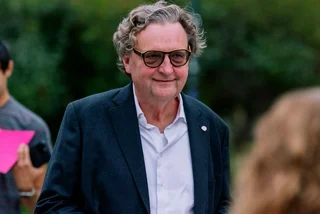
Following last year’s inaugural event, organizers have chosen humor as a connecting thread. Museum and gallery director Alena Jindrová said that jokes offer a way to explore experiences shared across communities.
Internet jokes and a familiar Czech soldier
The theme developed from a proposal by Ukrainian linguist Olga Dolohová, who works in Czechia and approached the museum with an offer to give a lecture about memes.
That prompted organizers to broaden the program to literary humor within the participating communities.
“Everyone makes fun of politicians, for example, across communities,” Jindrová said. “What is human in us is the same.”
The festival will also explore Švejk, the soldier created by Czech writer Jaroslav Hašek, through the translation by Binh Slavická that introduced the character to Vietnamese readers.

The combination brings together two different forms of humor: contemporary jokes circulated online and a literary figure whose encounters with military authority have reached readers beyond Czechia.
Alongside talks, the program will include children’s workshops, an exhibition and a concert by singer and DJ Vi Tranová, who has Vietnamese roots.
A Mongolian yurt, games and throat singing
The region’s Mongolian community will contribute a yurt, games and refreshments. Jindrová described the community as well organized and said the museum’s cooperation with its members had been excellent.
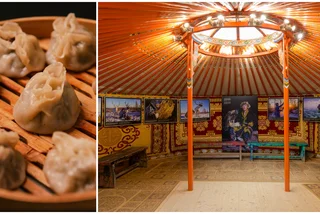
The institution also has a longstanding relationship with musician Badam Bolor, who plays traditional Mongolian instruments and practices throat singing.
According to Jindrová, Mongolian culture remains less visible to the wider Czech public than Ukrainian or Vietnamese culture. She attributed that partly to language barriers and the comparatively private lives of Mongolian families.

The festival offers an opportunity for visitors to encounter these traditions directly, with community members helping shape the activities rather than appearing solely as the subjects of an exhibition.
The participating communities are part of the Vysočina region’s demographic makeup. Czech Statistical Office figures show that more than 21,000 Ukrainians, approximately 1,250 Vietnamese people and over 1,100 Mongolians lived in the region last year, out of a total population of roughly half a million.
For the museum, the second edition continues an effort to bring those communities together in a shared public space—with jokes, stories, music and food providing several ways into the conversation.