 Reading time: 4 minutes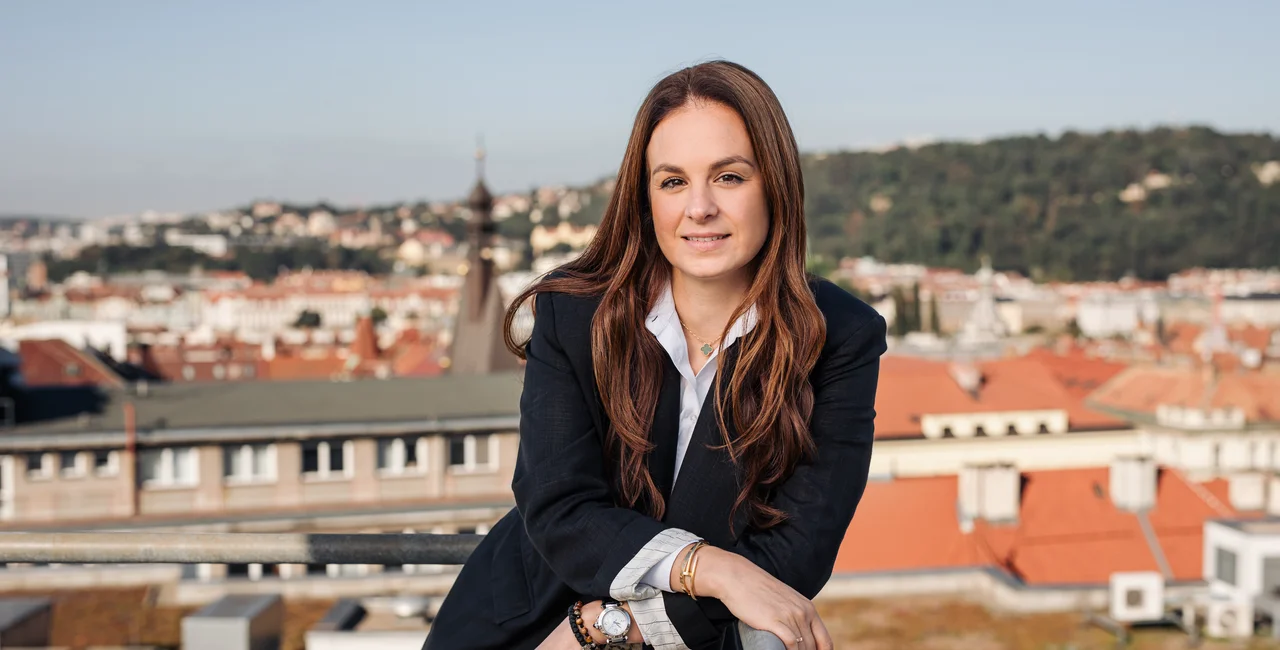

 Summary for: Good leadership in Czechia needs diverse perspectives. This global executive explains why
When everyone thinks alike, what gets missed?
A new colleague might question a routine everyone else takes for granted or suggest an approach they’ve used elsewhere. Those ideas can go unheard if fitting in means keeping quiet.
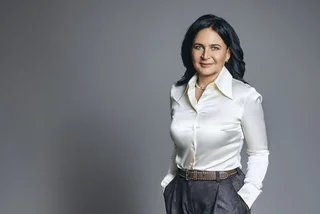
Leaders have a role in making sure people feel confident enough to offer a different view, and Milica Abella, Director of Smoke-Free Products at Philip Morris Czech Republic, knows this from experience.
“Leadership begins with curiosity and listening,” she tells Expats.cz.
Abella has carried that approach across Europe, Asia and Africa, navigating teams with different expectations. “In some cultures, trust is built through patience, consensus, and careful consideration,” she adds. “In others, through direct communication, emotional honesty, or personal relationships.”
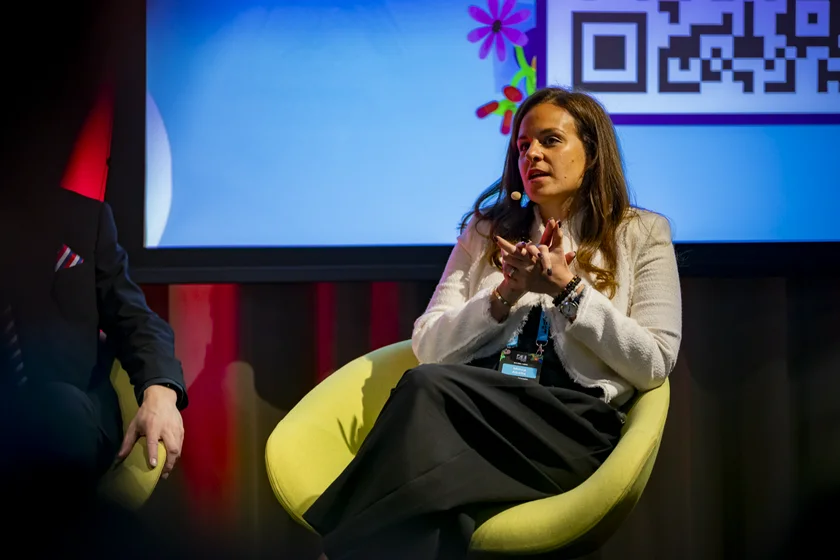
Speaking on the Courageous Leadership panel at this year’s diversity, equity and inclusion (DEI) Forum conference organized by OPIM, Abella explored questions that extend beyond management. Her experience offers lessons for leaders in Czechia about understanding colleagues, making room for different viewpoints, and helping everyone stay true to their values.
Understanding what others see
Foreign nationals account for roughly one in five employees in Czechia, working across industries from manufacturing to technology and finance. Understanding different experiences and workplace expectations is a practical concern for leaders, and Abella knows that successful working relationships require a willingness to consider perspectives that differ from your own.
“The more you understand what people value, what motivates them, and how they make decisions, the more effectively you can support them and help them succeed,” Abella advises.
Raised in the United Kingdom after her family relocated from Serbia, Abella has also had to balance international career moves with raising two children. As they have grown older, she says, helping them adjust has made each relocation more demanding.
“Every move pushes me outside of my comfort zone in different ways,” she admits.
Those experiences, however, have taught her that effective leadership is not about applying a single formula everywhere you go. “While my own values and principles remain constant, the way I communicate, build trust, and engage with teams needs to reflect the local context,” she adds.
Balancing local and global values
Speaking at the DEI Forum Prague 2026, Abella emphasized that contributing to a team does not depend on holding a management title.
“Leadership isn’t about being in a specific position or rank,” she explains. “It comes from the individual taking ownership and being able to listen, hear and inspire people around them.”
At Philip Morris, Abella says, these qualities are valued and encouraged in all employees. The opposite of curiosity is stereotyping and unconscious bias, “making preconceived assumptions about gender roles and about people from a certain country or ethnicity, or people with a certain disability or neurosensitivity.”
In her experience, those assumptions can prevent colleagues from being understood as individuals. Asking questions gives people an opportunity to explain their own priorities and experiences.
Leading while working abroad requires balancing local cultural norms with the global standards of your company. That can mean reconsidering how you put a principle into practice when colleagues approach work differently.
“People across cultures are remarkably good at sensing when a leader is performing versus when they are genuinely present,” she points out. “That is why I have never believed in adopting completely different leadership styles for different markets.”
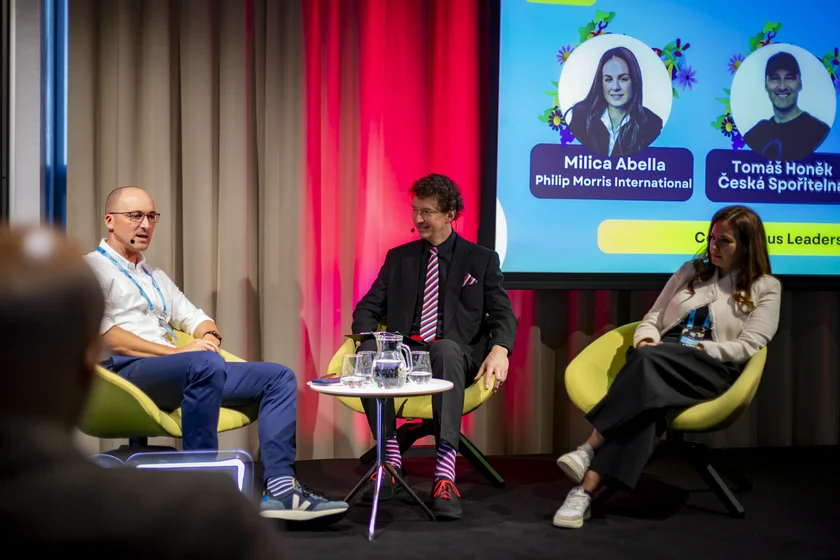
For her, the core has always remained the same: her values, principles, and commitment to fairness, consistency, and respect. “What changes is how those values are expressed,” she elaborates.
In Japan, authentic leadership meant leading with listening, patience, and a deep respect for process and collective thinking. In Serbia, it was expressed through emotional honesty and closer personal relationships. In South Africa, it required empathy, openness to very different realities, and the ability to balance ambition with constraint.
“Here in Czechia, I have found that teams value clarity, pragmatism, and consistency,” Abella adds.
She points out a healthy Czech attitude toward work-life balance, feeling that performance and personal well-being are not opposing forces.
“People are deeply committed to delivering high-quality work, while also recognizing the importance of family, personal interests, and time to recharge,” she says, noting a particular emphasis on spending time outdoors in nature.
“Working across different countries, and particularly balancing leadership responsibilities with raising two children, has reinforced my belief that sustainable success is built on trust, not constant intensity.”
At the same time, Abella feels that global organizations need a shared direction, clear principles, and common standards, because they provide the ambition, the guardrails, and the non-negotiables. She adds that humility and being genuine help build trust and respect.
Making room for people to speak openly
Understanding different viewpoints depends on people feeling able to share them, and people need to feel able to share different viewpoints, including with someone more senior. For Abella, encouraging that openness starts with being willing to speak openly herself, an approach that is most directly connected with courageous leadership.
She points out that staying “true to my values and what’s important to me” and “doing so vocally” has, in turn, encouraged the same openness from her colleagues. It helps create a culture of mutual trust, in which team members at Philip Morris are empowered professionally and personally, including when setting boundaries for work-life balance.
“It’s about showing up for people rather than having all the answers,” she emphasizes.
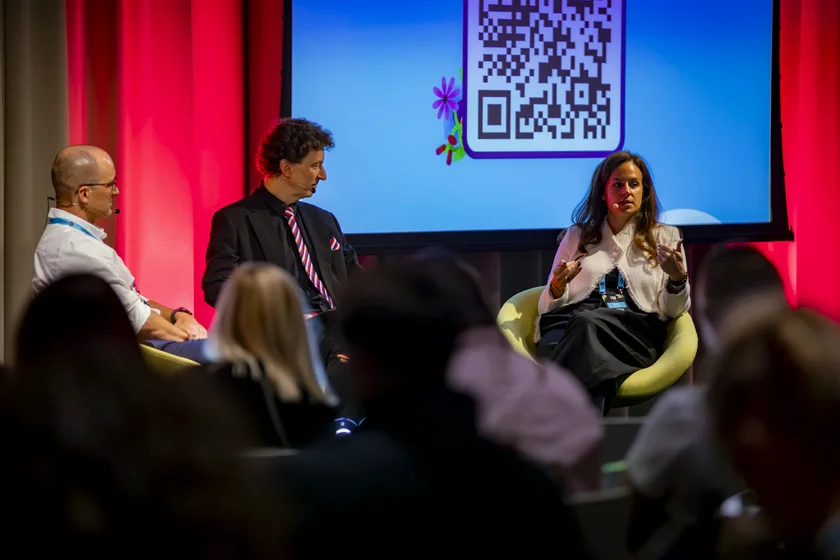
For colleagues at any career level, contributing a different perspective also requires confidence in their own values and experience. As Abella puts it:
“You don’t need to become a different person to succeed in a new environment. What matters is having clarity about who you are, what you stand for, and then adapting your approach while remaining true to those principles.”