The number of drivers from outside the European Union obtaining Czech truck or bus licenses has fallen sharply, even as transport companies struggle to recruit enough workers.
Some 1,700 non-EU drivers obtained the relevant Czech licenses in 2025, down from 2,800 in 2021, a decline of 37 percent according to Transport Ministry figures.
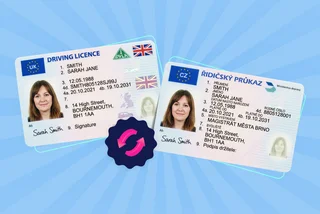
The ministry is examining changes to how foreign licenses are recognized. No legislative changes have been decided, but one option would place greater emphasis on testing drivers’ skills rather than requiring them to complete the full Czech licensing process.
Licensing figures fall as employers seek workers
The decline covers both exchanges of foreign licenses for Czech documents and newly granted driving entitlements. Truck drivers account for most of the decrease.
However, the ministry cautioned that the statistics alone do not explain why numbers have fallen. Among the drivers recorded, the proportion holding the required professional competence qualification has increased.
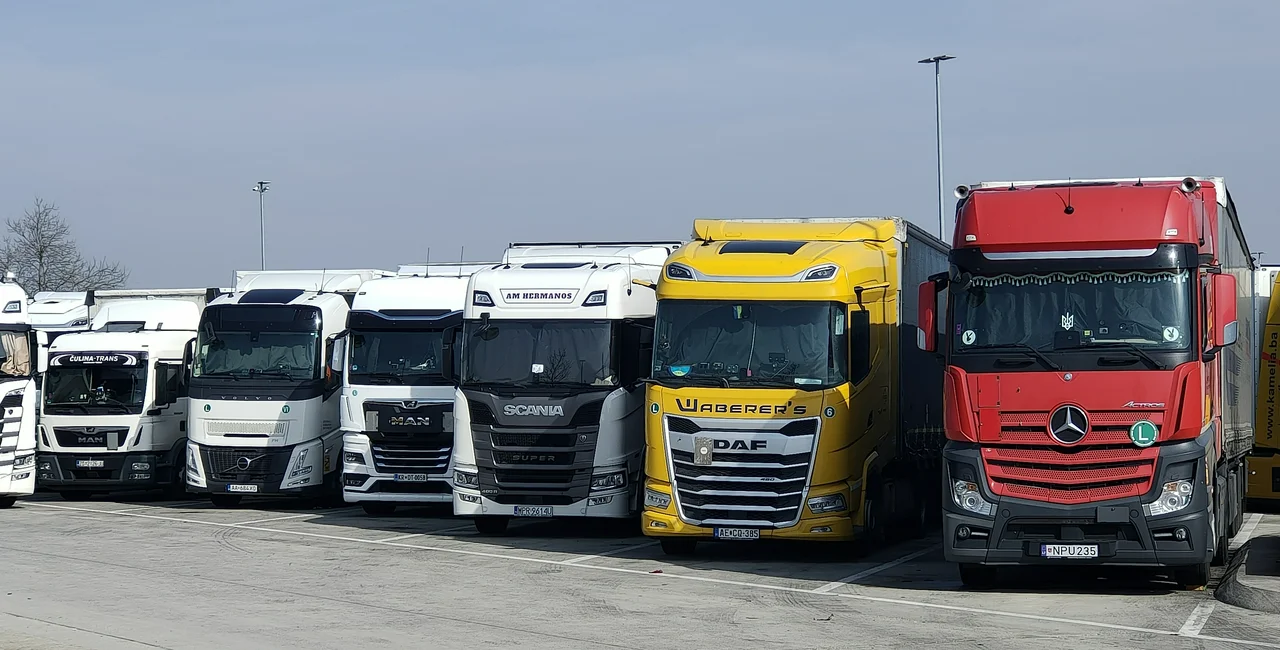
Czechia is short of approximately 25,000 professional drivers, according to the latest estimates cited by road transport association Česmad. Around 20,000 are needed in freight transport and another 5,000 in bus services.
The existing workforce is also aging. Česmad spokesperson Martin Felix said the average professional truck driver is about 47, while the average bus driver is around 50. Women account for 2.9 percent of truck drivers and 7.5 percent of bus drivers.
The Transport Ministry said the shortage extends across Europe and cannot be addressed through licensing numbers alone. The ministry has also supported higher recruitment quotas under specialized programs for workers from selected non-EU countries.
Ministry considers greater emphasis on practical knowledge
For non-EU professionals, recognition of a driving license and proof of professional competence are separate requirements. A qualification obtained in a driver’s home country may not, by itself, satisfy Czech requirements.
The ministry is reviewing whether some applicants could demonstrate their knowledge and skills through an examination instead of repeating the entire process of obtaining a Czech license.
The proposal concerns drivers whose foreign licenses do not meet the relevant international convention standards. A 2024 amendment already opened an examination-based route for some applicants whose national license does not meet those standards but whose international driving permit does.
The ministry has not announced a timetable for a decision. For transport companies, the review comes as a substantial staffing gap persists; for prospective recruits, the existing recognition and professional qualification requirements remain in place.