 Reading time: 2 minutes

 Summary for: Czechia open to Russian asset talks, but Schillerová seeks legal safeguards
Czechia is willing to discuss using frozen Russian assets in Europe to support Ukraine, but legal safeguards remain essential, Finance Minister Alena Schillerová said after talks in Luxembourg on Oct. 9.
Her comments came as Sweden, Poland, the Netherlands and Spain renewed calls for the European Union to examine how the assets could help finance Ukraine. Belgium, where most of the funds are held, has maintained its objections to releasing them.
Schillerová’s remarks signal openness to further negotiations rather than Czech endorsement of a specific financing plan.
Legal risks remain central to the debate
“It is complicated. I understand Belgium’s position, as it bears a large share of the responsibility,” Schillerová told Czech reporters.
She said Czechia had joined every package of sanctions against Russia, while raising concerns about potential consequences for people persecuted by the Russian government who live abroad.
Her comments about individuals were broader than the central financing proposal, which concerns frozen assets belonging to Russia’s central bank.
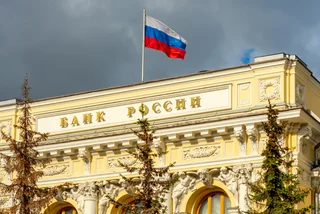
That proposed “reparations loan” would draw on more than EUR 200 billion, approximately CZK 4.83 trillion, in Russian central bank assets immobilized in Europe under EU sanctions.

The plan failed to win agreement at last December’s EU summit after Belgium declined to support it. Belgian officials feared legal and financial consequences if Russia successfully challenged the arrangement in court.
The renewed initiative puts the question back before EU partners, but Belgium’s unchanged position remains an obstacle.
Ukraine aid is already funded through a separate loan
After the asset-backed proposal stalled, EU leaders agreed to raise money on financial markets for a EUR 90 billion loan to Ukraine, equivalent to approximately CZK 2.2 trillion.
The December 2025 agreement provides financing for 2026 and 2027 through EU borrowing backed by the bloc’s budget. It also protects Czechia, Hungary and Slovakia from financial obligations arising from the arrangement.
The EU Council finalized the loan framework in April. Funding supports Ukraine’s urgent budgetary and defense needs and is conditional on requirements including respect for the rule of law and measures against corruption.
The existing loan and the renewed frozen-assets debate are separate financing questions. Schillerová’s statement does not announce a change to Czechia’s exemption from the agreed loan or approval to release Russian assets.